Shani Deva, the planet Saturn, is often regarded with apprehension in Hindu astrology. Known as the slowest moving planet, Shani's transit through zodiac signs can bring about significant life changes, and its influence, particularly during periods like Sade Sati (a 7.5-year transit) or Shani Mahadasha, is believed to bring challenges and misfortune. However, this fear is often balanced by the understanding that Shani is also the planet of justice, discipline, and karma, rewarding sincerity and hard work. To navigate these influential periods and seek protection from adverse effects, devotees turn to powerful prayers, among which the Dashrath Krit Shani Stotra holds a special significance.
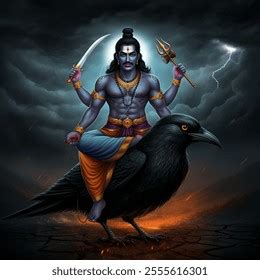
Understanding Shani Deva and the Fear He Inspires
In Hindu astrology, Shani Deva is part of the Navagraha, the nine celestial bodies that influence human lives. The name "Shani" itself is derived from "Sanaischara," meaning "slow mover," a characteristic that astrologically aligns with Saturn's deliberate pace across the zodiac. This slow movement means Saturn spends approximately 2.5 years in each sign, leading to the 7.5-year Sade Sati period, which encompasses the current zodiac sign, the one before it, and the one after it.
The fear surrounding Shani Deva stems from the belief that he is the "Karmaphal Data," the dispenser of justice who metes out consequences based on one's past actions. When an individual is under the influence of a strong or afflicted Shani in their horoscope, or during Shani Dasha, they are believed to face difficulties, miseries, and hardships. This has led many to perceive Shani as a malefic planet, bringing misfortune and bad luck.
The Efficacy of Shani Stotras
Despite the fear, Shani Stotras are considered highly efficacious prayers. Chanting these verses with devotion is believed to help in minimizing the adverse effects of past deeds and mitigating the challenges posed by Shani's transit. These stotras are seen as pathways to gain wisdom, patience, and a deeper understanding of justice. Their vibrational frequency is thought to resonate with the energy of Lord Shani, fostering a connection that can bring about positive change.
Introduction to Dashrath Krit Shani Stotra
The Dashrath Krit Shani Stotra, which translates to "Shani Stotra composed by Dasharatha," is a revered prayer attributed to King Dasharatha, the father of Lord Rama in the epic Ramayana. According to legend, King Dasharatha composed this stotra to appease Lord Shani and seek protection from his malefic influences. The stotra is particularly invoked during challenging astrological periods like Sade Sati and Shani Mahadasha.
The core belief behind reciting this stotra is its power to alleviate the difficulties brought about by Saturn's astrological position. Devotees who chant it regularly report experiencing a reduction in adverse effects, improved mental and physical well-being, increased prosperity, and enhanced spiritual growth. It is seen as a way to balance karmic energies and find inner peace.
The Genesis of the Dashrath Krit Shani Stotra
The narrative behind the composition of this stotra is deeply rooted in ancient Indian mythology. It is said that Lord Shani was expected to transit through the Rohini Nakshatra (a lunar mansion). This transit was prophesied to cause a severe drought and famine lasting for twelve years across King Dasharatha's kingdom. Fearing this catastrophic event and the immense suffering it would bring to his people, King Dasharatha, a righteous ruler, decided to confront Lord Shani.
Instead of engaging in a battle, King Dasharatha approached Lord Shani with reverence and humility. He appealed to Shani not to cause such devastation to his land. Pleased by Dasharatha's courage, devotion, and his concern for his subjects, Lord Shani granted him a boon. Dasharatha's primary request was that Shani should never transgress the Rohini constellation and cause harm to his kingdom. Lord Shani, acknowledging Dasharatha's plea and his righteousness, agreed to this eternal boon. The Dashrath Krit Shani Stotra is essentially the prayer King Dasharatha offered to Shani Deva during this critical juncture.
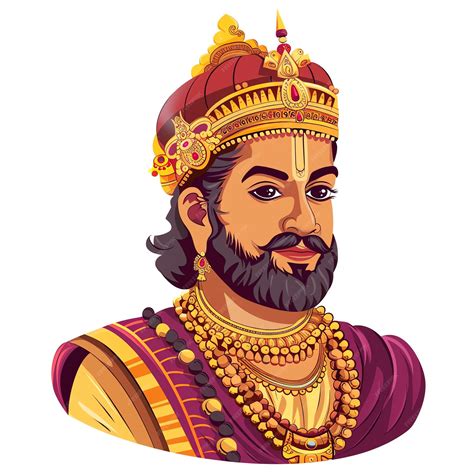
Lord Shani: The Son of the Sun and Dispenser of Justice
Lord Shani is often referred to as "Suryaputra," the son of Lord Surya, the Sun God. This lineage connects him to the celestial realm and highlights his divine nature. Despite the fear he instills, Shani is also revered as the "Nyay Devta" (God of Justice) and the "Karmaphal Data." His slow movement is seen as a reflection of his meticulous observation of human actions, ensuring that justice is served, albeit sometimes with a delay.
Shani is also believed to be an incarnation of Lord Vishnu, the preserver and protector of the universe. This association underscores his role in maintaining cosmic order and balance. His influence, while potentially challenging, is ultimately seen as a force that guides individuals towards self-improvement and spiritual evolution through the lessons learned from adversity.
The Dashrath Krit Shani Stotra: Lyrics and Meaning
The Dashrath Krit Shani Stotra is a powerful hymn that describes the attributes of Lord Shani and implores his mercy. The stotra is presented with a verse-by-verse explanation to facilitate understanding and devotion.
|| श्री दशरथकृत शनि स्तोत्र ||
Dashrath Uvach:प्रसन्नो यदि मे सौरे! एकश्चास्तु वरः परः।रोहिणीं भेदयित्वा तु न गन्तव्यं कदाचन् ।सरितः सागरा यावद् यावच्चन्द्रार्कमेदिनी ॥
- Prasanno Yadi Me Saure: If you are pleased with me, O Saturn
- Ekaścaastu Varaḥ Paraḥ: Let there be only one supreme boon
- Rohinīm Bhedayitvā Tu: Do not transgress the Rohini constellation
- Na Gantavyaṃ Kadācan: Never, at any time
- Saritah Sāgarā: While rivers and oceans exist
- Yāvad Yāvad Chandrārka-Medinī: As long as the moon and sun grace the earth
Translation:“If you are pleased with me, O Saturn, grant me a supreme boon. Never again transgress the Rohini Nakshatra, as long as rivers and oceans flow, and the moon and sun grace the earth.”
याचितं तु महासौरे! नऽन्यमिच्छाम्यहं।एवमस्तु शनिप्रोक्तं वरलब्ध्वा तु शाश्वतम् ॥
- Yāchitaṃ Tu Mahāsaure: This is my only request, O mighty Saturn
- Na’nyam Icchāmyahaṃ: I do not desire anything else
- Evam Astu Śaniproktaṃ: Shani replied, “So be it”
- Vara Labdhvā Tu Śāśvatam: Thus, the eternal boon was granted
Translation:“O mighty Saturn, this is my only request; I seek nothing more. Shani replied, ‘So be it,’ and granted this eternal boon.”
Verse 1नमः कृष्णाय नीलाय शितिकण्ठ-निभाय च।नमः कालाग्निरूपाय कृतान्ताय च वै नमः ॥
- Namah Kṛṣṇāya: Salutations to the dark-complexioned one
- Nīlāya: The one with a blue hue
- Śitikaṇṭha-Nibhāya Ca: Resembling Lord Shiva (whose throat is blue)
- Namah Kālāgnirūpāya: To the one with the form of the destructive fire (Kala Agni)
- Kṛtāntāya Ca Vai Namah: Salutations to the one who brings an end to life (Kritanta)
Translation:“Salutations to the dark-complexioned, blue-hued one, resembling Lord Shiva. Salutations to the one embodying the destructive fire, the ender of life.”
Verse 2नमो निर्मांस देहाय दीर्घश्मश्रुजटाय च।नमो विशालनेत्राय शुष्कोदर भयाकृते ॥
- Namo Nirmāṃsa-Dehāya: Salutations to the fleshless one (emaciated form)
- Dīrgha-Śmaśru-Jatāya Ca: With long beard and matted hair
- Namo Viśāla-Netrāya: To the one with large eyes
- Śuṣkōdara Bhayākṛte: Creating fear with a hollow stomach
Translation:“Salutations to the fleshless one with long beard and matted hair. Salutations to the large-eyed one who instills fear with his hollow stomach.”
Verse 3नमः पुष्कलगात्राय स्थूलरोम्णेऽथ वै नमः।नमो दीर्घाय शुष्काय कालदंष्ट्र नमोऽस्तु ते ॥
- Namah Puṣkala-Gātrāya: Salutations to the one with a huge body
- Sthūla-Romṇe-Atha Vai Namah: With thick body hair
- Namo Dīrghāya Śuṣkāya: To the tall and dried-out one
- Kāladamṣṭra Namo’Astu Te: With terrifying teeth, salutations to you
Translation:“Salutations to the one with a huge body, thick body hair, and terrifying teeth.”
Verse 4नमस्ते कोटराक्षाय दुर्नरीक्ष्याय वै नमः।नमो घोराय रौद्राय भीषणाय कपालिने ॥
- Namaste Koṭarākṣāya: Salutations to the hollow-eyed one (sunken eyes)
- Durnarīkṣyāya Vai Namah: Difficult to behold (intimidating gaze)
- Namo Ghorāya Raudrāya: To the fierce and terrible one
- Bhīṣaṇāya Kapāline: To the skull-bearer (symbolizing destruction)
Translation:“Salutations to the hollow-eyed, fierce, and terrible one who bears a skull.”
Verse 5नमस्ते सर्वभक्षाय बलीमुख नमोऽस्तु ते।सूर्यपुत्र नमस्तेऽस्तु भास्करेऽभयदाय च ॥
- Namaste Sarvabhakṣāya: Salutations to the devourer of all (implying time or destiny)
- Balīmukha Namo’Astu Te: To the formidable one
- Sūryaputra Namaste’Astu: Salutations to the son of the Sun
- Bhāskare’Abhayadāya Ca: The fear-remover and light-giver
Translation:“Salutations to the devourer of all, the formidable one. Salutations to the son of the Sun, the remover of fear and bringer of light.”
Verse 6अधोदृष्टे: नमस्तेऽस्तु संवर्तक नमोऽस्तु ते।नमो मन्दगते तुभ्यं निस्त्रिंशाय नमोऽस्तुते ॥
- Adho-Dṛṣṭe: To the one with a downward gaze (implying scrutiny)
- Samvartaka Namo’Astu Te: Salutations to the calamity-bringer (one who causes dissolution)
- Namo Mandagate Tubhyaṃ: Salutations to the slow-moving one
- Nistriṃśāya Namo’Astu Te: To the sword-bearer (symbolizing power and judgment), salutations to you
Translation:“Salutations to the one with a downward gaze, the bringer of calamities, the slow-moving one, and the bearer of the sword.”
Verse 7तपसा दग्ध-देहाय नित्यं योगरताय च।नमो नित्यं क्षुधार्ताय अतृप्ताय च वै नमः ॥
- Tapasā Dagdha-Dehāya: Salutations to the one with a body scorched by penance (implying austerity and self-control)
- Nityaṃ Yoga-Ratāya Ca: Ever engaged in meditation and spiritual practice
- Namo Nityaṃ Kṣudhārtāya: Salutations to the eternally hungry (representing a constant pursuit or dissatisfaction)
- Atṛptāya Ca Vai Namah: And the unsatisfied one (implying a relentless nature)
Translation:“Salutations to the one whose body is scorched by penance, always engaged in meditation, eternally hungry, and unsatisfied.”
Verse 8ज्ञानचक्षुर्नमस्तेऽस्तु कश्यपात्मज-सूनवे।तुष्टो ददासि वै राज्यं रुष्टो हरसि तत्क्षणात् ॥
- Jñāna-Cakṣuḥ Namaste’Astu: Salutations to the one whose eyes are filled with wisdom (seeing beyond the material)
- Kaśyapātmaja-Sūnave: To the son of Kashyapa (referring to his lineage)
- Tuṣṭo Dadāsi Vai Rājyaṃ: When pleased, you grant kingdoms
- Ruṣṭo Harasi Tat-Kṣaṇāt: When angry, you take them away instantly
Translation:“Salutations to the one whose eyes are filled with wisdom, the son of Kashyapa. When pleased, you grant kingdoms; when angry, you instantly take them away.”
Verse 9देवासुरमनुष्याश्च सिद्ध-विद्याधरोरगा:।त्वया विलोकिता: सर्वे नाशं यान्ति समूलत: ॥
- Devāsura-Manuṣyāś-Ca: Gods, demons, and humans
- Siddha-Vidyādharo-Ragāḥ: Siddhas (accomplished beings), Vidyadharas (celestial musicians), and Nagas (serpentine beings)
- Tvayā Vilokitāḥ Sarve: All, when seen by you (under your gaze)
- Nāśaṃ Yānti Samūlataḥ: Are destroyed completely (or their fate is sealed)
Translation:“Gods, demons, humans, Siddhas, Vidyadharas, and Nagas-all perish entirely when you cast your gaze upon them.”
Verse 10प्रसाद कुरु मे सौरे! वारदो भव भास्करे।एवं स्तुतस्तदा सौरिर्ग्रहराजो महाबल: ॥
- Prasāda Kuru Me Saure: Bestow your grace upon me, O Saturn
- Vārado Bhava Bhāskare: Become my benefactor, O son of the Sun
- Evaṃ Stutastadā Sauriḥ: Thus praised, O Saturn
- Grah-Rājō Mahābalah: The mighty king of planets
Translation:“Bestow your grace upon me, O Saturn, and become my benefactor, O son of the Sun. Thus praised, Saturn, the mighty king of planets, grants blessings.”
Closing Verse (Dashrath Uvach):प्रसन्नो यदि मे सौरे! वरं देहि ममेप्सितम्।अद्य प्रभृति-पिंगाक्ष! पीडा देया न कस्यचित् ॥
- Prasanno Yadi Me Saure: If you are pleased with me, O Saturn
- Varaṃ Dehi Mamepsitam: Grant me my desired boon
- Adya Prabhṛti-Pingākṣa: From now on, O tawny-eyed one
- Pīḍā Deya Na Kasyacit: Do not cause suffering to anyone
Translation:“If you are pleased with me, O Saturn, grant me my desired boon. From now on, O tawny-eyed one, do not cause suffering to anyone.”
Story Of Shani Dev - The Seventh Planet in Navagraha
Significance and Benefits of Chanting
The Dashrath Krit Shani Stotra is traditionally recited to mitigate the malefic effects of Shani (Saturn). Its recitation is believed to:
- Protection from Negative Influences: Reduce the adverse effects associated with Saturn, especially during challenging transits like Sade Sati and Shani Mahadasha.
- Improved Mental and Physical Well-being: Devotees often report experiencing a sense of peace, mental clarity, and physical strength after chanting.
- Increased Prosperity: The stotra is said to invoke Shani's blessings, leading to success, abundance, and prosperity in one's life.
- Spiritual Growth and Inner Peace: The prayer aids in balancing karmic energies, fostering spiritual growth, and cultivating inner peace through acceptance and understanding.
- Wisdom, Patience, and Justice: It is seen as a direct path to acquiring these virtues, which are closely associated with Saturn's domain.
Reciting the Stotra: Tips for Devotees
To maximize the benefits of chanting the Dashrath Krit Shani Stotra, certain practices are recommended:
- Ideal Time: Saturday mornings are considered most auspicious for reciting Shani mantras and stotras, as Saturday is dedicated to Lord Shani.
- Devotional Focus: Chant with sincere devotion, a calm mind, and visualize Lord Shani bestowing his blessings. The intent behind the prayer is crucial.
- Offerings: Common offerings include lighting a lamp (diya) with sesame oil, offering black or blue flowers (which are favored by Lord Shani), and donating black gram, iron, or sesame seeds to the needy.
- Purity: Maintaining personal purity through bathing and wearing clean clothes before chanting is considered important.
- Location: While it can be chanted anywhere, performing the ritual near a Peepal tree or at a Shani temple is often considered more potent.
Related Mantras and Practices
For those seeking a deeper connection with the energies of Saturn and divine protection, exploring related spiritual practices can be beneficial:
- Shani Chalisa: A forty-verse devotional hymn dedicated to Lord Shani, offering praise and seeking his grace.
- Shani Mool Mantra Jaap: Chanting the root mantra of Shani, such as "Om Pram Preem Proum Sah Shanaye Namah," is a powerful way to connect with his energy.
- Gayatri Mantra: For general spiritual upliftment and peace.
- Maha Mrityunjaya Mantra: For protection, healing, and overcoming fears.
- Lakshmi Ashtakam: For blessings of abundance and prosperity, as Shani's influence can also lead to material gains when aligned positively.
The Dashrath Krit Shani Stotra, with its rich historical context and profound spiritual significance, offers a pathway for devotees to navigate the complexities of Saturn's influence with faith, courage, and a desire for spiritual growth. By understanding the essence of the stotra and practicing its recitation with devotion, individuals can seek the benevolent grace of Lord Shani and transform challenges into opportunities for wisdom and well-being.