Collagen peptides have emerged as a popular supplement, lauded for their potential to enhance skin elasticity, support joint health, and contribute to overall well-being. As their use becomes more widespread, a digestive concern has surfaced: can collagen peptides lead to constipation? While not a universal side effect, some individuals do report experiencing digestive discomfort, including constipation, bloating, and gas, particularly when consuming high doses or neglecting adequate hydration. This article delves into the reasons behind these digestive changes and offers practical strategies to mitigate and prevent such issues, ensuring a smoother experience with this widely used supplement.
Understanding Collagen Peptides: From Structure to Supplement
Collagen, the most abundant protein in the human body, is a fundamental structural component of skin, bones, tendons, cartilage, and connective tissues. It provides strength and resilience to these various parts of the body. Collagen peptides, also known as hydrolyzed collagen, are derived from collagen through a process called hydrolysis. This enzymatic breakdown transforms large collagen molecules into smaller, more easily digestible fragments. This significantly enhances their bioavailability, meaning the body can absorb and utilize them more effectively.
These peptides are typically sourced from animal origins, including bovine (cow), marine (fish), porcine (pig), and chicken. The resulting peptides are essentially chains of amino acids, which are the building blocks of proteins. Their improved absorption makes collagen peptides a sought-after supplement for individuals aiming to improve skin health, enhance joint flexibility, and support muscle recovery.

The Link Between Collagen and Constipation: Unpacking the Causes
While generally well-tolerated, collagen peptides can indeed contribute to constipation in some individuals. This is not a direct effect of the collagen molecule itself, but rather a confluence of factors related to its composition, dosage, and how it interacts with an individual's dietary habits and hydration levels.
1. The Fiber Factor: Pure Protein, No Fiber
A primary reason why collagen peptides might lead to constipation is their composition: they are pure protein with virtually no fiber. Fiber is crucial for healthy digestion, adding bulk and softness to stool, which facilitates its smooth passage through the intestines. Unlike whole foods that naturally contain fiber, collagen supplements lack this essential component. When collagen peptides are consumed without a corresponding increase in dietary fiber, the digestive system may experience a slowdown in bowel movements. This is particularly true if the collagen supplement replaces a meal or snack that was previously a source of fiber, leading to an overall reduction in fiber intake.
2. Hydration is Key: The Protein-Water Connection
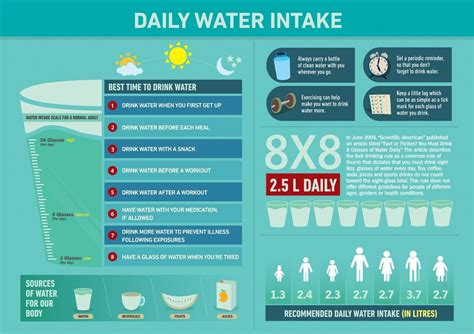
Protein digestion, including that of collagen peptides, requires adequate water. Water plays a vital role in breaking down proteins and moving waste products through the digestive tract. When you increase your protein intake through supplements like collagen, your body's demand for fluids increases to process these proteins efficiently. Insufficient hydration can lead to the colon absorbing more water from the stool, making it harder and drier, and thus more difficult to pass. This exacerbates the potential for constipation, especially if fluid intake is not increased proportionally with collagen consumption.
Why Do We Drink Water? | Importance Of Water | Stay Hydrated | The Dr Binocs Show | Peekaboo Kidz
3. Additives and Fillers: The Hidden Culprits
Not all collagen supplements are created equal. Many products contain added ingredients such as sweeteners, thickeners, flavoring agents, or even certain minerals like calcium and iron. These additives, while intended to improve taste or texture, can sometimes trigger digestive discomfort in sensitive individuals. Ingredients like maltodextrin, sugar alcohols, or various gums can irritate the gut or alter stool consistency, potentially worsening constipation or causing bloating and gas. It is essential to scrutinize product labels and opt for clean, additive-free collagen supplements to minimize the risk of such reactions.
4. Dosage and Escalation: Too Much, Too Soon?
The recommended daily dosage for collagen peptides, according to sources like the Cleveland Clinic, typically falls between 10 to 20 grams. Exceeding this range, or rapidly increasing the dose from a very low amount to a high one, can overwhelm the digestive system. A sudden influx of concentrated protein without the digestive system being accustomed to it can lead to gastrointestinal distress, including constipation. A gradual approach to supplementation allows the body's digestive processes to adapt more comfortably.
5. Individual Sensitivity and Gut Health
The human digestive system is remarkably diverse. While many people experience no adverse effects from collagen peptides, others may be more sensitive. Pre-existing digestive conditions, variations in the gut microbiome, stress levels, and overall dietary patterns can all influence how an individual's body reacts to new supplements. For some, even a standard dose of 10-20 grams might cause a noticeable change in bowel habits. This individual variability means that what works seamlessly for one person might cause digestive issues for another.
Beyond Constipation: Other Potential Digestive Symptoms
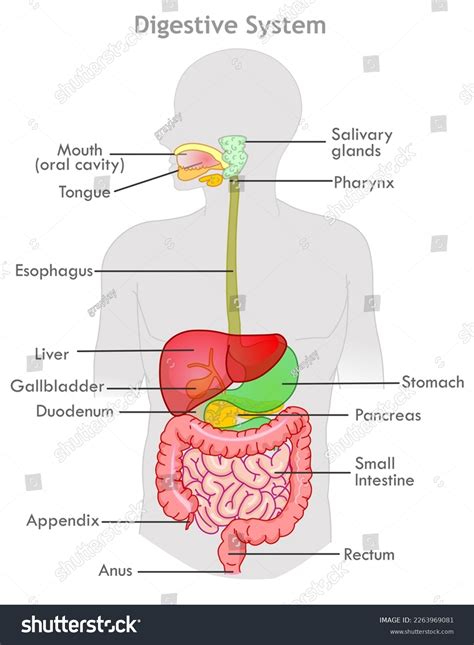
While constipation is a frequently discussed concern, it's not the only digestive symptom some individuals report after starting collagen peptides. Bloating and gas can occur, particularly during the initial adjustment period to increased protein intake or when the supplement contains certain additives. In some cases, bowel movements might become irregular, leading to temporary diarrhea rather than constipation. These effects generally do not indicate a fundamental safety issue with collagen itself but rather reflect how individual digestive systems respond to dietary changes. For most users, these symptoms are temporary and subside as the body adapts.
Dispelling Myths: Collagen and Bowel Obstruction
A common misconception is that collagen supplements can lead to bowel obstruction. However, there is no scientific evidence to support this claim in healthy individuals. Bowel obstructions are serious medical conditions typically linked to underlying issues such as Crohn's disease, inflammatory bowel disease, or conditions involving scarring and narrowing of the digestive tract. While constipation, if severe and prolonged, can cause significant discomfort, it does not equate to a bowel obstruction. Maintaining adequate hydration and fiber intake is crucial for supporting normal digestive flow and preventing such severe complications.
Strategies for a Smoother Digestive Journey with Collagen
Experiencing constipation or other gastrointestinal symptoms after starting collagen peptides doesn't mean you have to abandon the supplement. Simple, effective strategies can help support gut health and promote regular bowel movements, allowing you to enjoy the benefits of collagen without discomfort.
1. Start Low and Go Slow:Ease into collagen supplementation by beginning with a lower dose, such as 5 grams per day, and gradually increasing it over a few weeks. This gentle approach gives your digestive system ample time to adapt to the increased protein intake without triggering adverse symptoms. While the recommended range is 10-20 grams daily, a sudden jump to the higher end can lead to digestive upset.
2. Prioritize Hydration:Since protein digestion requires water, making hydration a priority is essential. Aim for a minimum of 8-10 cups (approximately 2-2.5 liters) of water daily. Sip water consistently throughout the day rather than consuming large amounts at once. Using a reusable water bottle, setting phone reminders, or flavoring water naturally with cucumber or lemon can make staying hydrated more enjoyable.
3. Boost Your Fiber Intake:Collagen's lack of fiber necessitates ensuring adequate intake from your diet. Fiber adds bulk to stool, aiding its movement through the digestive tract. Incorporate fiber-rich foods such as oats, berries, lentils, chia seeds, leafy greens, and whole grains into your daily meals. If dietary fiber is insufficient, consider a fiber supplement like psyllium husk or acacia fiber, remembering to increase fluid intake gradually as you increase fiber to prevent gas or bloating.
4. Choose Your Collagen Wisely:The quality and composition of your collagen supplement matter. Opt for products with minimal ingredients, ideally just "hydrolyzed collagen peptides." Avoid powders containing artificial sweeteners, gums, or thickeners like maltodextrin, which can contribute to digestive issues. Look for brands that prioritize transparent sourcing (e.g., grass-fed, wild-caught) and undergo third-party testing for purity and quality.
5. Timing and Pairing Your Collagen:How and when you consume your collagen can influence digestion. Taking collagen with meals, especially those containing healthy fats or fiber, may support better absorption and reduce gastrointestinal symptoms. Mixing collagen powder into smoothies, oatmeal, or yogurt allows you to combine it with other nutrients that aid digestion. For those sensitive to an empty stomach, avoiding collagen intake in isolation might be beneficial.
6. Consider Hydrolyzed Collagen Peptides:Hydrolyzed collagen peptides are generally considered the most effective and well-tolerated form. This processing breaks down collagen into smaller peptides, making it easier for the body to digest and absorb. When evaluating products, pay attention to quality indicators and consider brands that voluntarily undergo third-party testing for contaminants and adherence to quality standards.
Understanding Individual Responses and Potential Downsides
It is important to acknowledge that individual responses to collagen supplements can vary. While many experience benefits without issue, potential downsides can include digestive discomfort such as bloating, fullness, constipation, or even diarrhea. Some individuals might also dislike the taste or experience reactions due to allergens or specific additives within the supplement formulation.
When to Seek Professional Advice
While most collagen-related digestive issues are manageable with dietary adjustments, it is always advisable to consult a healthcare professional if you experience persistent or severe symptoms. This is particularly important if you have pre-existing digestive conditions, a history of kidney stones, or are taking other medications. Your clinician can provide personalized advice on dosage, supplement selection, and how collagen fits into your overall health plan. They can also help differentiate between mild digestive discomfort and more serious underlying issues.
In conclusion, collagen peptides can be a valuable addition to a wellness routine, supporting various bodily functions. While constipation is a possible side effect for some, it is often linked to modifiable factors such as hydration, fiber intake, dosage, and the presence of additives. By implementing the strategies outlined aboveâprioritizing hydration, increasing fiber, choosing clean products, and starting with a low doseâmost individuals can enjoy the benefits of collagen without experiencing digestive distress.
tags: #does #collagen #make #you #constipated