Collagen has rapidly ascended to prominence in the health and wellness landscape, lauded for its potential to enhance skin elasticity, bolster joint health, and contribute to overall bodily function. As individuals increasingly integrate collagen peptides into their wellness regimens, a common and often uncomfortable question arises: do collagen peptides cause gas? This exploration aims to demystify the potential relationship between collagen supplementation and digestive discomfort, offering insights into how these supplements interact with the digestive system and providing strategies to mitigate any adverse effects.
The Fundamental Role of Collagen in the Body
Collagen is the most abundant protein found in the human body, constituting approximately 30% of the total protein content. It serves as a fundamental building block, providing structural support to a wide array of tissues, including the skin, bones, tendons, ligaments, and cartilage. This vital protein is integral to maintaining the strength and elasticity of these tissues. As the body ages, its natural production of collagen begins to decline. This reduction can manifest in various ways, such as the development of wrinkles, a decrease in skin elasticity, and an increase in joint pain. Consequently, many individuals turn to collagen supplements to replenish the body's diminishing supply, seeking to counteract these age-related changes and support overall health.
Beyond its structural functions, collagen also plays a significant, albeit often overlooked, role in digestive health. It is instrumental in maintaining the integrity of the intestinal lining, a critical barrier that governs nutrient absorption and prevents the unwanted passage of substances from the gut into the bloodstream. By supporting the gut lining, collagen contributes to a healthier digestive environment.

Why Might Collagen Cause Gas?
While the benefits of collagen are widely celebrated, a subset of individuals report experiencing digestive discomfort, most notably gas and bloating, after incorporating collagen supplements into their diet. Understanding the potential mechanisms behind this phenomenon is crucial for anyone considering or currently using collagen.
Incomplete Digestion of Collagen Peptides
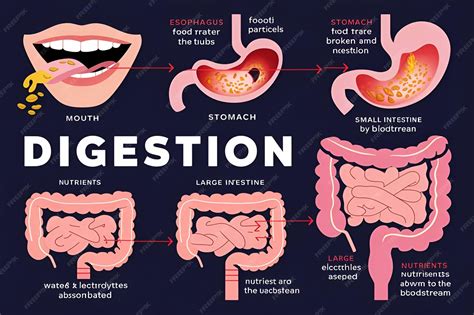
One primary reason for digestive upset stems from the way collagen is processed by the body. Collagen, particularly in its less processed forms, is a large protein molecule. For it to be effectively absorbed, it must be broken down into smaller components, known as peptides, by digestive enzymes. If the collagen peptides are not broken down adequately in the upper gastrointestinal tract, they may reach the lower gastrointestinal tract undigested. In the intestines, these undigested protein fragments can be fermented by gut bacteria, a process that leads to the production of gas.
Protein Overload and Digestive Enzyme Imbalance
Sudden increases in protein intake, especially if an individual is not accustomed to it, can overwhelm the digestive system. The body may not be equipped to produce the necessary digestive enzymes in sufficient quantities to break down the increased protein load efficiently. This digestive enzyme imbalance can result in partially digested food, including collagen, moving through the digestive tract, leading to fermentation and subsequent gas production.
The Gut Microbiome's Role
The gut microbiome, a complex ecosystem of bacteria and other microorganisms residing in the digestive system, plays a pivotal role in food breakdown and nutrient absorption. Introducing a new element like collagen powder, particularly in larger quantities, can potentially alter the delicate balance of this microbial community. Certain types of bacteria may thrive on the undigested collagen, leading to an overproduction of gases as a byproduct of their metabolic processes.
Quality and Composition of Collagen Supplements
Not all collagen supplements are created equal, and the quality of the product can significantly influence its digestive impact. Some collagen powders may contain additives, sweeteners, or fillers that can contribute to digestive discomfort. For instance, certain sugar alcohols, often used as artificial sweeteners, are known to cause gas and bloating in sensitive individuals. Therefore, the presence of such ingredients can be a direct contributor to gas production, irrespective of the collagen itself.
Individual Sensitivities and Pre-existing Conditions
It is essential to acknowledge that every individual's digestive system is unique. What one person tolerates well, another may find problematic. Some individuals may have inherent sensitivities to certain proteins or may have pre-existing digestive conditions, such as Irritable Bowel Syndrome (IBS) or SIBO (Small Intestinal Bacterial Overgrowth), which can make them more prone to experiencing gas and bloating from various food components, including collagen.
Strategies for Minimizing Digestive Discomfort
While gas and bloating can be an unwelcome side effect of collagen supplementation for some, several strategies can help mitigate or prevent these issues, allowing individuals to enjoy the potential benefits of collagen without undue discomfort.
Start with a Low Dose and Gradually Increase
One of the most effective ways to manage potential digestive upset is to introduce collagen gradually. Beginning with a smaller amount, such as half a scoop or a fraction of the recommended daily serving, allows the digestive system time to adjust. As the body becomes accustomed to processing collagen, the dosage can be slowly increased over time. This approach minimizes the risk of overwhelming the digestive system.
Choose High-Quality, Hydrolyzed Collagen
Opting for high-quality, hydrolyzed collagen is paramount. Hydrolysis is a process that breaks down the large collagen molecules into smaller, more easily digestible peptides. This pre-digestion step significantly enhances the bioavailability and reduces the likelihood of undigested collagen reaching the intestines. Look for supplements that explicitly state they are "hydrolyzed" or are in "peptide" form. Furthermore, selecting supplements free from artificial sweeteners, fillers, and unnecessary additives can prevent discomfort caused by these extraneous ingredients.
Take Collagen with Food and Stay Hydrated
Consuming collagen powder with a meal or a snack can provide a buffer and aid in digestion. The presence of other food in the stomach can help stimulate digestive enzymes and slow down the passage of collagen, facilitating a more thorough breakdown. Equally important is maintaining adequate hydration. Collagen has hydrophilic properties, meaning it attracts and binds water. Sufficient water intake helps the body process collagen more efficiently and can prevent constipation, which can sometimes exacerbate gas.
Consider Digestive Aids
For individuals who remain sensitive, incorporating digestive aids can be beneficial. Probiotics, which introduce beneficial bacteria to the gut, can help rebalance the gut microbiome and improve overall digestion. Digestive enzymes, taken alongside collagen, can provide additional support in breaking down protein.
Listen to Your Body and Consult Professionals
Ultimately, listening to your body is crucial. Pay close attention to how you feel after taking collagen supplements. If you consistently experience significant discomfort, it may indicate an intolerance or that a particular product is not suitable for you. In such cases, or if you have underlying digestive concerns, consulting with a healthcare professional or a registered dietitian is highly recommended. They can help identify the cause of the discomfort and suggest personalized solutions.
COLLAGEN Supplements. What you need to know before starting. 🐷🐮🐟🥚
Alternatives to Collagen Supplements
For individuals who find collagen supplements problematic, or who prefer to obtain nutrients from whole food sources, several alternatives exist.
Food Sources Rich in Collagen
While supplements are a concentrated source, collagen is naturally present in various foods. Bone broth, made by simmering animal bones for extended periods, is an excellent source of collagen and other beneficial compounds. Gelatin, derived from collagen, is another option, often used in cooking and desserts. Certain animal products, such as chicken skin, pork rinds, and fish with skin, also contain collagen.
Collagen-Building Nutrients
The body can also be supported in its natural collagen production through adequate intake of specific nutrients. Vitamin C is essential for collagen synthesis. Foods rich in vitamin C include citrus fruits, berries, bell peppers, and leafy greens. Amino acids like proline and glycine, which are abundant in collagen-rich foods, also play a role. Zinc and copper are further trace minerals that support collagen production pathways. Ensuring a balanced diet rich in these nutrients can help the body maintain its collagen levels.
Conclusion: Navigating Collagen Supplementation
Collagen supplementation offers a promising avenue for supporting skin health, joint function, and overall well-being. While the potential for digestive discomfort, such as gas and bloating, exists for some individuals, it is not a universal experience. The reasons for this discomfort can range from incomplete digestion and enzyme imbalances to the quality of the supplement and individual sensitivities. By understanding these potential causes and implementing strategies such as starting with a low dose, choosing high-quality hydrolyzed collagen, consuming it with food, staying hydrated, and listening to one's body, most individuals can successfully incorporate collagen into their wellness routines. For those who continue to experience issues, exploring alternative food sources or focusing on collagen-building nutrients offers a viable path to achieving similar health goals. Consulting with healthcare professionals remains a cornerstone of informed supplementation and personalized wellness strategies.