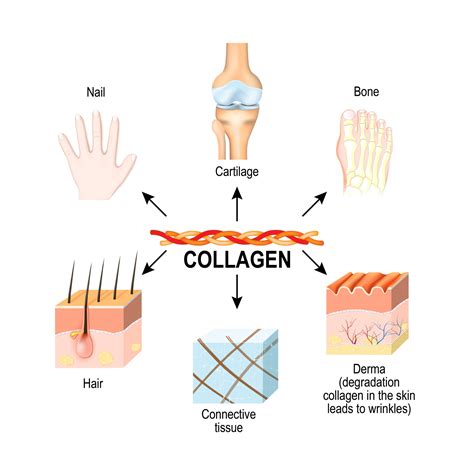
Collagen, a protein that has become a popular choice as a performance supplement, for supporting skin health, and promoting better sleep, is widely embraced for its potential benefits. While most people find collagen products to be a great addition to their daily routine, like any supplement, collagen can come with some potential side effects. The good news is that these effects are often mild and can be easily managed, allowing users to reap the extensive advantages this supplement offers.
Digestive Discomfort: The Most Common Concern
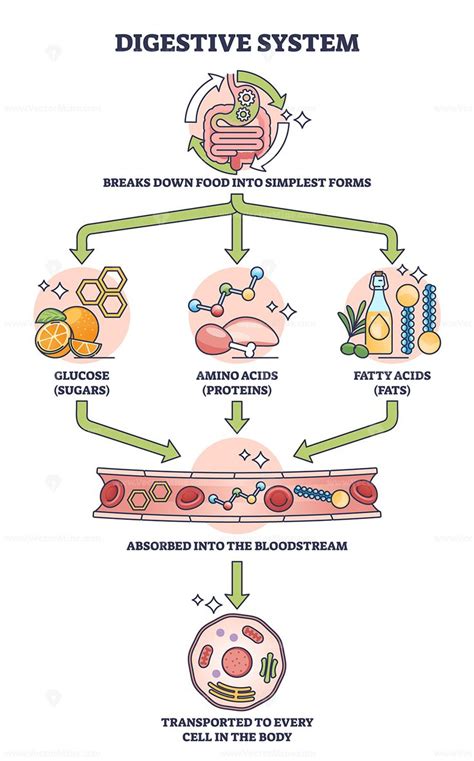
One of the most commonly reported side effects of collagen supplements is mild digestive discomfort, such as bloating, gas, or a feeling of fullness. This typically occurs when the body is adjusting to the new supplement, especially if collagen is taken in large quantities or on an empty stomach. Collagen is a protein, and that means that for some people, it can cause stomach upset. Bloating is often caused by the excess fluid in your digestive system. In either case, you are uncomfortable because your body cannot break down the protein fast enough.
To mitigate these digestive issues, it is recommended to start with a smaller dose and gradually increase it. Taking collagen supplements with food can also significantly help. Eating something at the same time as you take your supplement is a great way to avoid digestive discomfort. When you take collagen supplements regularly, you’ll also want to make sure you stay hydrated. By eating something alongside your supplement and drinking plenty of water, you can avoid two common collagen side effects. Ensuring proper hydration is crucial, as it aids in the digestion and absorption of the supplement.
Allergic Reactions: Understanding the Risks
Although rare, some individuals may experience allergic reactions to collagen supplements. These reactions are often due to an allergen present in the supplement, rather than the collagen itself, especially if they are derived from specific sources, such as bovine or marine sources. Symptoms of an allergic reaction can include itching, rashes, or swelling.
If you have known allergies to cow or fish products, it's important to choose collagen supplements that are free from these ingredients, such as plant-based alternatives. Some collagen supplements are made using fish, shellfish, or pork, which can be common allergens. If you suspect you’re having an allergic reaction, seek medical care immediately. As long as you find a collagen supplement that doesn’t contain additives, and is produced by a trusted company, you shouldn’t have an allergic reaction to collagen.
Kidney Health and Protein Intake
For most people, collagen supplementation is generally safe and does not pose a risk to kidney health. Collagen is a protein supplement, and it contains high amounts of protein and few calories, making it an easy addition to meals or protein shakes for extra nutrients. However, individuals with pre-existing kidney conditions or those on a restricted protein diet should approach collagen with caution. To minimise any potential concerns, it's essential to follow the recommended dosage and consult with a healthcare professional before starting a collagen regimen, especially if you have any underlying kidney issues.
Hypercalcemia, a condition that occurs when you have too much calcium in your blood, can also be a concern, though it is rare and can also happen when you’re taking a medication that interacts badly with collagen. Hypercalcemia can cause heart problems, kidney problems, and neurological issues.
Understanding Collagen Itself
To understand why collagen side effects are so rare, let’s take a quick look at what collagen is. Collagen is the most abundant protein in the human body. It contains 8 of the 9 essential amino acids. Amino acids are molecules our body needs to survive. “Essential” amino acids are molecules that the body can’t generate on its own. Collagen is also rich in several non-essential amino acids. Though they’re called “non-essential”, our body still needs them to survive. When these molecules are built into collagen, they form a connective base across many parts of the body. The best collagen supplements are made from collagen peptides (also known as hydrolyzed collagen). This is a kind of collagen that has been broken down into smaller molecules to make it easier to digest.
Remember, on its own, collagen only has 8 of the 9 essential amino acids. The one it’s missing, tryptophan, is still highly important.
Addressing Other Concerns and Sensitivities
Occasionally, an individual will have a sensitivity to glutamic acid. Ingredient sensitivities can cause skin problems. However, some skin problems are collagen side effects due to the extra protein and will level off after a few days or weeks.
CollagenPro is blended without additives, preservatives or synthetic vitamins, which can help in avoiding potential reactions to added ingredients.
Collagen and Menstrual Cycles
Does collagen affect menstrual cycles? Actually, yes, but in a good way. Collagen will not make your period come late or last longer than usual, but it may ease some of the inflammatory symptoms you experience at certain times of your cycle.
Dosage and Quality: Key to Minimizing Side Effects
It is important to take the right dosage of collagen. Too little, and you may not see any results at all. To prevent this, you’ll want to make sure you’re taking the correct dose. Ultimately, the ideal dosage is going to vary from person to person. Most experts agree that anywhere from 2.5 to 15 grams of collagen is good for daily supplementation.
Most importantly, you need to find a high-quality supplement. Many people never learned how to read nutrition labels and aren’t sure what to look for. Visually, the differences are very subtle. The real difference between them, however, is that a supplement with a nutrition label is FDA-regulated and considered “medical quality”. Finding a medical-quality supplement ensures you’ll get collagen that is more safe and effective than anything else on the market.
The Truth About Animal vs. Plant Protein Quality | Alan Aragon & Dr. Andrew Huberman
The Broader Picture: Benefits Outweighing Risks
Despite all its benefits, being concerned about collagen side effects still makes sense. If you’re trying to improve your health, it’s only normal to think carefully about what you’re putting into your body. Collagen side effects are generally very mild. Typically, they’re the result of your body getting more protein than normal. Sometimes, they may even fade with time. Collagen side effects aren’t life-threatening, and the benefits of collagen are well worth the small risk of encountering them.
Collagen plays a crucial role in maintaining our body's structure, from improving skin elasticity and reducing the appearance of wrinkles to supporting joint health and alleviating pain. It also promotes stronger bones, supports muscle recovery, and contributes to healthier hair and nails. As we age, our natural collagen production declines, but supplementing with high-quality collagen can help replenish these vital proteins, ensuring you maintain vitality and strength.
Overall, collagen is a powerful supplement that can enhance your well-being in many ways. As you consider adding collagen to your routine, rest assured that with the right approach, you'll be able to enjoy its many benefits without the worry of significant side effects. Collagen side effects are rare and often preventable. For most people, preventing side effects is simple. Adjust your routine to include taking collagen with a meal when needed and staying well hydrated.