Collagen, the body's most abundant protein, is a fundamental building block for skin, joints, hair, and bones. As its popularity as a supplement soars, so does curiosity about its effects, including the peculiar phenomenon of post-consumption drowsiness. Many individuals, hopeful about enhancing their skin's health, joint function, or hair vitality, incorporate collagen supplements or powders into their daily routines, often adding them to morning beverages or smoothies. Despite its widespread use, a comprehensive understanding of what collagen is and how it functions within the body remains elusive for many. This article delves into the nature of collagen, its physiological roles, and critically examines the reported side effects, particularly the perplexing connection to drowsiness.
What is Collagen and What Does It Do?
Collagen is a structural protein, forming the essential framework of our cells and tissues. There are 28 identified types of collagen, with Type I accounting for a remarkable 90% of the collagen present in the human body. Its composition is primarily the amino acids glycine, proline, and hydroxyproline, which arrange themselves into three strands, creating the characteristic triple-helix structure. This protein is integral to connective tissues, skin, tendons, bones, and cartilage, providing vital structural support. Beyond its structural role, collagen is deeply involved in crucial cellular processes, including tissue repair, immune responses, cellular communication, and cellular migration, which is fundamental for tissue maintenance. The production and upkeep of collagen are managed by specialized connective tissue cells known as fibroblasts.

As individuals age, a natural decline in collagen production occurs. The collagen itself becomes fragmented, fibroblast function diminishes, and the overall production rate slows. Coupled with the loss of another critical structural protein, elastin, these changes manifest as visible signs of aging, such as sagging skin and the formation of wrinkles.
Sources and Supplementation of Collagen
The body naturally synthesizes collagen, but it can also be obtained through dietary sources like chicken and fish skin, as well as through commercially available collagen supplements. Oral and topical collagen products, encompassing supplements and facial creams, have gained significant traction for their purported ability to combat signs of aging, including wrinkles, loss of skin hydration, and joint discomfort.
Collagen supplements are available in various forms, including powders, capsules, and liquids. These can be consumed directly or incorporated into both hot and cold beverages, as well as foods like oatmeal, yogurt, and energy balls. In the medical field, healthcare professionals utilize collagen and collagen-based materials for applications such as wound healing, treating burns, and managing diabetic ulcers. The cosmetics industry also leverages collagen in products like moisturizers and serums due to its inherent moisturizing and humectant properties.

The natural decline in collagen production with age, coupled with its fragmentation and looser distribution, contributes to the characteristic signs of aging. The integrity of collagen within the skeletal system also diminishes over time, potentially reducing bone strength. While age-related collagen loss is inevitable, certain dietary and lifestyle choices can accelerate this process. For instance, smoking is well-documented to degrade collagen, leading to premature skin aging, wrinkles, and a loss of elasticity. Excessive alcohol consumption has also been shown to hasten skin aging by impairing collagen production and damaging skin repair mechanisms. Furthermore, a diet rich in added sugars and ultra-processed foods can contribute to premature aging through a process called glycation, which disrupts collagen turnover and its ability to interact effectively with surrounding cells and proteins. Excessive sun exposure also negatively impacts collagen production, highlighting the importance of sunscreen use and minimizing prolonged sun exposure to prevent premature skin aging.
Natural sources of collagen are abundant in the animal kingdom, concentrated in specific parts like the skin and joints. These include the bones, skin, and ligaments of animals such as chickens and pigs, certain types of seafood like fish skin and jellyfish, and products derived from animal parts like bone broth.
Supporting the body's natural collagen production can be achieved through a diet rich in essential amino acids, the building blocks of protein, found in foods like poultry, fish, beans, and eggs. Beyond amino acids, other dietary components are crucial for collagen synthesis and maintenance. Vitamin C, for example, is indispensable for collagen synthesis, and deficiencies can impair its production. Consuming ample vitamin C-rich foods, such as citrus fruits, peppers, leafy greens, and berries, can actively support healthy collagen production. Additionally, a diet abundant in beneficial plant compounds may contribute to improved skin health by reducing inflammation and protecting against collagen degradation.
Potential Benefits of Collagen Supplementation
Research into the efficacy of collagen supplements suggests several potential benefits. One of the most widely recognized applications is in supporting skin health. Studies indicate that regular intake of collagen supplements may lead to improvements in various aspects of skin health and appearance. A comprehensive review of 19 studies, involving 1,125 participants (95% women aged 20-70), found that hydrolyzed collagen supplementation significantly enhanced skin hydration, elasticity, and reduced the appearance of wrinkles when compared to placebo treatments. Hydrolyzed collagen, a common form in supplements, undergoes a process called hydrolysis, which breaks down the protein into smaller, more easily absorbable peptides. While many studies have demonstrated improvements in skin hydration, elasticity, and wrinkle reduction, it's noteworthy that a number of these studies were funded by collagen product manufacturers, a factor that could potentially influence their outcomes.
5 Surprising Facts About Collagen Supplements You Must Know!
Beyond skin health, collagen supplements may offer additional advantages. Studies have explored their impact on bone mineral density, particularly in postmenopausal individuals, a demographic at higher risk for osteopenia and osteoporosis. One study involving 102 postmenopausal women with reduced bone mineral density (BMD) found that daily intake of 5 grams of collagen peptides for one year resulted in significant increases in BMD in the spine and femur compared to a placebo group. A follow-up study on a subset of these women indicated that sustained daily intake of 5 grams of collagen peptides for a total of four years was associated with progressive BMD increases. These findings suggest a potential long-term benefit of collagen supplementation for increasing bone mineral density in postmenopausal women, although further research is warranted.
The potential benefits of oral collagen supplementation for osteoarthritis (OA) have also been investigated. A meta-analysis of studies encompassing 870 participants in 2024 indicated improvements in function and pain scores among groups receiving oral collagen supplements compared to control groups. A similar clinical trial in 2024, involving 80 participants with knee OA, reported enhanced physical function and reduced pain in those taking oral collagen supplements versus a placebo. Furthermore, a 2025 review of studies examining the effects of collagen supplementation in both healthy individuals and those with various musculoskeletal conditions suggested that collagen supplementation might benefit individuals who exercise and those experiencing joint pain, despite variations in study protocols. However, the need for more rigorously designed and consistent research remains.
Understanding the Drowsiness Side Effect
While collagen supplements generally boast a favorable safety profile with few widely recognized adverse effects, the experience of drowsiness after consumption is a reported phenomenon for some individuals. This effect is not universally experienced and can be influenced by various factors.
One primary reason for this perceived drowsiness is the high content of the amino acid glycine in collagen. Glycine is known for its calming properties and has been shown to influence sleep quality. Research suggests that glycine can increase serotonin levels, a neurotransmitter crucial for regulating mood and sleep. Serotonin, in turn, is a precursor to melatonin, the hormone that governs our sleep-wake cycles. Therefore, the increased glycine intake from collagen supplements can contribute to feelings of relaxation and sleepiness.
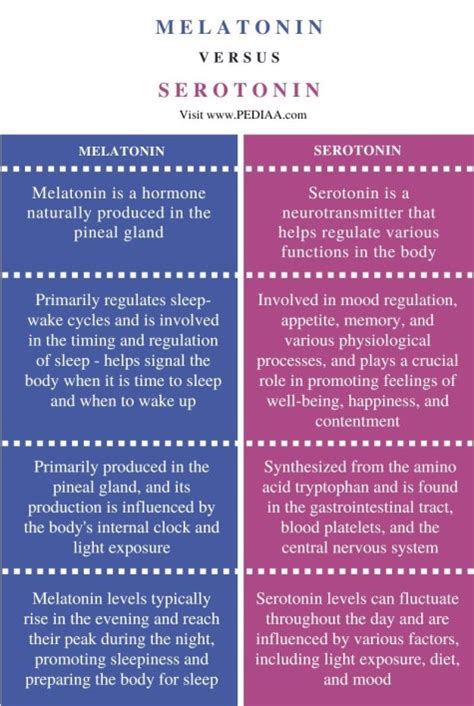
Furthermore, the body's natural production of certain neurotransmitters can be influenced by amino acid availability. While collagen itself does not naturally contain tryptophan, an amino acid essential for serotonin production, some individuals' dietary intake might be imbalanced. If collagen supplements are consumed in high doses without adequate tryptophan from other dietary sources, it's theoretically possible for the body to prioritize the available tryptophan for protein synthesis, potentially impacting serotonin levels. However, it is important to note that tryptophan deficiency is unlikely in individuals consuming a balanced diet, as tryptophan is present in many common food sources.
The timing of collagen intake may also play a role in experiencing drowsiness. Consuming collagen in the morning or midday might lead to unwanted sleepiness, whereas taking it in the evening could potentially be more beneficial for those seeking to improve sleep quality.
Some reports suggest that collagen supplementation might stimulate the release of melatonin, further contributing to sleep-inducing effects. Additionally, how collagen is consumed can influence its impact. If collagen products contain carbohydrates or are taken with vitamin C to enhance absorption, these factors might also indirectly affect energy levels.
Other Potential Side Effects and Considerations
While drowsiness is a notable reported effect, other potential side effects of collagen supplements, though less common, can include digestive issues such as heaviness in the stomach, mild diarrhea, or heartburn. Skin rashes and acne breakouts have also been anecdotally reported by some individuals, potentially linked to excessive intake or specific product formulations. In rare cases, excessive accumulation of type I collagen in liver tissue has been associated with liver fibrosis, and collagen intake has been linked to the development of kidney stones. Some individuals with histamine intolerance have also reported adverse reactions to collagen.
It is crucial to be aware that manufacturers often combine collagen with other ingredients in supplements. These additional components, such as herbal extracts or high levels of certain vitamins (like biotin), can pose health risks or interact with prescription medications. For instance, high doses of biotin can interfere with laboratory tests for heart and thyroid function. Herbal extracts may interact with commonly prescribed medications, and some formulations may not be safe for pregnant or nursing individuals.
The sourcing and purity of collagen supplements can also be a concern. A study identified a significant number of collagen products that did not clearly disclose their source, and some lacked allergy warnings or third-party testing for sourcing, purity, and ingredient verification. These unverified products may contain contaminants or undeclared additives.
5 Surprising Facts About Collagen Supplements You Must Know!
Interactions with Medications
While robust evidence of direct interactions between collagen supplements and prescription medications is limited, caution is advised. Individuals taking blood thinners, such as warfarin, should consult their healthcare provider before starting collagen supplements. Although data is scarce, the natural collagen in the body is integral to blood clotting, and the potential for interference with prescription blood thinners warrants further investigation.
Similarly, individuals on beta-blockers like propranolol should discuss collagen supplementation with their doctor. Research suggests that high protein diets can influence the rate at which these medications are eliminated from the body, potentially reducing their effectiveness. Given that beta-blockers are often prescribed for serious conditions, such interactions require careful consideration.
Dietary Alternatives and Lifestyle Factors
It is important to recognize that supplementing with collagen is not the sole method for supporting the body's collagen levels or bone health. A balanced diet that includes sufficient high-quality protein, vitamin D, calcium, vitamin C, and zinc can effectively support the body's natural collagen production and maintenance of bone tissue. A protein-rich diet, combined with regular physical activity, particularly resistance and weight-bearing exercises, is especially beneficial for maintaining muscle and bone health as one ages.
Slowing down age-related collagen loss is achievable through lifestyle modifications. Avoiding smoking and excessive alcohol consumption, and limiting the intake of ultra-processed foods and added sugars, can significantly mitigate the acceleration of collagen degradation. Conversely, adopting a nutrient-dense diet and a healthy lifestyle can help delay age-associated collagen changes and reduce visible signs of aging. Reducing the intake of foods high in advanced glycation end products (AGEs), such as processed meats, fried foods, and heavily roasted or grilled meats, may also promote skin health by preventing collagen stiffening and inactivation of repair proteins.
Specific Populations and Allergies
Collagen is generally considered safe for most individuals. However, those with food allergies, particularly to fish or shellfish, must carefully review product labels to ensure the absence of these ingredients. As collagen is an animal product, vegetarians, vegans, and individuals adhering to Kosher or Halal dietary laws may choose to avoid it.
Conclusion: Navigating Collagen Use
Collagen supplements offer a range of potential health benefits, from improving skin elasticity and hydration to supporting bone density and joint health. However, the experience of drowsiness, while not universal, is a reported side effect linked primarily to the high glycine content in collagen and its potential influence on sleep-regulating neurotransmitters. While generally safe, it is prudent to be aware of potential digestive discomforts and the implications of additional ingredients in multi-component supplements. Consulting with a healthcare professional before initiating collagen supplementation, especially if you have pre-existing health conditions, allergies, or are taking prescription medications, is a vital step to ensure safety and efficacy. Understanding your body's response and adjusting intake or timing can help mitigate any undesired effects, allowing you to harness the benefits of this fundamental protein.