The question of whether Procreate, the immensely popular digital art application for iPad, features advertisements is a straightforward one, yet understanding the nuances of its business model and associated intellectual property provides a richer context for digital creators. Procreate is unequivocally an ad-free experience, a deliberate choice by its developers to foster an uninterrupted creative environment. This commitment to an ad-free platform is a significant draw for artists who value focus and immersion, distinguishing it from many other applications that rely on advertising revenue.
The Procreate Ecosystem: A Focus on Creation, Not Interruption
Procreate, developed by Savage Interactive, has carved out a significant niche in the digital art world, particularly among iPad users. Its core philosophy centers on providing powerful, intuitive tools for sketching, painting, and illustration without the distractions commonly found in other software. This includes the complete absence of advertisements within the application itself. When you purchase Procreate, you are acquiring a license to use the software, and that experience is designed to be free from pop-ups, banners, or any other form of commercial interruption.
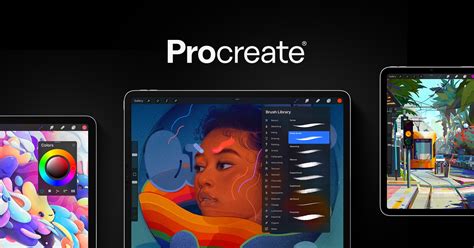
This ad-free nature is a key selling point. For artists, especially those working on detailed pieces or in time-sensitive situations, intrusive ads can disrupt workflow, break concentration, and even lead to accidental taps that alter their work. Procreate's developers recognized this fundamental need for a clean, focused workspace. The one-time purchase model, rather than a subscription with potential ad-supported tiers, reinforces this commitment to an uninterrupted user experience.
Understanding Procreate's Business Model and Intellectual Property
The information provided sheds light on how Procreate manages its brand and intellectual property, which indirectly supports its ad-free stance. Savage Interactive has established clear guidelines for the authorized use of Procreate trademarks and copyright. This meticulous approach to intellectual property management is crucial for maintaining brand integrity and preventing misuse, which could potentially dilute the brand or lead to a less controlled user experience.
Authorized Uses of Procreate Trademarks:
- Illustrating Product Capability: Users are permitted to state that their products, such as brush sets or accessories, are for use with Procreate. This is a common and legitimate way for third-party creators to market their offerings to the Procreate user base. For example, a seller can clearly indicate that their custom brush pack is "for use in Procreate" or that their drawing glove is "suitable for use in connection with Procreate."
- Reviews and Educational Content: Procreate trademarks can be used for reviews of Procreate products or for instructional and educational purposes. This includes creating tutorial videos for character design in Procreate or reviewing new features in applications like Procreate Dreams. This allows for community engagement and knowledge sharing without infringing on the brand's rights.
Unauthorized Uses to Avoid:
- Branding and Identification: Procreate trademarks cannot be used as profile pictures, display images, or icons for a user's own product. This also extends to incorporating them into one's own design or using them in URLs, handles, or as part of product or business names.
- Prominence: When a Procreate trademark is used, it must not be the most prominent feature. The user's own brand elements should be larger and more noticeable.
- Misleading Similarity: Creating names, phrases, or images that are substantially or misleadingly similar to Procreate trademarks is prohibited. This protects against consumer confusion and maintains the distinctiveness of the Procreate brand.
Rules for Using Procreate Copyright:
- Screenshots and Screen Recordings: Users can capture and use screenshots and screen recordings of Procreate products, provided they are captured by the user and do not depict content not owned or licensed by them. These can be used in product review content.
- Sample Projects: Users are not permitted to export or share screenshots/recordings of sample projects contained within Procreate in a way that falsely implies they are the creator. This is to protect the rights of the original artists. If sharing a modified sample project, proper artist credit must be given, which can be found within the app's Canvas Information or Properties sections.
These guidelines underscore Savage Interactive's commitment to protecting its intellectual property while enabling legitimate community use. The clarity in these rules helps ensure that the Procreate brand remains associated with quality and creativity, and importantly, with an uninterrupted user experience.
Procreate Dreams and Procreate Pocket: Expanding the Ecosystem
The ad-free philosophy extends to other applications within the Procreate family, such as Procreate Dreams and Procreate Pocket. Procreate Dreams, an animation app, is described as being "packed with powerful tools that anyone can use," offering features like Flipbook animation, multiple tracks, keyframes, and the ability to import audio and video. Like its parent application, Procreate Dreams is a one-time purchase and free of advertisements. Similarly, Procreate Pocket, designed for iPhone, maintains the same ad-free ethos.
Procreate Dreams 2, the latest update, continues this tradition, focusing on enhancing the animation and creation process. The "What's new?" section highlights advancements without any mention of ad integration. The pricing model for these applications - a single, upfront payment - is a clear indicator of their business strategy, which prioritizes user experience over ad revenue.
Device Compatibility and Accessibility
Procreate and its related applications are designed exclusively for Apple devices. Procreate requires an iPad running iPadOS 16.3 or later, while Procreate Pocket is available for iPhone. Procreate Dreams is also an iPad application. This platform specificity allows the developers to optimize the software for the unique capabilities of Apple hardware, such as the Apple Pencil's pressure sensitivity and hover technology (which works on specific iPads).
The application's accessibility is further enhanced by its availability on the App Store, where users can find information about updates and purchases. The current version of Procreate for iPad is 5.4.8, and updates are managed through the App Store, ensuring users always have access to the latest features and bug fixes without any ad-related complications.
Customization and User Control: Brushes, Fonts, and Data Privacy
Procreate offers a high degree of customization, particularly with its brush engine. Users can create their own brushes, adjust parameters, and even import Photoshop (.abr) brushes. The provided text mentions that all custom brushes are available in the Classic Library by pinching the brush panel or tapping the Procreate Library title. This level of control over creative tools is a hallmark of the Procreate experience.
Create CUSTOM BRUSHES On PROCREATE For Architectural Projects ( + FREE downloadable brushes)
Furthermore, Procreate emphasizes user privacy. The developer explicitly states that "The developer does not collect any data from this app." This is a significant differentiator in today's digital landscape, where data collection is commonplace. The ad-free nature of Procreate is intrinsically linked to this commitment to privacy; without advertisements, there is no need to collect user data for targeted marketing.
User Experience and Value Proposition
The value proposition of Procreate is strongly tied to its ad-free, focused environment and its powerful, yet intuitive, feature set. The one-time purchase price of $12.99 USD for Procreate and Procreate Dreams is consistently highlighted as a significant advantage, especially when compared to subscription-based software. This model ensures that once purchased, the app is yours to keep and use indefinitely, with all features accessible without further payment or advertising.
While Procreate is fantastic for sketching, flat illustrations, and on-the-go creativity, the provided text also acknowledges its limitations compared to more complex software like Photoshop for certain tasks, such as intricate grid structures for web design or advanced vector shape manipulation. However, for its intended purpose-empowering artists to create freely-Procreate excels. The developers have also included helpful resources, such as a collection of short videos developed specifically for new users, to ease the learning curve.
In conclusion, Procreate stands as a testament to the value of an uninterrupted creative process. Its deliberate exclusion of advertisements, coupled with a robust feature set and a fair pricing model, solidifies its position as a preferred tool for digital artists seeking a focused and high-quality drawing and painting experience. The comprehensive guidelines surrounding its intellectual property further underscore the developers' commitment to maintaining a clear, professional, and artist-centric brand.