The Fillmore Auditorium, a landmark venue nestled in Denver, Colorado's vibrant Capitol Hill neighborhood, boasts a rich and multifaceted history stretching back over a century. Located at 1510 Clarkson Street, this iconic building has transitioned through numerous identities, from a bustling roller-skating rink to a manufacturing hub, a recreational center, and ultimately, a celebrated live music destination. Its enduring presence and constant evolution have cemented its status as a significant cultural and entertainment cornerstone in the Mile High City.
From Roller Rink to Automobile Factory: The Early Years
The story of the Fillmore Auditorium begins in 1905, with its completion and opening to the public in 1907. Originally conceived and built as the Mammoth Roller Skating Rink, it quickly became a popular gathering place, particularly for students from the nearby East High School. The expansive space provided ample room for skaters to glide and socialize, establishing an early precedent for the venue as a hub of public activity.
However, the building's utility was not confined to recreation. By 1910, the roller rink's doors closed, and a new chapter began as the Fritchle Automobile & Battery Company took occupancy. During its time as a manufacturing plant, the company produced a significant number of automobiles, with an estimated output of over 500 vehicles. Notably, the very first car manufactured at this location was acquired by the renowned Titanic survivor, Margaret "Molly" Brown, a testament to the site's connection to historical figures and events. This period highlights the building's adaptability, shifting from a recreational space to an industrial one, showcasing its structural capacity for diverse functions.
A Community Hub and Sporting Arena: The Mammoth Garden Era
Following its stint as an automobile factory, the building lay dormant for several years before finding a new purpose as Denver's first community center. Purchased by Irving Jacob, it was revitalized and renamed the Mammoth Garden Roller Club. This transformation ushered in an era of diverse athletic and social activities. The venue offered a wide array of options, including ice skating, hockey, basketball, and even hosted boxing and wrestling matches, solidifying its role as a central point for community engagement and sporting events.
The Mammoth Garden Roller Club also played a role in the burgeoning world of televised sports. It was from this building that the first hockey game ever broadcast on Armed Forces Radio Services aired, with games regularly featured every Thursday. The venue further cemented its sporting significance by hosting national figure and speed skating championships in the 1950s. Beyond sports, the building also served as a temporary wedding hall during World War II and was home to the celebrated "Skating Vanities" shows in the 1945-46 season. This period underscores the venue's versatility, accommodating everything from competitive sports to social celebrations and entertainment spectacles. As larger venues like the Denver Coliseum gained popularity, the Mammoth Garden Roller Club eventually closed its doors in 1967, transitioning into a five-year stint as a warehouse for the Colorado Mercantile Company.
The Birth of a Music Venue: Mammoth Gardens and Beyond
The building's transformation into a prominent music venue began in 1968 when concert promoter Stuart Green purchased it. He renamed the establishment Mammoth Gardens and meticulously converted it from an ice rink into a nightclub. Green's ambition was to create a venue that could rival the legendary Fillmore brand, then operated by Bill Graham. To achieve this, Mammoth Gardens collaborated closely with promoter Barry Fey, successfully attracting a slew of renowned touring acts to Denver.
Despite a relatively short operational period of just eight months under this specific configuration, Mammoth Gardens became a crucible for iconic musical performances. The stage hosted some of the era's most influential artists, including Jethro Tull, The Who, The Grateful Dead, Johnny Winter, and Joe Cocker. This brief but impactful period laid the groundwork for the venue's future as a live music powerhouse. The club eventually closed in October 1970, a move influenced by city leaders aiming to improve the surrounding neighborhood.
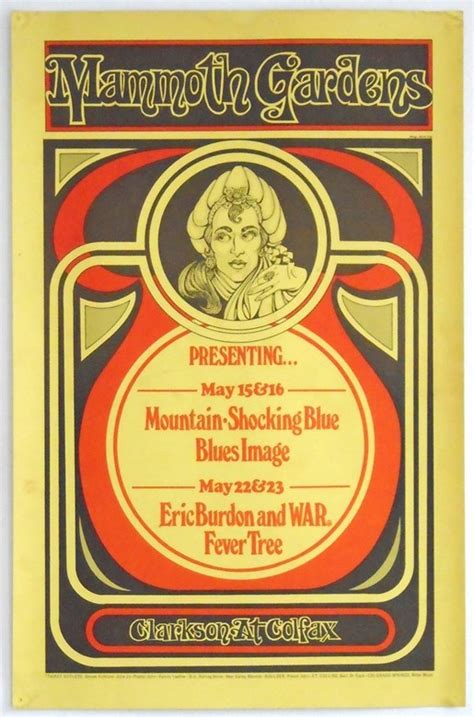
The venue's musical journey continued intermittently. In 1981, it reopened once again as "Mammoth Gardens," serving as a multipurpose space for both sporting events and music concerts, as well as a venue for private meetings and banquets. However, this iteration was short-lived, closing after only 14 months due to internal disputes among its owners.
A significant shift occurred four years later when Manuel and Magaly Fernandez acquired the property. Under their ownership, and after some renovations, the venue evolved into the Mammoth Events Center. This period marked a crucial reinvention, as it became a primary destination for Denver's thriving Latin music scene, alongside hosting a diverse range of other touring bands. For over a decade, the Mammoth Events Center presented a remarkable roster of artists, including The Mighty Mighty Bosstones, Beastie Boys, Ozzy Osbourne, Cyndi Lauper, Pantera, Slayer, Rick James, Cypress Hill, Jane's Addiction, The Offspring, Sublime, Blink-182, Oasis, Coldplay, and Green Day, among many others. This era solidified the building's reputation for consistently delivering high-energy performances and catering to a wide spectrum of musical tastes.
The Fillmore Era: A Modern Music Institution
The most recent and perhaps most enduring transformation of the venue began in February 1999, when Bill Graham Presents, a company that would later merge with Live Nation, purchased the property. Following this acquisition, the venue was extensively renovated and reopened as The Fillmore Auditorium Denver. This rebranding and upgrade aimed to position it as a premier music destination, echoing the legacy of the original Fillmore venues.
The acquisition and rebranding were not without their challenges. The addition of another major music venue to Denver's already burgeoning scene was met with controversy and skepticism from some local audiences and industry professionals. At the time, Denver boasted several established and popular mid-size concert halls, including the Magness Arena, Ogden Theatre, and Paramount Theatre, leading some to question the necessity of another large-scale venue. Promoters also expressed concerns, viewing the building's history of frequent changes and varied uses as a potential indicator of instability.
New Denver Music Venue
Despite these initial reservations, the building underwent a significant overhaul between November 1998 and May 1999. These renovations included a relocation of the stage, substantial improvements to the acoustics and sound system, and the addition of numerous modern amenities designed to enhance both the artist and audience experience. The inaugural concert under the Fillmore banner was performed by the Trey Anastasio Band on May 19, 1999, marking the beginning of a new era.
Since its reopening as The Fillmore Auditorium, the venue has firmly established itself as a prominent force in Denver's music scene. It has hosted an impressive catalog of over 1,900 acts, attracting legendary artists such as Bob Dylan, Widespread Panic, Foo Fighters, Marilyn Manson, and Paramore, alongside contemporary stars like AJR and Panic! At The Disco. The venue has even welcomed distinguished guests like President Barack Obama. Its consistent success has led to frequent rankings among the top 10-grossing indoor music venues in the United States, a testament to its enduring popularity and operational excellence.
Enhancing the Experience: Modern Renovations and Unique Features
The commitment to providing a top-tier experience for both performers and attendees is evident in the venue's ongoing development. In 2017, The Fillmore underwent a significant renovation project, the first of its scale in over a decade. This comprehensive update focused on enhancing the backstage area for artists, including expanding green rooms, installing new showers, updating furniture, and incorporating new televisions. A full-service kitchen was also added to cater to artists and their crews nightly, ensuring a comfortable and well-supported environment for performers.
Beyond artist amenities, the venue also saw substantial improvements for its patrons. A major upgrade involved the addition of over 50 new bathrooms for both men and women, addressing a common need in large venues and improving overall comfort and convenience for concertgoers.
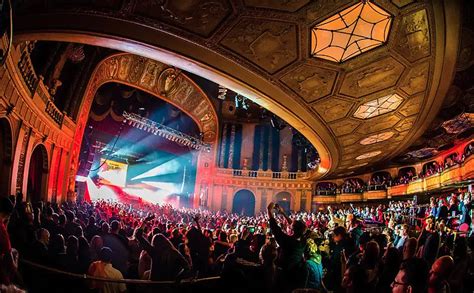
One of the most distinctive features of The Fillmore Auditorium Denver is its unique liquor license. It holds an exclusive dual minors with adults liquor license in Colorado for a private venue. This special permit allows individuals under 21 and those over 21 to stand together at concerts, eliminating the need for age-based separation. This fosters a more inclusive atmosphere, allowing families and friends of varying ages to enjoy live music experiences together. This innovative licensing, combined with the venue's energetic atmosphere, state-of-the-art facilities, and a capacity of up to 3,600 guests for live music events, continues to make The Fillmore Auditorium Denver a highly sought-after destination for artists and fans alike. The venue's over 30,000 square feet of design space, coupled with its historical significance and ongoing commitment to modernization, ensures its continued relevance and appeal in the dynamic live entertainment landscape. The Fillmore Auditorium Denver currently holds the title as Colorado’s largest indoor venue for general admission seating, a distinction that underscores its capacity to host large-scale events and draw significant crowds. The venue's unique blend of historical resonance and contemporary functionality allows it to cater to a broad audience, from those seeking an intimate concert experience to those looking for a grand spectacle. The atmosphere, described as energetic and electrifying, with colorful lights and sparkly chandeliers, contributes to a memorable and engaging experience for everyone who walks through its doors. The presence of the Bill Graham Foundation office within the building further connects it to a rich legacy of music promotion and artist support.
The Fillmore Auditorium Denver, a testament to adaptability and enduring appeal, continues to make its mark on the cultural fabric of Denver, promising many more years of unforgettable performances and vibrant community gatherings. The venue's ability to embrace change while honoring its past has been key to its sustained success.
tags: #filmore #auditorium #denver