Adobe Photoshop CC has long been the undisputed champion in the realm of digital imaging, serving as the preferred choice for both creative professionals and enthusiastic hobbyists who require robust photo editing, sophisticated graphic design, and versatile multimedia tools. Its enduring popularity stems from a potent combination of deep functionality, user-friendly interfaces for many tasks, and continuous innovation that keeps it at the forefront of creative technology. For those looking to enter the world of digital artistry or enhance their existing skills, understanding how to get into Photoshop is the crucial first step. This guide will navigate you through the essentials, from understanding its core capabilities to leveraging its most advanced features, ensuring you can harness its power for your unique projects.
The Photoshop Ecosystem: CC vs. Elements
While the name "Photoshop" often evokes the industry-standard Adobe Photoshop CC, it's important to acknowledge the existence of Photoshop Elements. Photoshop Elements is a more streamlined and accessible version, designed for consumers and home users who want to perform common photo editing tasks with ease. It offers features like easily removing backgrounds and adjusting colors, making it a great starting point for beginners. You can have more than one version of Photoshop Elements installed on your computer, allowing for flexibility.
Adobe Photoshop CC, on the other hand, is the professional-grade software that excels in creative workflows. It provides precise control over layers, selections, and effects, offering a depth of tools that cater to complex artistic endeavors. For anyone aspiring to a career in graphic design, photography, or digital art, or for those who simply demand the highest level of control over their creations, understanding Photoshop CC is paramount.
Getting Started: Installation and Activation
The journey into Photoshop begins with installation. For Photoshop Elements, the process often involves inserting a DVD (ensure it's a DVD drive, not just a CD drive) and running the setup.exe file. If the AutoPlay feature doesn't initiate the installation, you can manually browse the DVD using Windows Explorer and double-click Setup.exe from the Adobe Photoshop Elements folder. On macOS, you would navigate to the Adobe Photoshop Elements folder and launch Install.app.
For Photoshop CC, the process is typically managed through the Adobe Creative Cloud desktop application. Once you've subscribed, you can download and install Photoshop CC directly from the Creative Cloud app.
Licensing and Trials
Adobe offers a pathway for users to experience Photoshop before committing to a purchase. If no valid license is found with your Adobe ID, you generally receive a 7-day free trial. During or after this trial period, you can purchase a license on Adobe.com. After converting to the full version, you'll often see a pop-up screen where you can select "Get Started." For older versions of Photoshop Elements, activation of the full version after installation might involve using a serial number. The serial number is usually located at the bottom of the DVD sleeve. If you have a redemption code, you'll need to convert it to a serial number first.
Before commencing installation, it's often recommended to temporarily disable firewalls, antivirus software, and any third-party security software. This can prevent potential conflicts during the installation process and ensure a smooth setup.
Core Capabilities: The Power of Layers and Selections
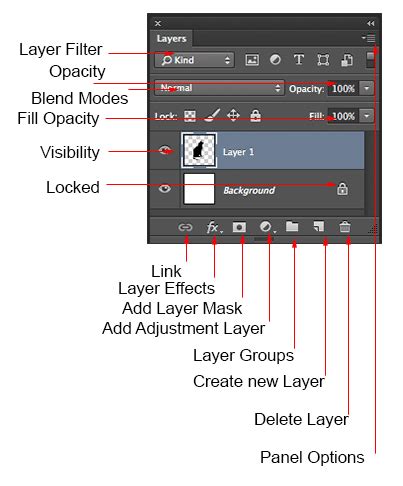
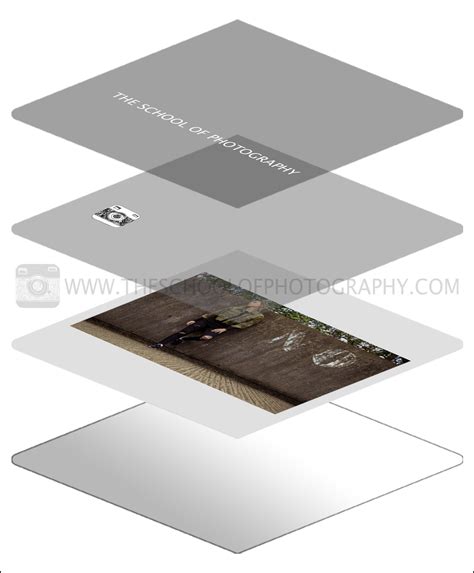
At the heart of Photoshop's power lies its layer-based workflow. Layers are like transparent sheets stacked on top of each other, each containing different elements of your image. This non-destructive editing approach allows you to modify individual elements without affecting others, providing immense flexibility and control. You can adjust colors on one layer, add text on another, and apply effects to a third, all independently.
Complementing layers are Photoshop's advanced selection tools. Whether you need to isolate a subject for background removal, create precise masks, or make targeted adjustments, Photoshop offers a suite of tools. These include the Marquee tools for basic shapes, the Lasso tools for freehand selections, the Magic Wand and Quick Selection tools for color-based selections, and the powerful Pen Tool for creating vector paths that can be converted into incredibly precise selections. Retouching brushes and masking options further empower users to refine their edits with surgical accuracy, supporting high-end photo manipulation that was once the exclusive domain of darkroom techniques.
Deep Tools and Expert Capabilities
Adobe Photoshop CC excels with a comprehensive set of editing features that give creators granular control over images. Users benefit from layer-based workflows, advanced selection tools, retouching brushes, and masking options that support high-end photo manipulation. Performance in the program is generally reliable when handling medium-sized files and standard editing tasks, providing smooth real-time previews and export routines. However, complex projects with many layers, high-resolution images, or intricate adjustments can occasionally slow down, particularly on systems with limited memory. The tool maintains excellent compatibility with industry-standard file formats, making it easy to share work with clients, collaborators, and team members. Its professional polish, extensive plugin support, and integration with shared asset libraries strengthen its overall utility. On the downside, some advanced workflows involve a steep learning curve and demand high system resources, which may challenge casual users or those on less powerful machines.
The software's ability to integrate with a vast ecosystem of plugins further extends its capabilities. These plugins can range from specialized filters for artistic effects to tools that automate complex tasks, allowing users to tailor Photoshop to their specific needs and workflows.
AI-Powered Creative Enhancements with Firefly
Recent updates to Adobe Photoshop CC have introduced powerful generative AI features powered by Adobe Firefly, significantly boosting creative capabilities. These include improved Generative Fill and Generative Expand tools that let users quickly create or revise complex image elements with realistic results using simple prompts. You can now tweak backgrounds, generate image variations, and even control texture and style with AI assistance, accelerating workflows for artists at every skill level. Such AI-driven tools are part of Adobe’s broader push to embed commercially safe, generative models directly into core creative apps.
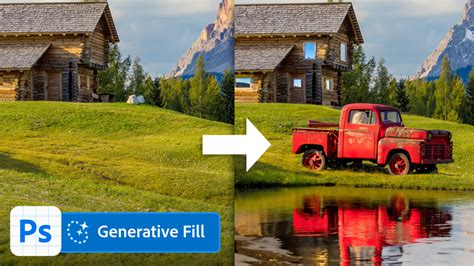
For instance, imagine needing to extend the background of a photograph. With Generative Expand, you can simply drag the canvas outwards, and Photoshop, powered by Firefly, will intelligently fill the new space with content that seamlessly matches the existing image. Similarly, Generative Fill allows you to select an area and describe what you want to add or change using text prompts, like "add a fluffy white cat sitting on the grass," and Photoshop will generate realistic options. This technology is a game-changer, democratizing complex image manipulation and opening up new avenues for creative expression.
Projects and Collaboration Tools
Adobe has introduced a new Projects (beta) feature in Photoshop that simplifies organizing and collaborating on creative work. This addition allows you to group assets, layers, and files into a shared space, reducing the need to juggle multiple folders or local drives. Projects help smooth teamwork and client workflows by keeping everything in one place, making it easier to present consistent versions and avoid confusion over file changes-especially useful for multi-layered campaigns or collaborative artistic briefs. This feature is particularly beneficial for teams working remotely or on projects with numerous stakeholders, ensuring everyone is working with the latest and most relevant assets.
Collaborative Workflows for Fiim & Video Using Creative Cloud (IBC 2018) | Adobe Creative Cloud
Expanded Creative Cloud Pro Benefits
With the evolution of Creative Cloud Pro, Photoshop users now get access to a broader suite of performance and workflow enhancements across Creative Cloud apps. Subscribers receive features such as more than 30,000 fonts, unlimited library storage, and millions of high-resolution stock assets that can jumpstart creative work. Additionally, performance upgrades across apps, including faster selection, refined masking, and improved integration with Lightroom and Adobe Express, help streamline everyday tasks and boost productivity. This integrated ecosystem ensures that your tools work harmoniously, allowing for a more fluid and efficient creative process.
Photoshop Beyond the Desktop: Mobile and Web Versions
Adobe has expanded Photoshop beyond desktop with new mobile and web versions designed to bring powerful image editing tools to phones and browsers. These versions include core Photoshop functionality such as layering, masking, precise selections, and headline features like Firefly-powered generative editing, allowing creators to start and continue projects on the go. This cross-platform flexibility is ideal for artists who need to work seamlessly between desktop, mobile, and browser environments, expanding where and how creative work can be done. For example, you could sketch out an idea on your tablet using Photoshop on the web, refine it on your desktop, and make final touch-ups on your phone.
Still a Creative Powerhouse
Adobe Photoshop CC remains a dependable choice for users who need professional photo editing, deep creative control, and broad format support. The software offers unmatched flexibility for image adjustments, design work, and creative tasks, though its complexity and hardware demands can challenge beginners or casual users. For those willing to invest the time in learning its intricate features, Photoshop provides a virtually limitless canvas for imagination. Its continuous evolution, particularly with the integration of AI and cloud-based collaboration, ensures it will remain an indispensable tool for creatives for years to come.
While this guide focuses on getting into Photoshop CC and its capabilities, it's worth noting that the software landscape includes other powerful tools like Adobe Illustrator CC for vector graphics and Corel Painter for digital painting. Furthermore, specialized plugins like Imagenomic Noiseware can enhance specific editing tasks. For those exploring alternatives or complementary software, understanding their unique strengths is also part of a well-rounded creative education.