The allure of gold is undeniable. It speaks of luxury, sophistication, and timeless elegance. From ancient artifacts to modern branding, gold has consistently signified value and prestige. However, when it comes to translating this rich, metallic sheen into the realm of print, designers often face a significant challenge: the limitations of the CMYK color model. Unlike its real-world counterpart, CMYK inks, a blend of cyan, magenta, yellow, and black, cannot inherently replicate the reflective and luminous qualities of actual gold. This fundamental difference means that achieving a true "gold" in print is less about finding a single, definitive CMYK code and more about skillful approximation and understanding the nuances of color perception.
Why CMYK Falls Short for True Gold
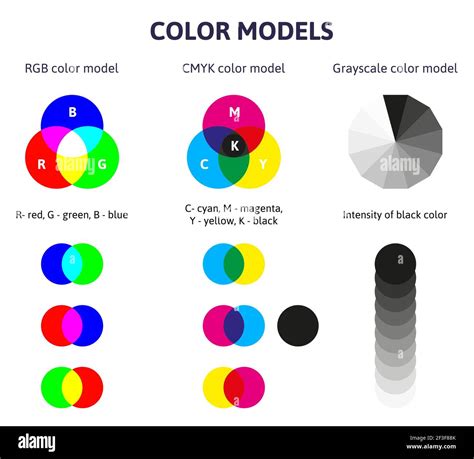
The core of the issue lies in the very nature of the CMYK color model. CMYK is a subtractive color system, meaning it works by absorbing light. When you mix cyan, magenta, yellow, and black inks, you are essentially subtracting wavelengths of light to create the desired color on a white surface. This process, while effective for a vast spectrum of colors, is incapable of producing the characteristic shimmer and reflectivity that defines metallic gold. Actual gold possesses a lustrous finish because its surface reflects light in a particular way, creating a dynamic interplay of highlights and shadows. CMYK inks, being flat and opaque, can only simulate this effect by using yellow and orange tones, perhaps with a touch of black for depth, but they lack the inherent metallic sheen.
This limitation means that any CMYK representation of gold is an interpretation, a visual approximation rather than a direct reproduction. The perceived "goldness" will also be influenced by external factors such as the specific shade of gold desired - whether it’s a bright, sunny yellow gold, a more subdued antique gold, or a reddish, rose gold. Furthermore, the material onto which the color is printed, be it matte paper, glossy cardstock, or even textured fabric, will significantly alter how the inks appear. The lighting conditions under which the printed piece will be viewed also play a crucial role; a printed gold that looks convincing under bright office lights might appear dull in natural daylight or dim evening illumination.
The Subjectivity of "Gold" in Design
Adding another layer of complexity is the subjective nature of color perception. What one person considers a perfect representation of gold, another might perceive differently. This inherent variability means that designers often develop their own preferred CMYK mixes to achieve what they believe is the closest approximation of gold. This artistic interpretation is further shaped by the context in which the "gold" is used within a design. For instance, printing golden letters on a black background will yield a vastly different visual impact than printing an abstract golden ornament on a white surface, or a realistic image of a golden ring. The surrounding colors and the overall design composition all contribute to how the simulated gold is perceived.
Exploring CMYK Equivalents and Their Limitations
While a perfect CMYK gold is unattainable, designers have developed various CMYK values that approximate the color. These values are often derived from established color codes that aim to capture the essence of gold. For instance, a commonly cited RGB value for a rich gold is #D3AF37, which translates to approximately 82.7% red, 68.6% green, and 21.6% blue. When attempting to convert this to CMYK, the results can vary depending on the color profiles used, but a typical approximation might involve a significant amount of yellow, with smaller percentages of magenta and black, and little to no cyan.
Another widely recognized "gold" color, often found in digital contexts, has the hex code #FFD700. This value, when translated to RGB, is 100% red, 84% green, and 0% blue. For print, this translates to CMYK values of 0% cyan, 16% magenta, 100% yellow, and 0% black. This specific CMYK mix, with its strong emphasis on pure yellow and a touch of magenta, is frequently used to create a vibrant, "golden" appearance in print.
However, it's crucial to understand that these CMYK values are still simulations. They lack the metallic luster that makes real gold so captivating. To enhance the perception of gold in print, designers often employ techniques like spot UV varnishing or foil stamping, which add a physical sheen or metallic layer to the printed output, bridging the gap between the flat CMYK representation and the desired effect.
How To Get Metallic Finishes On 3D Prints
Variations and Related Hues
Beyond the primary approximations, designers explore a range of related hues to capture different facets of gold and metallic tones. These variations can add depth and nuance to a design, allowing for a more sophisticated use of golden palettes.
- Gold (#efbf04): This shade shares a warm and lustrous tone with metallic gold, embodying a golden hue that hints at opulence and elegance, making it perfect for conveying luxury.
- Brass (#b5a642): Brass evokes a metallic sheen similar to metallic gold, offering a slightly deeper, more muted golden hue that embodies an antique and refined appearance.
- Ochre (#CC7722): Ochre possesses a warm, earthy tint with a hint of gold metallic colour, reflecting a rustic yet luxurious tone that resonates with metallic palettes.
- Amber (#ffbf00): Amber captures a bright, reflective surface with its golden hue, reminiscent of natural golden tones found in metals, adding a vibrant touch to a metallic finish.
These related colors, while not identical to pure gold, offer designers a broader spectrum of warm, metallic-inspired tones to incorporate into their projects, allowing for more nuanced visual storytelling.
Strategic Color Pairings for Metallic Gold
The effectiveness of any simulated gold in print is significantly amplified by the colors it is paired with. Thoughtful color combinations can enhance the perceived richness, sophistication, and impact of the golden elements.
Complementary Colors that Enhance Metallic Gold:
- Aubergine (#372528): This deep purple-brown hue brings out the richness and luxurious tone of Metallic gold, enhancing its opulence and adding depth to any palette.
- Emerald (#50C878): The vibrant green of Emerald creates a striking contrast with the golden hue, evoking a sense of sophistication and balance within a metallic gold palette.
- Peacock Blue (#096c6c): This teal shade, with its shiny texture, offers a bold yet harmonious partner to the lustrous appearance of Metallic gold, creating a regal and compelling combination.
- Burgundy (#660033): The dark, wine-like tone of Burgundy complements the metallic finish of gold with its warm and rich undertones, perfect for a cohesive and elegant design.
- Slate Gray (#6d8196): The subtle neutrality of Slate Gray allows the reflective surface of Metallic gold to stand out, providing a modern and sleek background that highlights gold’s luxurious tone.
These pairings leverage contrast and harmony to make the golden elements pop, creating visually appealing and impactful designs.
Colors to Approach with Caution When Pairing with Gold
Conversely, certain colors can inadvertently diminish the impact of gold or create an unharmonious visual experience. When aiming for a sophisticated and luxurious feel, it's often best to avoid clashing with these vibrant or competing hues.
- Neon Pink (#FF13F0): The vibrant hue of neon pink can overpower the elegant subtleness of metallic gold, creating a disharmonious and flashy combination.
- Bright Yellow (#FFED29): Bright yellow competes with metallic gold, causing visual tension as both colors fight for attention given their similar energetic brightness.
- Neon Green (#2CFF05): The stark, vivid nature of neon green creates jarring contrast against the opulent charm of metallic gold, resulting in a visually abrasive pairing.
- Burgundy (#660033): While a specific shade of burgundy can complement gold, a darker, more intense burgundy might overshadow metallic gold’s reflective quality, leading to a mismatched and heavy appearance. [Note: There seems to be a slight contradiction here as Burgundy is listed as both complementary and a color to approach with caution. This highlights the nuance and importance of specific shades and contexts.]
- Scarlet (#ED2100): The bold intensity of scarlet can clash with metallic gold’s warm glow, as they both vie for dominance, potentially creating an overwhelming visual impact.
Understanding these potential clashes helps designers make informed decisions, ensuring that the gold in their designs truly shines.
Designing for Accessibility with Gold Tones
In user experience (UX) and user interface (UI) design, accessibility considerations are paramount. When incorporating gold tones, especially for text or interactive elements, designers must ensure sufficient contrast against their backgrounds to meet Web Content Accessibility Guidelines (WCAG). Tools and plugins, such as those available in Figma's Community, can assist in checking color contrast ratios. For example, the color code #D3AF37 (a common gold approximation) on a white background (#FFFFFF) might fail contrast tests for normal text, indicating that it's not suitable for conveying critical information to users with visual impairments. Designers need to be mindful of these requirements, perhaps opting for darker gold shades or using gold as an accent rather than for primary text.

The journey to effectively use "gold" in print is an ongoing exploration of color theory, material properties, and perceptual psychology. While CMYK offers a pathway to simulate the color, the true magic of gold often lies in the designer's ability to understand its symbolic meaning and to employ creative techniques that evoke its luxurious essence.