Graffiti is a vibrant and dynamic artistic expression that typically adorns public spaces like buildings, walls, and trains. It's a visual language that speaks of urban culture, rebellion, and creativity. For digital artists and designers looking to capture this raw energy, the world of graffiti fonts in Photoshop offers a powerful toolkit. Whether you aim to transform your name into a spray-painted masterpiece or infuse your designs with an authentic urban edge, understanding and utilizing these fonts is key.
The Allure of Graffiti Lettering
Graffiti lettering, at its core, is about transforming plain text into something visually striking and unique. It's not just about changing the typeface; it's about embodying a style. The essence of graffiti font design lies in its departure from traditional typography. Instead of clean, uniform lines and predictable curves, graffiti fonts often feature bold strokes, exaggerated serifs, dynamic angles, and a sense of movement. They can mimic the spontaneous spray-painted look, the intricate hand-drawn lettering found in tags and throw-ups, or the more elaborate, stylized pieces that dominate urban landscapes. The goal is to convey a feeling - be it edgy, playful, sophisticated, or rebellious - all through the visual arrangement of letters.
Exploring the Diverse Landscape of Graffiti Fonts
The term "graffiti font" encompasses a surprisingly broad spectrum of styles, each with its own character and application. When you encounter a "graffiti generator" that promises to make your name look "spray-painted in the city," you're tapping into this rich diversity. The provided data points to a variety of these styles:
- Dripping Graffiti: This style mimics the effect of paint running down a surface, creating a sense of immediacy and organic flow. The letters might appear to melt or drip, adding a raw, unfinished aesthetic.
- Brush Graffiti: Evoking the bold, sweeping strokes of a brush, this style can range from thick, painterly lettering to more delicate, calligraphic lines. It often possesses a hand-crafted feel, emphasizing texture and fluidity.
- Handwriting Graffiti: As the name suggests, this category aims to replicate the look of handwritten tags and signatures. It can be messy, spontaneous, and highly personal, capturing the essence of individual artistic expression.
- Cool Graffiti: This is a broad descriptor, often implying a modern, stylish, and aesthetically pleasing interpretation of graffiti. It might incorporate sharp angles, dynamic compositions, and a polished finish.
- Poster Graffiti: Designed for impact, these fonts are often bold, large-scale, and attention-grabbing, suitable for creating striking visual statements in posters and other display graphics.
- Decorative Graffiti: This style goes beyond basic lettering, incorporating embellishments, ornaments, and intricate details to enhance the visual appeal. It's often used for titles and headlines where a unique aesthetic is desired.
- Modern Graffiti: Reflecting contemporary urban art trends, these fonts might blend traditional graffiti elements with cleaner lines, geometric shapes, or futuristic aesthetics.
- Script Graffiti: This style focuses on cursive or flowing letterforms, often with a sense of movement and elegance, reminiscent of stylized calligraphy.
- Bold Graffiti: Characterized by thick, substantial strokes, these fonts exude confidence and power, making them ideal for strong headings and impactful statements.
- Logo Graffiti: Tailored for branding, these fonts are designed to be memorable and distinctive, often abstracting letterforms to create a unique visual identity.
- Fancy Graffiti: This term suggests a more elaborate, ornate, or whimsical approach to graffiti lettering, possibly incorporating flourishes and decorative elements.
- Lettering Graffiti: This broad category emphasizes the art of arranging letters as a design element, focusing on form, composition, and visual harmony.
- Calligraphy Graffiti: Merging the elegance of traditional calligraphy with the urban energy of graffiti, this style often features flowing strokes, varying line weights, and a refined yet expressive character.
- Halloween Graffiti: A thematic font style, likely incorporating spooky or eerie elements, perfect for seasonal designs.
- Paint Graffiti: This font style aims to replicate the appearance of paint, whether it's the texture of spray paint, the drips, or the brush strokes.
- Tattoo Graffiti: Inspired by tattoo art, these fonts often feature bold outlines, shading, and a durable, impactful look suitable for body art designs.
- Retro Graffiti: Drawing inspiration from past eras, these fonts might incorporate vintage design elements, color palettes, and stylistic nuances.
- Cartoon Graffiti: This playful style often features rounded shapes, exaggerated features, and a lighthearted, animated aesthetic.
- Hand Lettering Graffiti: Similar to handwriting graffiti, this emphasizes the skill of drawing letters by hand, often resulting in unique and artistic compositions.
- Graffiti Design: A comprehensive term that encompasses the overall artistic planning and execution of graffiti-style lettering within a design context.
- Fun Graffiti: Suggests a lighthearted, energetic, and perhaps slightly whimsical approach to graffiti lettering.
- Grunge Graffiti: This style incorporates rough textures, distressed effects, and a raw, gritty aesthetic, reflecting a more rebellious and urban feel.
- Rough Graffiti: Emphasizes a coarse, unrefined, and textured appearance, mimicking the often imperfect nature of street art.
The sheer volume of results (1460, with 17607 downloads mentioned) indicates a vast and active community of font creators and users dedicated to this style. The pagination (1234 Next) further suggests a significant library of options available.
Generating Your Own Urban Masterpiece
For those seeking to create their own graffiti-style text, digital tools offer accessible entry points. A "graffiti generator" is an online application that allows users to input text and select from various graffiti styles to produce an image that mimics spray-painted lettering. These generators often provide a quick and easy way to experiment with different looks without needing extensive design skills or specialized software. They are particularly useful for:
- Personalizing Names and Monograms: Creating a unique tag or signature that reflects your identity.
- Designing Social Media Graphics: Adding an urban flair to profile pictures, banners, or posts.
- Generating Unique Headlines: Making titles and slogans stand out with an artistic edge.
- Prototyping Ideas: Quickly visualizing how a graffiti style might look for a project.
While generators offer convenience, for more control and professional results, Photoshop remains the industry standard.

Leveraging Photoshop for Advanced Graffiti Effects
Photoshop provides unparalleled flexibility for working with and creating graffiti fonts. Here's how you can harness its power:
1. Finding and Installing Graffiti Fonts
The first step is to acquire suitable fonts. Numerous websites offer free and premium graffiti fonts. When searching, use keywords like "graffiti font," "urban font," "spray paint font," or specific style terms like "dripping font" or "brush script font."
- Installation: Once downloaded, fonts are typically in
.ttf(TrueType Font) or.otf(OpenType Font) format. To install them on Windows, right-click the font file and select "Install." On macOS, double-click the font file and click "Install Font" in the Font Book application.
2. Applying Fonts in Photoshop
- Text Tool (T): Select the Text Tool, click on your canvas, and type your desired text.
- Font Selection: In the Options bar at the top, or in the Character panel (Window > Character), select your newly installed graffiti font from the dropdown menu.
- Character Panel Deep Dive: The Character panel is your command center for typographic control. Here you can adjust:
- Font Size: Make your text larger or smaller.
- Leading (Line Spacing): Control the vertical space between lines of text.
- Kerning: Adjust the space between specific pairs of letters to improve visual appeal and readability. This is crucial for graffiti fonts, where letter spacing can dramatically impact the overall flow.
- Tracking: Adjust the overall spacing between all characters in a selected range of text.
- Horizontal/Vertical Scaling: Stretch or condense your letters.
- Baseline Shift: Raise or lower text relative to its normal position, useful for creating overlapping or staggered effects.
- Faux Bold/Italic: While not ideal for professionally designed fonts, these can sometimes add a subtle emphasis.
3. Enhancing Graffiti Fonts with Photoshop Effects
Simply applying a font is often just the beginning. To truly capture the essence of graffiti, you'll want to add layers of realism and style using Photoshop's powerful tools:
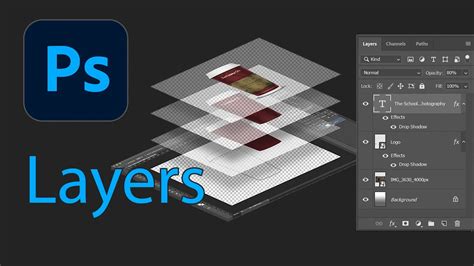
Layer Styles: These are non-destructive effects applied to layers.
- Drop Shadow: Mimics the shadow cast by spray paint, adding depth and making the text appear to lift off the surface. Experiment with distance, spread, and size for a realistic effect.
- Inner Shadow: Creates a shadow within the edges of the letters, giving them a beveled or chiseled look.
- Outer Glow/Inner Glow: Can simulate light reflections or the subtle halo effect around spray paint.
- Bevel and Emboss: Adds dimension by simulating highlights and shadows on the letterforms, making them appear raised or indented. Adjust the angle, depth, and contour to match the desired style.
- Stroke: Adds an outline to the letters, a common feature in many graffiti styles (e.g., a thick black outline around colorful fill).
- Gradient Overlay: Apply vibrant gradients to fill the letters, mimicking the varied colors often seen in graffiti pieces.
- Pattern Overlay: Use textures like concrete, brick, or even distressed paper to add a background to your letters.
Brushes: Photoshop's brush engine is invaluable for creating authentic graffiti effects.
- Spray Paint Brushes: Download or create custom brushes that simulate spray paint splatters, cans, and mist. Use these to add texture, overspray, or to "paint" around your letters. Varying brush size, opacity, and flow is key to realism.
- Drip Brushes: Use brushes designed to create realistic paint drips running down from the letters. Adjust their length and thickness.
- Texture Brushes: Apply rough, gritty, or textured effects directly onto the letters to simulate worn paint or rough surfaces.
Filters:
- Distort Filters (e.g., Wave, Twirl, Ripple): Can be used subtly to add a warped or distorted effect, mimicking the way paint might behave on uneven surfaces or the distortion from a wide-angle spray can.
- Blur Filters (e.g., Gaussian Blur): Can be used to create soft edges or depth-of-field effects.
- Noise Filter: Adds a grainy texture, enhancing the gritty feel of some graffiti styles.
Layer Blending Modes: Experiment with blending modes (e.g., Multiply, Screen, Overlay) to integrate your text with background textures or to create interesting color interactions. For instance, using Multiply for shadows or Screen for highlights.
Clipping Masks: Use clipping masks to confine textures, patterns, or effects to the shape of your letters. This is an efficient way to apply a complex texture only within the boundaries of the text.
Transformations and Warping: Use Free Transform (Ctrl/Cmd + T) and its Warp feature to bend, twist, and distort your text, giving it a more dynamic, three-dimensional appearance as if it's conforming to a curved surface.
Understanding the "Why" Behind the Style
Graffiti fonts aren't just about aesthetics; they often carry cultural significance. The styles you see - from the bold, blocky lettering of a "throw-up" to the intricate, flowing lines of a "wildstyle" piece - evolved for specific reasons within the graffiti subculture.
- Speed and Legibility: Early graffiti often prioritized quick execution. Throw-ups, characterized by bubble letters and a quick outline, were designed to be produced rapidly.
- Style Wars: As graffiti evolved, artists began developing increasingly complex and personalized styles to distinguish themselves and compete for recognition. This led to the development of elaborate lettering, abstract forms, and unique character designs.
- Anonymity and Identity: Tags, the artist's signature, are fundamental. Graffiti fonts allow individuals to create a distinct digital signature that mirrors this aspect of the art form.
- Urban Aesthetics: The very nature of graffiti is tied to the urban environment. Fonts that mimic spray paint, drips, and distressed textures directly reference this context.
Beyond the Font: Creating a Complete Graffiti Scene
To elevate your designs from simple text to a full-blown graffiti piece, consider these additional elements:
- Background Textures: Use images of brick walls, concrete, metal, or distressed surfaces as backgrounds. Apply blending modes and adjustments to make your text integrate seamlessly.
- Spray Paint Effects: Use brushes to add overspray, splatters, and drips around your text. Consider adding subtle highlights and shadows to give the impression of light hitting the spray.
- Drips and Runs: Simulate paint running down the wall from the letters. This can be done with custom brushes or by carefully drawing the drips with the Pen Tool.
- Layering and Depth: Stack multiple text layers with different effects and opacities to create a sense of depth, as if one piece is partially obscured by another.
- Color Palettes: Study real graffiti art for inspiration on color combinations. Often, bold, contrasting colors are used, or harmonious palettes that complement the background.
- Character Elements: Some graffiti styles incorporate characters or abstract shapes alongside the lettering. You can find or create these elements to add complexity to your design.
Spray Painted Stencil Text Effect | Photoshop Tutorial with Free Textures
Considerations for Different Audiences
The beauty of graffiti fonts is their versatility. Whether you're creating something for a professional branding project or a fun personal graphic, the approach can be adapted:
- For a 5th Grader: Focus on simpler, bolder styles like "Cartoon Graffiti" or "Fun Graffiti." Use bright, primary colors and easy-to-understand effects like simple outlines and drop shadows. Generators can be particularly helpful here.
- For a Teenager: Explore styles like "Cool Graffiti," "Handwriting Graffiti," or "Modern Graffiti." Incorporate more dynamic arrangements, bolder color schemes, and perhaps some dripping effects.
- For a Graphic Designer: Dive into the nuances of "Script Graffiti," "Calligraphy Graffiti," and "Logo Graffiti." Focus on precise kerning, sophisticated layering, realistic textures, and subtle integration with backgrounds. The goal is often to create a unique brand identity or a visually compelling piece of art.
- For a Professional Artist: The sky's the limit. This involves not just applying a font but potentially creating custom lettering from scratch using Photoshop’s tools, mimicking specific real-world graffiti techniques, and understanding the historical and cultural context of different graffiti styles.
Avoiding Common Pitfalls
When working with graffiti fonts, it's easy to fall into common traps:
- Overuse of Effects: Applying too many layer styles or filters can make the text look cluttered and unprofessional. Less is often more.
- Poor Legibility: Some extreme graffiti styles can be difficult to read. Always consider the purpose of your text. If it needs to convey information clearly, opt for more legible styles or ensure sufficient contrast and spacing.
- Generic Designs: Relying solely on a single font without adding custom effects or unique arrangements can result in a design that looks like many others.
- Ignoring Context: Using a gritty, urban graffiti font for a formal wedding invitation, for example, would be incongruous. Always match the font style to the project's theme and audience.
- Copyright Issues: Be mindful of font licenses. While many fonts are free for personal use, commercial use often requires purchasing a license.
By understanding the diverse range of graffiti fonts, mastering Photoshop's tools, and considering the underlying artistic principles, you can effectively transform ordinary text into striking, urban-inspired creations that capture the dynamic spirit of graffiti art. Whether you're using a simple generator or delving deep into Photoshop's capabilities, the journey of creating with graffiti fonts is an exciting exploration of digital artistry.