Bird reproduction, a process as fundamental as it is fascinating, orchestrates the continuation of avian species across the globe. While seemingly straightforward - a male and female unite, eggs are laid, and young emerge - the reality is a complex tapestry of behaviors, physiological adaptations, and evolutionary strategies. This intricate dance begins long before copulation, with elaborate courtship rituals designed to attract a mate, and extends through the diligent care of offspring, showcasing the remarkable diversity within the avian world.
The Prelude to Procreation: Courtship and Mate Selection
The journey of bird reproduction commences with the critical step of attracting and selecting a suitable mate. This process, known as courtship, is a vibrant display of natural selection in action. Males, in particular, often undergo a transformation, donning their most striking breeding plumage - a dazzling array of bright feathers - to catch the eye of potential females. These visual spectacles are frequently accompanied by intricate vocalizations, with males singing specific courtship songs designed to impress. Beyond plumage and song, many species engage in elaborate, ritualized mating "dances." These displays can involve a variety of movements, such as spreading tail feathers, intricate footwork, and synchronized movements, all aimed at demonstrating fitness and desirability.
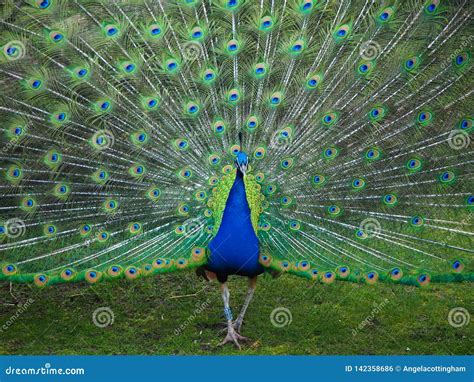
The female, acting as the discerning judge, observes these performances, assessing the quality and health of the competing males. This selection process is crucial, as it influences the genetic makeup of the next generation. While typically males perform the bulk of courtship behaviors, the female's choice is paramount. In many species, birds form pair bonds that can last for a single breeding season or even a lifetime, highlighting the significance of successful mate selection. The formation of these pairs is not merely a casual arrangement; it often involves the establishment and defense of a territory, an area crucial for nesting and resource acquisition. The size and nature of these territories vary significantly, with large raptors defending vast expanses, while smaller passerines might claim a more modest patch. In colonial nesters like seabirds, the territory might be reduced to a small area immediately surrounding the nest.
The Mechanics of Mating: The Cloacal Kiss and Beyond
Once a mate has been chosen and courtship rituals have paved the way, the act of mating itself takes place. Unlike mammals, birds possess a unique reproductive anatomy. Both male and female birds share a single opening called the cloaca, or avian vent, located at the base of their tail feathers. This versatile opening serves as the exit point for reproductive cells, waste products (feces and urine), and in females, the passage for eggs. Internally, within the body cavity, males have testes and females have ovaries.
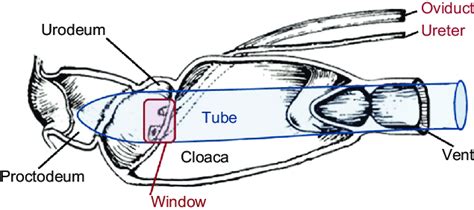
The most common method of sperm transfer in birds is through a process colloquially termed the "cloacal kiss." This involves the male mounting the female from behind, a brief balancing act that requires precision. The female arches her back and moves her tail feathers to the side, exposing her cloaca. The male then brings his cloaca into contact with hers, allowing sperm to pass from his cloaca to hers. This act is remarkably brief, often lasting less than a second. To increase the chances of successful insemination, birds may perform multiple cloacal kisses.
However, there is a notable exception to this rule: waterbirds. Species such as ducks, geese, and swans, along with ratites, have evolved a more direct method of sperm transfer. In these birds, the male's cloaca can extend into a penis-like structure, which is inserted into the female's cloaca for insemination. This adaptation is thought to be a response to the challenges of mating in aquatic environments, where sperm transfer via cloacal contact alone would be easily washed away.
The efficiency of sperm transfer in most birds is surprisingly low. Scientists estimate that only a small percentage, often between 1% and 2%, of the sperm ejaculated actually makes it into the female. This low success rate underscores the importance of multiple mating attempts and the potential for females to store sperm from various partners. Indeed, it is not uncommon for a female bird to have sperm from several different males within her reproductive tract, leading to the possibility of her eggs being fertilized by multiple fathers.
The Genesis of New Life: Egg Formation and Laying
Following successful insemination, the female's reproductive system gears up for egg production. The timing of egg formation can vary significantly, taking anywhere from a couple of days to several months after mating. This variability allows females to store sperm and time egg-laying with optimal environmental conditions.
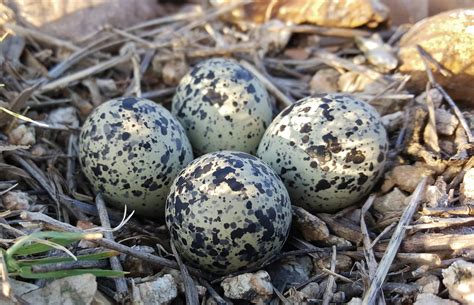
When the egg is fully formed within the female, it is deposited in a nest. Bird nests exhibit an astonishing diversity in their construction, materials, and locations. Some nests are rudimentary, consisting of little more than a shallow depression in the ground, often camouflaged to blend with the surroundings. Others are marvels of avian engineering, such as the elaborate woven nests of weaver birds. Nests can be found in trees, bushes, rock crevices, on the ground, and even in cavities within trees. The materials used are equally varied, ranging from plant matter like twigs, grasses, mosses, and lichens, to animal materials such as feathers, hair, spider silk, and even saliva mixed with mud. The construction of the nest can be a collaborative effort between the pair or undertaken by one parent while the other focuses on territory defense or foraging. Some birds even resort to stealing pre-built nests or engaging in nest parasitism, laying their eggs in the nests of other species.
The number of eggs laid, known as a clutch, also varies greatly among species. Some birds, like penguins and albatrosses, lay only one egg, while others, such as chickens and ducks, can lay more than ten.
Nurturing the Future: Incubation and Parental Care
Once the eggs are laid, the crucial process of incubation begins. This involves the parents providing warmth to the eggs, typically through a specialized area on their belly called the brood patch. This patch is characterized by a lack of feathers and a rich supply of blood vessels, facilitating efficient heat transfer. Incubation usually commences after the last egg has been laid, though some species start incubating with the first egg.
The level and duration of parental care in birds are remarkably diverse, reflecting different life history strategies. In many monogamous species, both parents share the responsibilities of incubation and, subsequently, caring for the hatchlings. This shared parental investment is a notable characteristic of birds, as male parental care is less common in many other vertebrate groups.
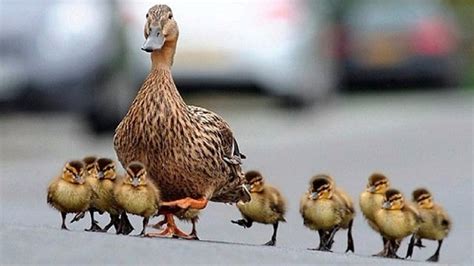
The nature of the hatchlings themselves dictates the type of parental care required. Nidifugous hatchlings, such as those of ground-nesting birds like ducks and chickens, are relatively well-developed at hatching. They are typically covered in down, have their eyes open, and are capable of walking and foraging soon after emerging from the egg. While they can feed themselves, they remain under the watchful protection of their parents.
In contrast, nidicolous hatchlings, common in species that nest off the ground in trees or bushes, are born naked, blind, and utterly helpless. These altricial young are entirely dependent on their parents for warmth, protection, and food for weeks or even months. This extended period of dependence allows them to learn vital survival skills from their parents before venturing out on their own.
At the extreme end of parental care, some seabirds, like the Great Frigatebird, provide intensive care for their young for up to 20 months after hatching, continuing to feed them even after they have fledged. Conversely, some birds, like the magapodes, exhibit minimal parental care, with hatchlings emerging from self-dug nest mounds capable of immediate self-sufficiency.
LIFECYCLE OF A BIRD
The mating system also influences parental care. In polygynous species, where a male mates with multiple females, the female typically bears the primary responsibility for incubation and chick-rearing. In polyandrous systems, where a female mates with multiple males, the roles might be reversed or shared differently. However, monogamy, where a male and female form a pair bond, is the most common mating system in birds, with approximately 90% to 95% of species exhibiting this behavior. This often leads to a more equitable distribution of parental duties, ensuring the successful upbringing of their young.
Understanding the intricacies of bird reproduction provides a profound appreciation for the diverse strategies employed by these feathered creatures to ensure the survival and propagation of their species. From the elaborate courtship dances to the dedicated incubation and nurturing of their young, each step in the reproductive cycle is a testament to the power of evolution and the resilience of life.