The process by which domestic cats reproduce is a fascinating biological ballet, governed by instinct, physiology, and environmental cues. From the cyclical nature of a female cat's readiness to mate to the specific behaviors that facilitate conception, understanding feline procreation offers insight into the species' survival strategies. This exploration delves into the mechanics of cat mating, pregnancy, and birth, highlighting the critical role of both male and female cats in perpetuating their lineage.
The Estrus Cycle: A Queen's Readiness to Mate
Female cats, known as queens, are seasonally polyestrous. This means they experience recurring heat cycles, or estrus, typically between January and October. Without the influence of artificial light, queens often enter a period of anestrus, ceasing their cycles during the months of October, November, and December. The duration of estrus can vary significantly, usually lasting around seven days, but can range from as short as three days to as long as 21 days. If a queen does not become pregnant during a heat cycle, she will eventually go out of heat, only to develop another set of ovarian follicles and enter estrus again, repeating this process in waves throughout the breeding season. The interval between these heat cycles is variable, but on average, it stands at about eight days.
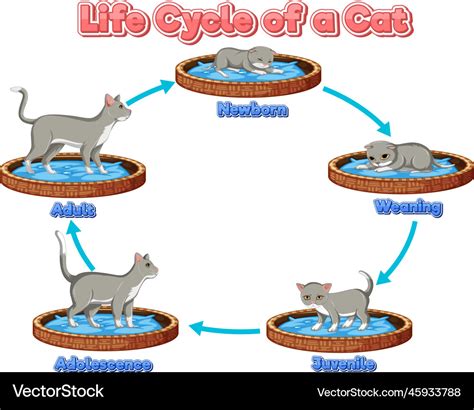
When a queen enters heat, her behavior changes noticeably. She will exhibit rubbing and rolling actions, accompanied by moaning vocalizations, all indicative of her readiness to mate and her desire to be treated with special attention. This period of heightened receptivity is crucial for successful reproduction. If a queen is not treated appropriately during pregnancy, there is a risk of losing kittens, underscoring the importance of attentive care.
The Mechanics of Feline Mating
The act of mating in cats is triggered by specific physiological responses. Queen cats ovulate upon stimulation of the pelvis and the entrance of the male's penis into the vagina. This induced ovulation is a key characteristic of feline reproduction. The mating process itself involves a series of distinct behaviors. The male cat, often referred to as a tomcat, will typically grasp the queen by the scruff of her neck and mount her, rubbing his pelvis against hers. In response, the queen usually adopts a characteristic posture: lowering her front end while raising her rear, moving her tail to the side. This stance, coupled with pelvic pressure, signals her readiness and stimulates the male to proceed with breeding.
The timing of the male's approach is critical. Experienced tomcats will wait until the queen is fully receptive and allows him to grasp her by the scruff before attempting to mount. Inexperienced males, however, may rush the process and attempt to breed before the queen is ready. This often results in the female aggressively repelling the male, a behavior that can be misinterpreted as a lack of willingness to mate when, in reality, the queen is simply too early in her cycle for "standing heat."
Wild Feral Cat Mating Courtship Documentary
Evaluating the success of a mating act can be challenging, particularly in determining whether semen was successfully deposited. Microscopic examination of vaginal slides taken immediately after copulation can confirm the presence of sperm, offering a concrete indicator of potential fertilization. For successful ovulation and conception, multiple copulations are often necessary. Tomcat who court, mount, and breed several times are more likely to ensure ovulation. Ovulation is dependent on pelvic stimulation and copulation, with the maximum effect achieved through eight to 12 copulations within a short period. Fertility rates are significantly lower with only four copulations.
Post-Mating Reactions and Fertility Concerns
Following a successful mating, the queen cat often emits a loud scream or yowl. This is typically followed by vigorous rubbing or rolling on the ground, usually from side to side. This intense reaction is believed to be a response to the pain caused by the barbs on the male's penis, which aid in inducing ovulation. After this immediate reaction subsides, the female may once again solicit the attention of the tomcat, indicating a potential for further mating.
When a male cat is known to be fertile, and a female fails to become pregnant, the cause can often be attributed to a lack of ovulation by the queen. In catteries, dominant queens can sometimes create issues. A spayed dominant female, for instance, might suppress estrus behavior in a more submissive queen. Experienced breeders sometimes miss heat cycles, and in such cases, it is advisable to separate the aggressive queen from the submissive one, preventing interaction for a period. It is also recommended to mate a shy queen with an experienced tomcat and to place the queen in the breeding pen by herself for several hours prior to the intended mating. While it has been reported that queens may show a preference for a particular male, this behavior is considered unusual. Most feline breeding behavior is geared towards attracting males, and queens will often seek out a tomcat by showing him attention when exposed to him. If a queen rejects a male, it might be necessary to induce ovulation by introducing a sterile swab into the vagina and holding the female so the male can breed, though this requires a cooperative male and female.
Pregnancy and Gestation: Nurturing New Life
Once a queen has been successfully bred, managing her like a "queen" becomes critical for embryo success. Implantation of the fertilized eggs typically occurs around day 15 of gestation. For pet owners, understanding the signs of pregnancy is essential. At approximately 15-18 days into her pregnancy, a cat's nipples will become enlarged and turn red. Owners may also notice a swollen abdomen and an increased appetite. Nesting behavior, where the cat seeks out a quiet, secluded spot like a cupboard or under a bed to prepare for birth, is another common sign.
The gestation period for cats lasts about nine weeks, with the average length being 63-65 days. During pregnancy, a queen requires approximately 25% more food, and this increased nutritional need continues until the kittens are weaned. A protein-rich kitten food is considered an ideal supplement during this period. A mother cat (Queen) will generally continue her usual daily routine until the final week of her nine-week term, at which point she will find a suitable location to await the birth of her kittens.

A significant aspect of feline reproduction is the potential for a cat to become pregnant again very quickly after giving birth. Nursing her kittens does not prevent pregnancy, and a queen's next heat cycle may occur just a few weeks after her kittens are born. This rapid reproductive cycle underscores the importance of spaying or neutering pets to manage pet overpopulation.
Litter Size and Birth Process
Litter sizes in domestic cats typically range from 4 to 6 kittens, although litters of up to 9 or even 10+ are possible. The gap between the delivery of each kitten during birth can vary from 10 to 60 minutes. The birthing process, or parturition, is generally divided into three stages.
The first stage of labor usually lasts between 12 and 36 hours and is characterized by "going into labor" signs. These include restlessness, pacing, vocalization, excessive grooming, and panting. This is the preparatory phase where the body is getting ready for delivery.
The second stage of labor is when the cat actually gives birth to her kittens. Uterine contractions will build and become more frequent, typically with intervals of 2-3 minutes. The amniotic fluid will usually appear first, followed by active straining. It typically takes about 30 minutes to an hour from the onset of active straining for the first kitten to emerge. Kittens can be born either head-first or rear-paws first. After a kitten is born, the mother will instinctively break the amniotic sac, chew the umbilical cord, and begin to clean her newborn. The placenta is usually passed after each kitten is born. It is important for the owner to count each kitten and each placenta to ensure that no placentas are retained within the mother, as retained placentas can lead to infection. If a retained placenta is suspected, veterinary attention should be sought immediately.
The third stage of labor involves the passing of the placenta. There is usually a 30-45 minute wait between the birth of one kitten and the next.
Considerations for Breeders and Owners
For those considering breeding their cats, consulting with a veterinarian is highly recommended. Vets can provide guidance on managing an expectant queen, although in most cases, unless there is an obvious need for intervention, the advice is to allow the cat to proceed with the birth naturally. Disturbances during birth, such as excessive noise, too many people, or strange smells, can cause a mother cat to move her kittens to a different location, carrying them by the scruff of the neck.
In situations where there are problems with delivery, it can become a life-or-death scenario. Whether or not one is planning to breed their cat, understanding the reproductive cycle and what to expect when a kitten reaches breeding age is beneficial. A "heat" is part of a cat's estrus cycle, which shares some similarities with the human menstrual cycle.
Male kittens also reach reproductive maturity around the same age as females, as early as four months, but more commonly closer to six months of age. When a male kitten reaches this stage, behavioral changes may become apparent, such as urine marking, the production of pungent-smelling urine, and attempts to escape outdoors in search of a mate.
The Importance of Neutering
While allowing a cat to have kittens can be a special experience, it is crucial for owners to be fully prepared to handle all aspects of caring for both the mother cat and her kittens, including potential pregnancy complications and numerous veterinary visits. Finding suitable homes for all the kittens is also a significant responsibility. Even male cats, if not neutered, can contribute to pet overpopulation by impregnating other cats.
In the vast majority of cases (99.9%), neutering is considered essential for pet cats. Most pet cats are neutered, and adult cats acquired from rescue centers are typically already spayed or neutered. Unneutered female cats can become pregnant as early as four months of age and will experience multiple heat cycles throughout the year. If confined indoors, an unspayed female may become restless and vocal during her heat. If allowed outdoors, a male cat can detect a female in heat from miles away by scent, making indoor confinement the only reliable way to prevent unwanted pregnancies for unneutered cats. As a cat owner, the foremost responsibility lies in ensuring the health, happiness, and welfare of the cat, and for most, this includes neutering. If an owner decides against neutering and their cat has been in heat and outdoors, pregnancy becomes a very likely outcome.
For those who prefer to terminate a pregnancy, a veterinarian can discuss options, including spaying the cat during pregnancy. However, it is important to remember that every pet is an individual, and decisions regarding reproduction should always be made with the cat's well-being as the highest priority.