Clams, often perceived as passive "pet rocks" dwelling in our local rivers, creeks, and lakes, possess a reproductive strategy that is as fascinating as it is complex. North Carolina alone is home to 65 species of native freshwater mussels, or clams, each with unique adaptations to ensure the continuation of their lineage. These unassuming bivalves, some of which can live for an astonishing 60 years, embark on a life cycle that hinges on an unusual partnership with fish. Their reproductive journey, from the microscopic larval stage to their vital role as ecosystem indicators, reveals a world of hidden interactions and critical ecological dependencies.
The Unconventional Life Cycle: A Larval Journey on Fish
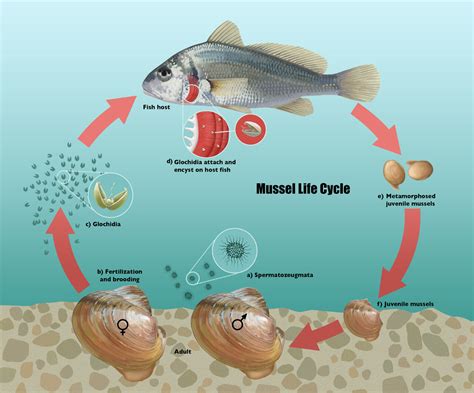
The life of a freshwater clam begins as a tiny larva, a stage where survival is precarious and entirely dependent on a symbiotic relationship with fish. For a period ranging from a week to several months, these minuscule larvae must attach themselves to the gills or fins of a fish. This is not a passive drifting; it is a targeted strategy, a testament to the clam's ingenuity. At a specific point in their development, these larvae detach from their temporary hosts, embarking on their independent existence on the river or lake bottom. This dependence on fish highlights a fundamental interconnectedness within aquatic ecosystems: the reproductive success of clams is inextricably linked to the health and presence of native fish populations.
Deceptive Lures and Gelatinous Packets: Attracting a Host
The question of how a female clam attracts a fish to serve as a host for her larvae is answered by a remarkable display of evolutionary trickery. Some clam species have developed a sophisticated method of packaging their larvae into gelatinous packets. These packets are designed to mimic food, enticing fish to ingest them. Upon consumption, the packet explodes within the fish's mouth, releasing a cloud of clam larvae. As these larvae are swept over the fish's gills, a portion of them attach to the gill filaments, initiating the crucial larval stage.
Other clam species employ a more direct visual deception. They possess specialized structures on their mantles - the soft tissue responsible for shell formation - that act as lures. When a female clam is ready to release her larvae, these mantle structures expand, resembling small prey items such as minnows, darters, crayfish, or caterpillars. This elaborate display attracts predatory fish, like bluegill or bass, which, in their pursuit of a meal, inadvertently become carriers of clam larvae. This face-full of larvae, rather than a satisfying snack, ensures the dispersal and attachment of the next generation.
A third strategy involves a long, transparent, gelatinous tube, which can extend up to approximately 75 inches. This tube, filled with clam larvae, is suspended in the water current and undulates, mimicking a sickly minnow. This visual cue serves to attract unsuspecting fish, further facilitating the larval dispersal process. The reliance on these fish associations underscores the devastating impact that declines in native fish populations can have on clam reproductive success, illustrating a broader ecological principle: conservation efforts must often consider entire habitats and interconnected species rather than focusing on single species in isolation.
Sexual Reproduction: A Symphony of Gametes and Internal Development
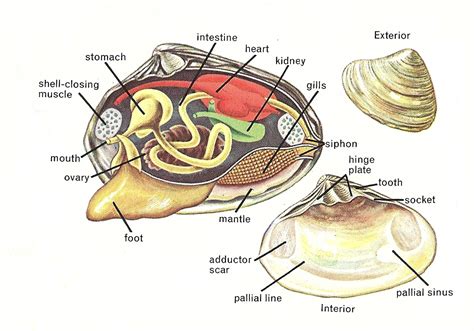
While some species exhibit hermaphroditism, possessing both male and female reproductive systems, clam reproduction is primarily sexual. For many species, mating begins when male clams release their sperm into the water. This sperm is then drawn into the female bivalve through her siphons. The female's eggs are produced internally and are ready for fertilization within her body. The developing larvae then mature inside the female's shell before being released into the environment, where they eventually settle on the bottom of the water body.
The release of gametes into the water column for external fertilization, known as broadcast spawning, is a common method. Mature clams release both spermatozoa and oocytes into the open water. The warm water temperatures of late spring and early summer act as a trigger, prompting both males and females to release their gametes. Sperm cells, through chance encounters in the water column, fertilize the egg cells. Fertilized eggs, or zygotes, then begin to divide rapidly, a process accelerated by warmer water.
Hermaphroditism and Marsupial Care: Alternative Reproductive Strategies
Nature, however, offers a diversity of reproductive approaches. Hermaphroditism, where an individual possesses both male and female sex organs, is observed in some clam species. The Asiatic clam, for instance, is a hermaphrodite capable of releasing both sperm and egg cells. In species that are hermaphrodites and can self-fertilize, such as fingernail clams, an internal brood pouch called a marsupium plays a crucial role. This marsupium can house as many as 20 veliger larvae until they are more developed. This marsupium-rearing strategy places a significant energetic demand on the parent clam, as juvenile clams require substantial energy for growth and survival. Consequently, these parent clams may not possess the size or metabolic energy to produce egg cells until they are more mature. Sperm cells, being smaller and easier to produce, can be generated even by younger individuals.
Larval Stages: From Planktonic Drifters to Settling Juveniles
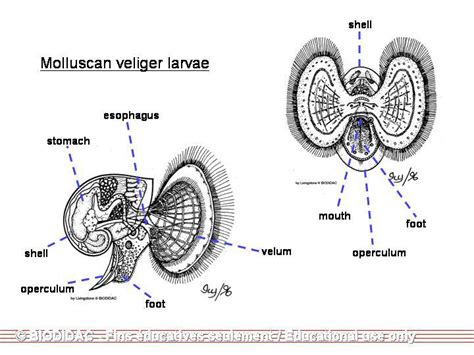
The journey of a clam larva is a multi-stage process. The earliest form is the trochophore larva, appearing as minute, plankton-like creatures, approximately 0.1 mm in width - about the diameter of a human hair. These trochophore larvae float freely in the water column. As they develop, they transform into veliger larvae. Veliger larvae remain free-swimming and actively feed on phytoplankton. During this stage, the foundational structures of the clam begin to take shape: the shell and the muscular foot develop, along with small flaps that aid in swimming.
As the veliger larvae grow, they accumulate weight, eventually becoming heavy enough to sink and settle on the seafloor. This critical phase is known as the settling stage. Once settled, the juvenile clams bury themselves beneath the sediment for protection against predators such as birds and crabs, and to avoid being dislodged by wave action. They feed by extending a long siphon above the mud surface to filter-feed on microscopic organisms present in the water. At this juvenile stage, clams are still vulnerable due to their limited burrowing depth.
Shell Development: A Living Architecture
The iconic shells of clams are not inert structures but are actively grown and maintained by the clam's mantle tissue. Clam shells are not composed of living cells themselves. Instead, the clam secretes proteins and minerals from its mantle tissue, which is in direct contact with the interior surface of the shell. This process allows the shell to grow from the bottom up, gradually increasing in size as the clam matures. Similar to trees, clams can be aged by counting the distinct growth lines present on their shells, analogous to counting the annual rings of a tree trunk.
Clams as Ecological Sentinels: Indicators of Aquatic Health
The role of clams, particularly freshwater mussels, within aquatic ecosystems is far from passive; it is critical. Mussels are highly sensitive to a range of environmental factors, including the health and diversity of local fish communities and the levels of dissolved oxygen in the water. This sensitivity makes them invaluable bioindicators, providing crucial insights into the overall health and condition of aquatic systems. Their ability to accumulate contaminants has also led to their use in past studies to assess the extent and degree of pollution in aquatic environments.
4- Importance of Mussels to PA Waterways
Resilience in Adversity: Surviving Drought and Emerging Stronger
Clams exhibit remarkable resilience, particularly in the face of environmental challenges such as drought. Although they cannot breathe in an air environment, clams can survive for extended periods, from months to years, out of water. This survival is facilitated by their ability to shut down all bodily processes except those essential for sustaining life without oxygen. During these periods, a clam may open slightly to expel accumulated waste products, a necessary action to prevent excessive moisture loss. The truly astonishing aspect of this survival mechanism is the clam's capacity to return to normal physiological function within a short span of 12 hours once re-submerged in an aquatic environment, with its oxygen levels replenished.
Population Dynamics and Conservation Imperatives
The reproductive success of clams is influenced by a multitude of factors, including water temperature, the availability of suitable fish hosts, and the presence of pollutants. Studies have explored various aspects of clam reproduction, such as examining the fertility, or "fecundity," of female clams. Research has indicated that different-sized female clams do not necessarily produce eggs of different sizes. Furthermore, the specific location of a mudflat, whether high, mid, or low intertidal zones, may also play a role in clam reproductive patterns. For instance, some research suggests that clams in the low intertidal zone might experience different reproductive outcomes.
The sheer scale of clam reproduction is staggering. Large clams can release hundreds of millions of reproductive cells throughout their lifetimes. Despite this prolific output, the survival rate from fertilized egg to juvenile stage is low, with approximately only 1 out of every 1,000 fertilized eggs successfully reaching the stage where they can settle on the seafloor. This low survival rate underscores the importance of every successful reproductive event and the need for healthy, stable aquatic environments.
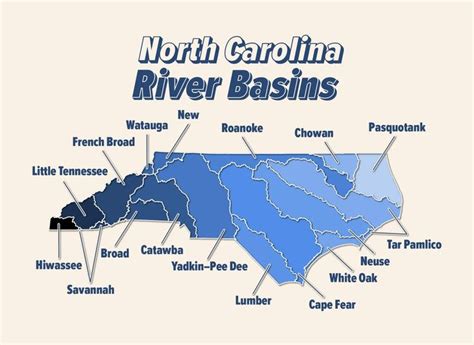
Globally, there are approximately 20,000 known living species of clams. North American freshwaters are home to about 260 native species, with an additional roughly 6 non-native or introduced species. The uneven distribution of these species across North Carolina's 17 river basins further emphasizes the unique ecological conditions that support diverse clam communities. For example, 43 species are found exclusively in rivers draining into the Atlantic, while 22 species inhabit rivers flowing into the Tennessee and Ohio rivers.
Understanding these intricate reproductive strategies and ecological dependencies is paramount for effective conservation. As the life cycle of clams demonstrates, species are interconnected in ways that are not always immediately apparent. Conservation efforts that focus solely on individual species may prove insufficient. Instead, a holistic approach that protects entire habitats and the complex natural systems within them is essential for ensuring the long-term survival of these vital aquatic inhabitants and the ecosystems they support.