The reproduction of dolphins, a species renowned for its intelligence and complex social structures, is a fascinating interplay of biological imperatives, social dynamics, and environmental influences. While often perceived as simple, their reproductive strategies are nuanced, involving year-round mating, intricate social bonding, and a profound investment in raising their young. Understanding how dolphins procreate offers a window into their world and highlights the challenges they face in an increasingly human-impacted environment.
The Genesis of a Dolphin: Gestation and Birth
The journey of a new dolphin begins within the mother's womb, where gestation typically lasts between nine and seventeen months, with orcas, for instance, experiencing a lengthy seventeen-month pregnancy. This extended period allows for the complete development of the calf, ensuring it is ready to face the marine environment. When the time for birth arrives, female dolphins often seek the support of their pod members, banding together to assist the mother during this vulnerable process.
A striking characteristic of dolphin birth is the method employed to minimize the risk of drowning. Unlike many mammals, dolphin babies are usually born tail-first. This specialized delivery ensures that the umbilical cord is the last to emerge, allowing the calf to breathe air immediately after exiting the womb.

The First Steps into Life: Birth and Early Development
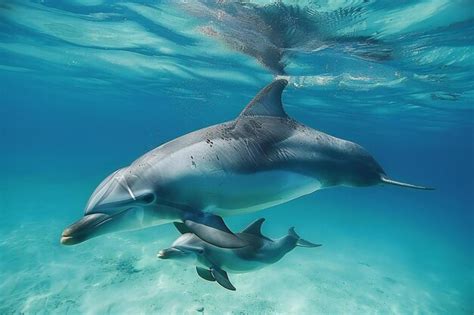
Upon birth, a dolphin calf is immediately capable of swimming, guided by its mother. A distinctive feature of newborn dolphins is the presence of fetal bands - lighter-colored bands spanning their midsections. These are caused by being tightly scrunched up in the mother’s womb and gradually fade as the calf grows. Young dolphins also exhibit a specific swimming behavior called the echelon position, where they swim in a position next to their mother. This allows them to benefit from the mother's slipstream, significantly reducing the effort required to keep pace with her.
All dolphins are born with belly buttons, which mark the point where the umbilical cord connected them to the mother’s placenta. However, unlike human belly buttons, dolphin belly buttons are smooth, contributing to their streamlined bodies.
Nurturing the Future: Milk, Diet, and Maternal Investment
Dolphin milk is exceptionally rich and fatty, far more so than human or cow's milk, facilitating rapid growth in the calves. While nursing can extend for up to ten years in some documented cases, most dolphin mothers feed their babies milk for a period of two to three years. This extended nursing period is crucial for the calf's development and strengthens the bond between mother and offspring.
Even while still nursing, young dolphins begin to explore solid food. Guided by their mothers, they can start eating small fish when they are only a few months old. For instance, young bottlenose dolphins in Australia have been observed eating small fish by about four to five months of age, though they remain dependent on their mother’s milk.
Dolphin mothers are exceptional teachers, dedicating significant time and energy to preparing their young for independence. This includes not only survival skills but also social integration within the pod. Mothers often introduce their calves to other pod members, encouraging interactions that impart lessons in social dynamics.
The Social Tapestry of Reproduction: Mating and Social Dynamics
Dolphins are polygamous, meaning they have more than one mate, and their mating is not confined to a specific season; they can mate year-round. This continuous mating cycle is facilitated by the complex social structures within dolphin pods. While males may engage in aggressive tactics to attract females, including acrobatic displays and fights with rivals, female dolphins also exercise considerable agency in choosing their mates.
The age of sexual maturity varies between species and sexes. Generally, males reach sexual maturity between 8 and 14 years of age, while females mature slightly earlier, between 5 and 13 years old. For bottlenose dolphins in Sarasota, Florida, first births typically occur between 6 and 13 years of age, with an average age of around 8 years. The time between births for bottlenose dolphin mothers is usually two to three years, though this can vary from one to six years depending on the species and individual.
The Role of Play and Social Learning
Juvenile dolphins, particularly males, engage in extensive social play. This play is not merely for amusement; it serves as a crucial period of learning and development. In populations like the Indo-Pacific bottlenose dolphins of Shark Bay, Western Australia, juvenile play has been directly linked to future reproductive success.
New Study Suggests Play Time Is Critical Part To Child's Development
Juvenile male dolphins often mimic adult mating behaviors, practicing coordinated actions and social interactions. This play can involve taking on "male" and "female" roles, practicing courtship rituals, and even producing vocalizations used by adult males to control females. Such activities help young males strengthen social bonds that will mature into lifelong alliances, essential for cooperative mating strategies in adulthood. This period of play can be seen as a form of "social Paideia," an educational process that shapes their understanding of social norms, hierarchies, and reproductive behaviors within their complex societies.
Homosexual Behavior and Social Cohesion
Homosexual behavior is notably prevalent in dolphin communities and plays a multifaceted role. These interactions, ranging from genital stimulation to mounting and even long-term partnerships, are not incidental but rather integral to their social fabric. Theories suggest that such behavior can help establish social hierarchies, reduce tension and aggression within groups, and foster social cohesion. For bottlenose dolphins, periods of bisexuality are often observed, interspersed with periods of exclusive homosexuality. Upon reaching sexual maturity, males often form groups of young males where homosexual activity is common, and some even form lifelong same-sex couples.
Environmental Impacts and Conservation Concerns
Human activities pose significant threats to dolphin populations and their reproductive success. Pollution, fisheries interactions, and boat strikes contribute to marine mammal strandings, impacting individuals and potentially affecting breeding cycles. Climate change further exacerbates these challenges, altering marine ecosystems and potentially disrupting food sources and habitats crucial for reproduction and calf survival.
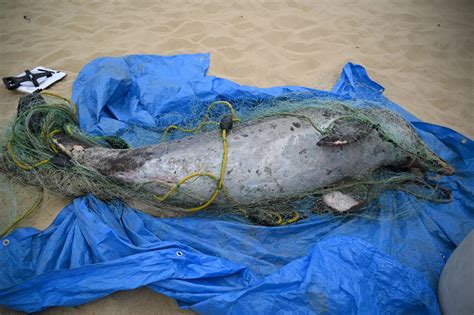
The methods for monitoring marine mammal strandings are often outdated and inconsistent, hampered by erratic funding and inadequate infrastructure. Events like the Deepwater Horizon oil spill have tragically highlighted the devastating impact of human-caused disasters on dolphin populations, leading to unprecedented mortality rates and serious health issues among survivors. This underscores the urgent need for improved data collection and robust monitoring systems to understand and mitigate these threats.
Studying dolphin reproduction is not merely an academic pursuit; it offers critical insights into the delicate balance of marine ecosystems and the profound impact of human actions. As dolphins navigate complex social and mating systems while facing increasing environmental hazards, their story serves as a vital cautionary tale, urging us to reflect on our own species' impact and the imperative to protect these magnificent creatures and their ocean homes.