Flies, those ubiquitous buzzing insects that share our living spaces, possess a reproductive strategy that is as efficient as it is fascinating. While their presence can be a nuisance, understanding their life cycle and procreation methods offers insight into their persistence and provides clues for effective management. From the humble egg to the adult capable of perpetuating the cycle, each stage plays a critical role in the remarkable success of fly populations worldwide. The process, often oversimplified, involves distinct phases of development and a surprisingly varied array of mating behaviors across different species.
The Genesis of a Fly: The Egg Stage
The life cycle of a house fly, a species commonly encountered by humans, commences with the egg stage. Female house flies are prolific reproducers, capable of laying a substantial number of eggs in a single batch. This clutch can contain up to 150 eggs, and over a period of a few days, a female will produce five or six such batches. This prolificacy contributes significantly to the rapid population growth characteristic of flies.
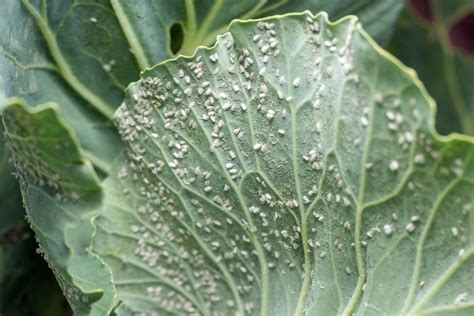
The appearance of these eggs is quite distinctive. House fly eggs resemble individual grains of rice, small and often clustered together. Their size, measuring about one to two mm long, makes them difficult to spot with the naked eye. Female house flies meticulously choose their egg-laying sites, favoring damp, dark surfaces. These ideal locations include compost heaps, manure piles, and other decomposing organic materials. This strategic selection ensures that their offspring will have an immediate and readily available food source upon hatching, a crucial element for survival in the initial stages.
From Egg to Emerging Life: The Larval Stage (Maggots)
Once hatched from their protective shells, fly eggs give rise to the larval stage, commonly known as maggots. These are the immature, developing forms of flies, and for the house fly, this stage is critical for growth and development. Maggots are characterized by their legless, white appearance and their incessant movement, often described as squirming. They lack wings and any other distinguishable body parts that would indicate their future adult form.
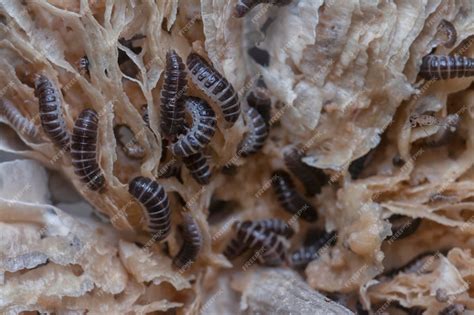
The primary objective of a maggot is to feed and grow. They consume the decaying organic matter from their egg-laying site voraciously, absorbing nutrients to fuel their rapid development. During this phase, maggots are constantly in motion, burrowing deeper into their food source. This behavior serves a dual purpose: it keeps them close to their food and also helps them avoid predators and extreme environmental conditions.
The larval stage is not a static period. Maggots undergo several molts, shedding their outer skin as they increase in size. This process is essential for their growth. The duration of the larval stage is variable, influenced heavily by environmental conditions, particularly temperature and food availability. In warm weather, this stage can last as little as three days. However, in cooler conditions, it can extend significantly, sometimes up to eight weeks. This adaptability in development time is a key factor in the fly's ability to thrive in diverse climates.
The Metamorphosis Chamber: The Pupal Stage
Following the larval stage, maggots enter a transformative period known as pupation. This is a resting and development phase where the maggot undergoes a remarkable metamorphosis, transitioning into a fully formed adult fly. For the house fly, this stage is comparable in function to a butterfly's cocoon. The pupa develops a hard, protective shell, typically brown or dark red and oval-shaped, which shields the inactive, developing fly within.
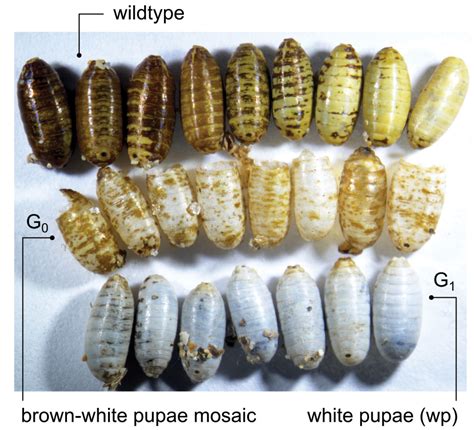
Inside this hardened casing, the pupa does not move or feed. Its entire focus is on the intricate biological processes of transformation. During this time, the maggot's body is reorganized, with the development of legs, wings, and the characteristic features of an adult fly, including compound eyes and reproductive organs. The duration of the pupal stage is also temperature-dependent. In warm weather, it can last between four to six days. In colder conditions, this period can be extended, allowing the fly to survive less favorable environmental periods.
The Emergence of the Adult: Reproduction and Dispersal
The culmination of the life cycle is the emergence of the adult fly. Once the metamorphosis is complete, the fully formed fly breaks free from its pupal case. Within a remarkably short period, typically 24 to 48 hours after emerging, adult flies are ready to reproduce. This rapid maturation allows for swift continuation of the species.
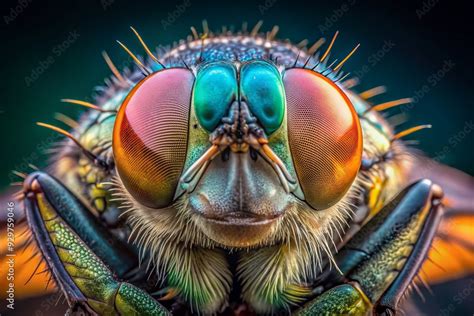
The adult fly's primary drives are to feed, find a mate, and lay eggs, thus initiating the cycle anew. Their behavior is characterized by high mobility, as they constantly seek out food sources, moisture, and suitable locations for oviposition, the process of laying eggs. The lifespan of an adult fly varies by species and environmental factors. House flies, for instance, typically live for 15 to 30 days. During this time, a female can lay hundreds of eggs, contributing to the potential for rapid population surges.
The entire fly life cycle, from egg to adult, can be completed in as little as seven days under optimal conditions. This rapid development cycle is a primary reason why fly populations can grow so quickly, making them a persistent challenge for pest control.
The Nuances of Fly Reproduction: Mating Behaviors
While the general life cycle of egg, larva, pupa, and adult is common across most flies, the specifics of reproduction, particularly mating, can be surprisingly diverse. The house fly, a familiar sight, exhibits a mating behavior where the male mounts the female from behind. However, in a curious departure from common zoological descriptions, it is often the female housefly that initiates penetration, utilizing her ovipositor, or egg-laying tube, to engage with the male. This unusual dynamic highlights the complexity that can exist even within seemingly simple insect behaviors.
Other fly species display different mating rituals. For instance, crane flies often face in opposite directions during mating, connected only at the tips of their elongated abdomens. This variety in mating positions underscores the extensive diversity within the fly order, which boasts over 120,000 known species globally, with 18,000 of those species found in North America alone.
Factors Influencing Fly Lifespan and Development
The lifespan of a fly is not a fixed duration but is influenced by a multitude of factors, including species, environmental conditions, food availability, and the presence of predators. The common belief that flies live for only 24 hours is a myth. For example, while fruit flies have a relatively short lifespan of 8 to 10 days, during which a female can lay up to 500 eggs, house flies generally live longer, between 15 to 30 days. Gnats exhibit a range, with some species living for seven to 10 days and others extending to a month. Cluster flies, notably, can survive for several months, particularly if they overwinter indoors.
Temperature plays a significant role in accelerating or decelerating their development. Warmer temperatures speed up the metabolic processes, leading to faster development through the egg, larval, and pupal stages. Conversely, colder conditions can prolong these stages, acting as a survival mechanism for the species.
Furthermore, flies possess an enhanced perception of time, capable of detecting movement up to four times faster than humans. This remarkable visual acuity makes them incredibly adept at evading threats, such as a swatter, as they perceive the motion in slow motion, allowing them ample time to react and escape.
Implications for Pest Management
The rapid reproductive rate and short development cycles of flies mean that a small infestation can quickly escalate into a significant problem. Understanding the different stages of the fly life cycle is crucial for effective prevention and control. Eliminating breeding grounds by maintaining strict sanitation, regularly disposing of garbage, and cleaning potential egg-laying sites like compost bins and drains are paramount. The strategic use of fly traps can also help disrupt the reproductive cycle and reduce adult populations. By taking proactive measures informed by the biology of these insects, it is possible to manage and minimize the nuisance and potential health risks associated with fly infestations.