Creating compelling and professional business proposals is a cornerstone of success in many industries. While the content of your proposal is paramount, its presentation significantly influences how it's received. Adobe InDesign offers a powerful platform for crafting visually stunning documents, and utilizing an InDesign contract template can dramatically streamline this process. This tutorial will guide you through leveraging InDesign proposal templates to create polished, impactful business documents that stand out.
The Power of a Professional InDesign Proposal Template
Using an InDesign proposal template is a quick and efficient way to complete your business proposal in a snap. It allows you to make your content stand out from the crowd with a professional InDesign proposal template. Of course, we don't want to sacrifice quality for speed-and that's what makes an InDesign proposal template such a great option. Whether you're looking for a template to customize or a completed design for your content, an InDesign proposal template can help. A well-designed template provides a solid foundation for a unified business proposal for continued use. Furthermore, these templates are often easily adaptable to other document types, such as newsletters, briefs, and portfolios, making them a versatile asset for your business. A great template grows with you, evolving as your needs and brand identity develop.
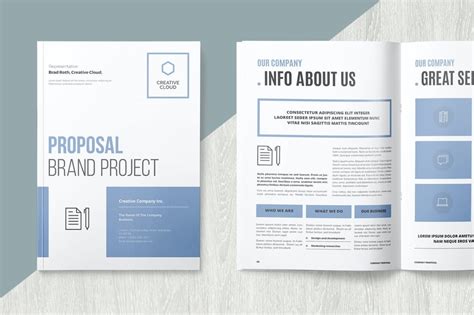
Finding Your Ideal InDesign Proposal Template
The first step in harnessing the power of InDesign templates is finding the right one. You have a choice between premium and free creative proposal templates for InDesign, each with its own set of pros and cons.
For those seeking top-of-the-line quality and convenience, platforms like Envato Elements are an excellent resource. Envato Elements offers a subscription-based model where one low, monthly fee grants unlimited downloads. This means you can explore and download a vast array of InDesign Business Proposal Templates without worrying about additional costs per download. The selection is extensive, ensuring you'll find a template that perfectly suits your aesthetic and functional requirements.
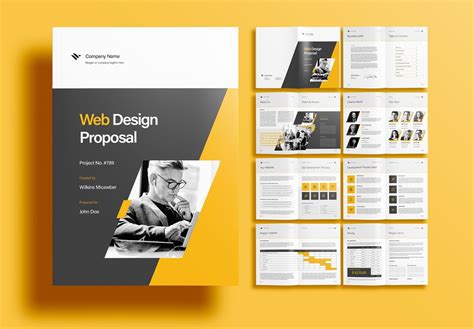
Among the many options available, some templates offer exceptional value. For instance, one particular InDesign proposal template is an awesome download because it not only provides InDesign files but also works seamlessly in Photoshop and Illustrator. This cross-compatibility significantly expands its utility. Another template boasts an impressive 52 pages, offering a wealth of design layouts and content sections to choose from, providing a lot of bang for your buck. A stylish design might include 25 pages and also come with files for Adobe Illustrator.
If unlimited downloads aren't your preferred model, other platforms like GraphicRiver provide high-quality content with a pay-as-you-go approach. Here, you can find numerous options, such as a graphic design proposal template InDesign file, allowing you to purchase individual templates as needed.
Understanding InDesign Template File Types
When you download an InDesign proposal template, you'll often find it includes more than one file type. Understanding these is crucial for effective use:
- INDD: This is the standard Adobe InDesign document format. It's your primary working file, containing all the design elements, layouts, and text. INDD files are essentially your "behind the scenes" files, allowing you to go back and make adjustments to any aspect of the design.
- IDML: This stands for Adobe InDesign Markup Language. IDML files are designed for backward compatibility, allowing you to open newer InDesign documents in older versions of InDesign. This is useful if you collaborate with others who may not have the latest software.
- PDF: Portable Document Format is a universal file type used by a variety of software packages. While you'll primarily work with INDD files, you'll often export your final proposal as a PDF for sharing and printing.
Navigating Your InDesign Template: Essential Tools and Techniques
Once you have your template, it's time to dive into InDesign and start customizing.
The Pages Panel
The Pages panel is your central hub for managing the structure of your document. To open it, go to File > Pages or Window > Pages if it's not already visible. Here, you can browse all the available pages within your template by scrolling through them. You can also arrange, duplicate, and delete pages. Select a page, then right-click to access a menu with more options for page management. This panel is essential for organizing your content and ensuring a logical flow.
Understanding Guides
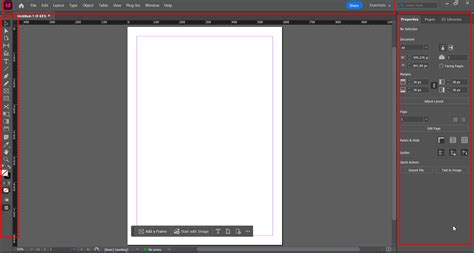
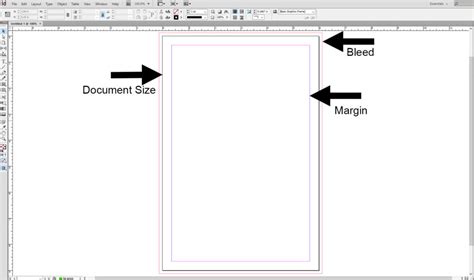
When you first open an InDesign template, you might notice a multitude of lines overlaying the pages. These are called Guides. They are not part of the final printed document but serve as visual aids to help you align text, images, and other design elements. Guides are invaluable for maintaining consistency and achieving a professional layout. You can use them to your advantage during the design process, or easily toggle them off when you want a clear view of your content. To manage your guides, go to View > Grids & Guides to explore your options, including showing or hiding them.
Working with Text
Text is arguably the most critical component of any proposal. InDesign templates typically feature pre-defined text frames. To edit this text, simply select the Type Tool (T) and click within an existing text box to begin typing. Replace the placeholder text with your own content.
If you need to add text that falls outside of the predefined text frames, you can easily create new text boxes. With the Type Tool selected, click and drag on your page to draw a new text frame. You can then input your text directly into this new frame.
A common issue when working with text is "overset text," which occurs when more text is added than can fit within a text box. Any text that's "overset" won't be visible. To address this, you can resize the text box to accommodate all the text, or adjust the text size and leading. There are more advanced techniques for managing overset text, often covered in detailed tutorials.
How to Find and Fix Overset Text in InDesign
Incorporating Images
InDesign proposal templates usually include placeholders for inserting imagery. These are often represented by empty frames. To add your own images:
- Select the Placeholder: Using the Selection Tool (V), click on the placeholder frame where you want to insert an image.
- Place Your Image: Go to
File > Place. Navigate to your image file and click "Open." Your image will appear within the selected frame.
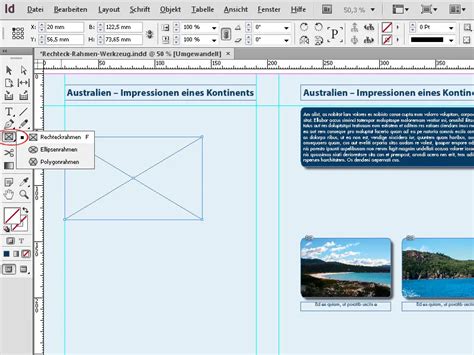
If you want to add an image without a pre-existing placeholder, you can draw a new rectangular frame using the Rectangle Tool (M) and then place your image within it, following the steps above. Alternatively, you can go to File > Place with no frame selected. InDesign will place the image with its original dimensions, and you can then resize and scale it within a frame using the Selection Tool. You'll notice squares around the perimeter of the image when it's selected, allowing you to adjust its size and position.
Customizing Your InDesign Proposal Template
The true power of a template lies in its customizability. You can freely alter almost any design element to align with your brand identity.
Modifying Design Elements
With the Selection Tool selected, simply click on a specific design element (like a shape, line, or color block) to select it. You can then move, resize, recolor, or delete it. To select multiple elements at once, click and drag a selection box around them, or hold down the Shift key while clicking on individual elements. This allows for efficient bulk editing of various design components.
Advanced Customization Techniques
Beyond basic element manipulation, you can delve into more advanced customization. This might involve altering font styles and sizes, adjusting spacing and alignment, or even modifying the underlying grid system of the template. Experimenting with these settings allows you to truly make the template your own.
Visual Design and Layout Strategies
While functionality is key, the visual appeal of your business proposal is equally important.
Maintaining Brand Consistency
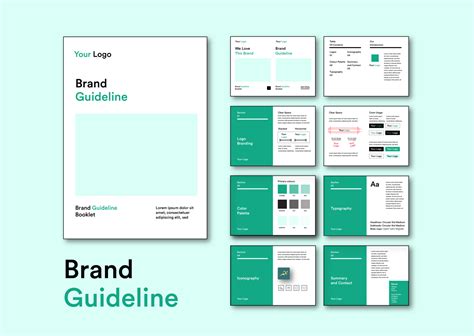
It's crucial to keep your branding consistent throughout the proposal. This includes using your brand colors, fonts, and logo. Many templates are designed with this in mind, offering easily editable color swatches and text styles. For example, a business proposal template might showcase consistent branding elements.
Balancing Variety and Similarity
While consistency is important, a proposal shouldn't be monotonous. Explore different layout designs within your template to keep the content visually interesting and engaging. Many templates offer a variety of page layouts, from full-page spreads to more text-heavy sections. The key is to find a balance between variety and similarity, ensuring that each page contributes to the overall narrative without feeling disconnected. Creative layout design, as seen in many InDesign proposal templates, can help achieve this.
The Importance of Organization
Organization is paramount, especially when dealing with substantial amounts of content. Imagine if all the information presented in a well-structured two-page spread was crammed into one large, undifferentiated paragraph with no visual breaks. It would be overwhelming and difficult to digest. Well-organized layouts, like those found in effective business proposal design templates, break down information into digestible chunks, using white space, headings, and visual elements to guide the reader.
Leveraging Visuals for Communication
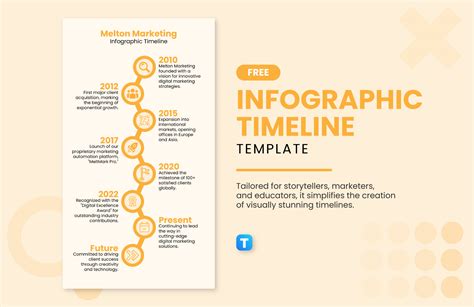
Visuals are powerful communicative tools. Sometimes, a visual element can convey an idea far more effectively than a block of text. For instance, a timeline infographic can help a reader quickly visualize a series of events. Would this same concept be as easy to grasp if it were presented as a paragraph? Infographics, charts, and diagrams within your InDesign business proposal can significantly enhance comprehension and engagement.
Creating a Unified Publication
The pages of your proposal should feel related, creating a sense of one unified publication. This can be achieved through consistent visual elements. Repeated elements like page numbers, footers, consistent type choices, and header styles all contribute to a cohesive feel. Visual similarities across pages reinforce the brand and the overall message.
Frequently Asked Questions About InDesign Proposal Templates
As you become more familiar with InDesign proposal templates, you might encounter specific questions. Here are some common ones:
Can I Create a Table of Contents in InDesign?
Yes, you can-and it's a snap! InDesign has powerful features for automating the creation of a table of contents. This is especially essential for multi-page documents, as manually creating one would be time-consuming and prone to errors if pages are moved or reordered. InDesign can automatically generate page numbers and associate them with specific headings, ensuring accuracy. For extra help, you can find free tutorials dedicated to this process.
How Do I Handle Overset Text?
As mentioned earlier, overset text occurs when your text exceeds the boundaries of its text box. InDesign will indicate this, usually with a small red plus sign. The most straightforward solution is to resize the text box. You can also adjust the font size, leading (line spacing), or kerning (space between specific letter pairs) to make the text fit. For more complex scenarios, there are advanced techniques and tutorials available that cover managing overset text effectively.
How Can I Check Spelling?
Typos can undermine the credibility of your proposal. Thankfully, InDesign has a built-in spell checker. To use it, head over to Edit > Spelling > Check Spelling. This feature allows you to quickly identify and correct errors directly within InDesign, saving you the hassle of exporting and checking in another program.
Can InDesign Create eBooks?
Absolutely. While InDesign is renowned for its print capabilities, it's also an incredibly powerful tool for creating digital publications, including eBooks. You can export your InDesign documents in various e-book formats, such as EPUB. This capability is invaluable when digital distribution is a primary goal.
Conclusion: Empowering Your Business Proposals with InDesign
We've explored a host of techniques and insights to help you create InDesign business proposals that are not only quick to produce but also highly effective. Utilizing InDesign proposal templates is a smart strategy for businesses looking to enhance their professional image and streamline their document creation process. Remember not to be tempted by free creative proposal templates for InDesign that might compromise on quality or functionality. Instead, invest in well-crafted templates that will serve your business long-term. There's a huge library of InDesign business proposal design templates available on platforms like Envato Elements for immediate download, offering unlimited possibilities. Alternatively, explore the high-quality content on GraphicRiver for a pay-as-you-go option. Start leveraging the power of InDesign today to create proposals that impress.