In today's competitive job market, a resume is far more than a mere compilation of work history; it's your primary marketing tool, a carefully curated narrative designed to capture the attention of recruiters and hiring managers. Understanding the art of resume design, particularly with powerful software like Adobe InDesign, can significantly elevate your application and highlight your unique skills and qualifications. A polished, well-designed resume can make a substantial difference in securing that crucial first interview.
The Power of Adobe InDesign for Resumes
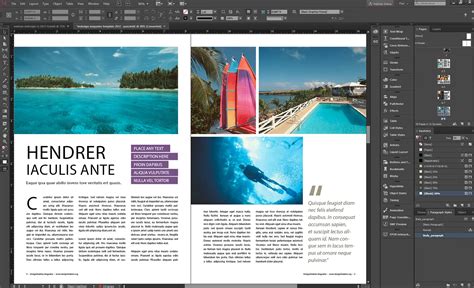
Adobe InDesign is a sophisticated graphic design software renowned for its capabilities in publishing and print projects. This makes it an ideal tool for crafting visually appealing documents, including brochures, posters, and, of course, resumes. While InDesign can be purchased as a standalone application, it's also a key component of Adobe's Creative Cloud suite, which includes other industry-standard tools like Photoshop and Adobe Illustrator.
The appeal of using InDesign for resume creation is particularly strong for individuals in creative fields where visual aesthetics and branding are paramount. This includes professions in design, marketing, fashion, social media, and the arts. For those not in such visually-driven industries, a simpler, more text-based approach might be more suitable.
Teal Note: While design platforms such as InDesign and Canva can produce visually stunning resumes, it's crucial to consider their compatibility with Applicant Tracking Systems (ATS). ATS platforms often struggle to parse images or heavy graphics, which could inadvertently hinder your job search. If you're applying to companies known to use ATS, opting for a simpler, text-based format is often a safer bet to ensure your resume is processed correctly.
Creating Your Resume in InDesign: A Step-by-Step Guide
Embarking on the creation of an InDesign resume involves a structured approach. Here's a breakdown of the process:
Open InDesign: Begin by launching the Adobe InDesign application.
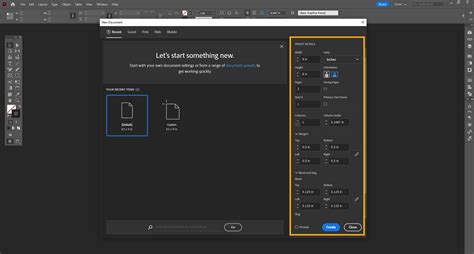
Create a New Document: Navigate to
File > New > Document. This action will open a dialog box where you can set up your document specifications.Configure Document Settings: For a standard resume, select "Letter" as the document size. Ensure that the units are set to "inches" and that the document is initially set to one page. Adjust the "Margins" to 0.5 inches for a balanced layout, and then click "Create."
Customize Layout with Guides: Access the "Layout" menu and select "Margins and Columns." This allows you to define the number of columns for your resume. To ensure precise spacing and alignment, return to the "Layout" menu and choose "Create Guides." You can then use your cursor to drag lines from the rulers (visible along the top and left edges of the document) to establish rows and columns. For added precision, you can lock these guides by going to
View > Grids & Guides > Lock Guides.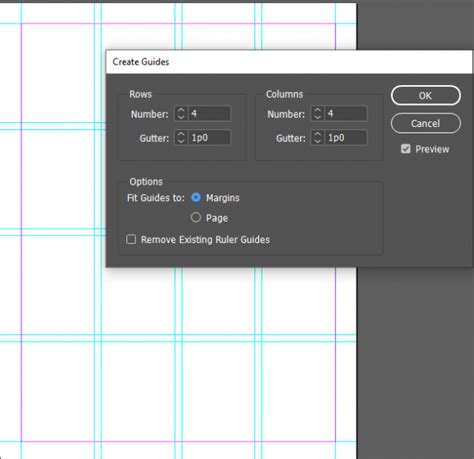
Create Text Boxes: Select the "Type Tool" (represented by a 'T' icon) from the toolbar. You can then draw text frames on your page. Alternatively, if you plan to paste text from another document, InDesign will automatically create a text frame when you paste. To control how pasted text behaves, navigate to
Preferences > Clipboard Handlingand choose "All Information" or "Text Only" to determine whether formatting is retained.Format Text: The "Character" panel, accessible via
Type & Tables > Character, allows for extensive text customization. Here, you can select your desired font, adjust font size, and apply various text styles to enhance readability and visual appeal.Add Resume Content: With your text boxes and formatting in place, begin populating your resume with content. This includes your full name and contact information, a professional summary or objective, detailed work experience, educational background, relevant skills, and any notable awards or achievements.
Refine Formatting: After inputting all your text, it's essential to review and adjust the formatting. This might involve tweaking font sizes, repositioning sections, and ensuring that everything aligns perfectly with your established rulers and guides. The goal is a cohesive and professional appearance.
Incorporate Graphics: One of InDesign's strengths is its seamless integration of graphic elements. To add images or other graphics, use the "Selection Tool" (the black arrow) to select an area where you want to place an image. Then, go to
File > Placeand select your desired graphic file. You can then drag the placed image to its exact location.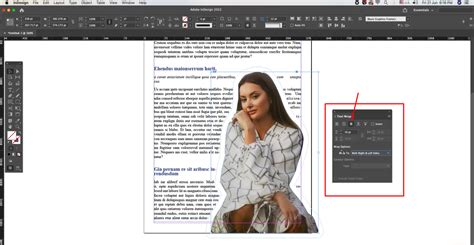
Add Hyperlinks (Optional): For digital versions of your resume, you can add hyperlinks to your email address or personal website. Select the text you wish to make clickable, then in the "Properties" panel, find "Quick Actions" and select "New Hyperlink." Choose "URL" in the "Link To" section and enter the relevant web address or email.
Review the Final Version: Conduct a thorough review of your resume. Pay close attention to formatting, spacing, font consistency, and overall layout. A clean, well-organized, and ideally one-page resume is the objective.
Save and Export as PDF: To finalize your resume, go to
File > Export. Name your file appropriately (e.g., LastName_FirstName). Under "Save As Type" (Windows) or "Format" (Mac), select "Adobe PDF." Ensure you choose the correct pages if your document contains multiple. Click "Save."How to export InDesign files as PDFs
Leveraging InDesign Templates and Resources
For those seeking a head start or inspiration, numerous InDesign resume templates are available. These can significantly streamline the design process and offer professional layouts as a foundation.
Understanding Parent Pages in InDesign Templates:
Many InDesign templates utilize "Parent pages." These function as master pages, allowing you to apply consistent backgrounds, headers, or footers across multiple pages of your document simultaneously, rather than manually adding elements to each page. For instance, a template might have your name and job title pre-designed on a Parent page.
To modify elements on a Parent page, you typically need to access the Parent page view. Changes made here will propagate to all document pages that have that Parent page applied.
Editing Template Elements:
- Text: To edit text within a template, simply double-click on the text frame using the Type Tool.
- Colors: If you wish to change the color of a background block or other design elements, select the object using the Selection Tool. Color options are usually found in the "Swatches" tab within the panel, where you can create, name, and apply colors.
- Objects: The Selection Tool is also used to select and manipulate other objects like lines, shapes, and images. To select multiple items, you can drag a selection box around them or hold down
Ctrl/Cmdand click on each individual item.
Handling Multiple Resume Sections:
Templates often provide a set number of placeholders for experiences or skills. If you have fewer entries than provided, you can simply delete the unused sections. Conversely, if you need more space, you can duplicate existing text boxes or sections and adjust them accordingly.
Popular InDesign Resume Template Styles and Examples
The world of InDesign resume templates is vast, catering to diverse professional profiles and aesthetic preferences. Here are some categories and examples that illustrate the range of possibilities:
Clean and Minimalist Designs:These templates prioritize readability and a professional appearance with ample white space and subtle design elements. They are ideal for most industries and ensure that your content remains the focal point.
- Template #1: The Effortless Chic: Characterized by an artistic font and an intriguing color palette, this design offers a straightforward yet distinctive look.
- Template #21: Clean Minimal Resume: As the name suggests, this template focuses on neatness and organization, making it a safe and effective choice.
- Template #48: Loyal Minimalist: This template allows for efficient organization of professional details with editable text, icons, and colors for a clean, informative biodata.
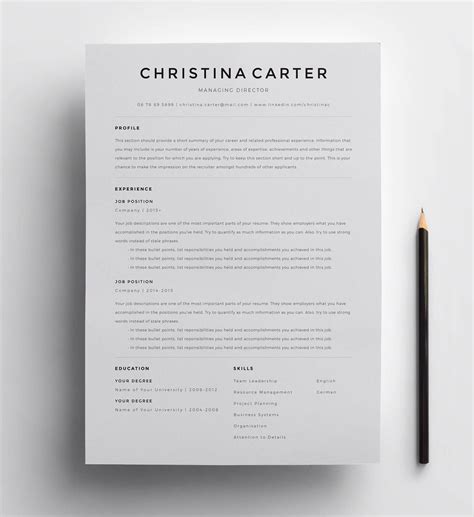
Modern and Bold Designs:For those in creative fields or seeking to make a strong initial impact, bold designs with striking color contrasts and unique layouts can be highly effective.
- Template #2: Designers and Marketers: This template features a bold design with clearly defined sections, designed to grab attention.
- Template #10: Actors, Filmmakers, Graphic Designers, and Marketers: With a bold design, this template communicates creativity while organizing skills effectively.
- Template #39: The Modern Colour Combination of Black and Yellow: This template offers a dynamic visual impact with a modern flair.
Creative and Artistic Designs:These templates incorporate unique graphical elements, artistic fonts, and engaging layouts to showcase personality and creativity. They are particularly suited for roles where individuality and artistic flair are valued.
- Template #3: Speakers and Illustrators: Features unique design elements that immediately draw attention, with legible fonts and a simple yet characterful format.
- Template #7: Photographers, Graphic Designers, and Illustrators: Utilizes icons to save space and quickly communicate skill sets, with well-organized sections.
- Template #12: Writers and Creative Professionals: This template is full of character and showcases a lot of information in a compact format.
Infographic-Style Resumes:For a data-driven approach, infographic-style templates use visual elements like charts, graphs, and icons to represent skills, experience levels, and achievements.
- Template #9: The Infographic Kind of Resume: This template is perfect for practical individuals, using numerous infographics to convey skills, hobbies, and knowledge through minimal design and creative logos.
- Template #15: Graphic Designers, Communications Professionals, and Outreach Managers: This resume uses icons to quickly illustrate capabilities and presents information in an organized manner.
Two-Column Layouts:A popular and effective structure, two-column layouts efficiently organize information, often dedicating one column to contact details, skills, and education, and the other to work experience.
- Template #13: Startup Employees and Managers: The two-column format in this example is highly effective in breaking up resume sections appealingly.
- Template #19: The Organized Appearance: This template uses two columns separated by a vertical line, perfect for detailing experience, expertise, education, and contact information.
Considerations for ATS Compatibility and Design Choices
While InDesign offers immense creative freedom, it's paramount to remember the impact of design on ATS compatibility. Overly complex layouts, text within images, or excessive use of graphics can cause issues for these automated systems.
Teal's Approach to ATS-Friendly Resumes:
Platforms like Teal offer a compelling alternative, focusing on creating visually appealing yet ATS-friendly resumes. Their "Design Mode" provides flexible and customizable templates that balance aesthetics with functionality, ensuring your resume can be parsed by ATS without compromising on a professional look. Teal's offerings include:
- Presentation: A variety of ATS-friendly templates in modern, traditional, or creative styles.
- Style: Customizable fonts, accent colors, and line height.
- Sections: The ability to reorder and rename resume sections.
- Format: Adjustable date formats, location displays, and experience layouts.
- Highlighting: Options to emphasize specific companies, positions, or degrees.
For those seeking advanced customization, Teal+ offers features like custom bullet points, precise text sizing, adjustable spacing, and border formatting. This ensures you can create a visually appealing resume that stands out while remaining ATS-friendly.
The Balance Between Design and Content
Regardless of the tool or template you choose, the core of a successful resume lies in its content. A visually stunning resume that lacks substance will not impress. Conversely, a resume with excellent content but poor design may fail to capture attention.
- Clarity and Legibility: Always prioritize readable fonts and a clean layout. Ensure that your key information is easily scannable.
- Content is King: Focus on crafting engaging content that accurately reflects your job experience and achievements. Quantify your accomplishments whenever possible.
- Professionalism: Even creative resumes should maintain a level of professionalism appropriate for the industry.
- Personal Branding: Use your resume design to subtly communicate your personal brand and professional identity.
Ultimately, whether you opt for a free InDesign resume template, utilize a platform like Teal, or design from scratch, the goal is to create a document that effectively communicates who you are, what you can do, and why you are the ideal candidate for the role. It's about telling your professional story in a way that is both compelling and easily understood.