The digital art landscape is constantly evolving, and with the increasing power and versatility of Chromebooks, the possibility of running professional-grade creative software on these devices is no longer a distant dream. Krita, a free and open-source digital painting and drawing application, has arrived on the scene for Android tablets and Chromebooks, marking a significant milestone in bringing desktop-class software to this burgeoning ecosystem. While the author of the provided text admits to not being an artist, their expertise lies in evaluating the technical feasibility and impact of such software on the Chromebook platform. This article delves into what Krita's presence on Chromebooks signifies, how to install it, and its implications for digital artists and the broader Chromebook user community.
The Promise of Desktop-Class Software on Chromebooks
For years, the Chromebook ecosystem has been characterized by its reliance on web-based applications and lighter-weight Android apps. While these have served many users well, there has been a persistent desire for more powerful, feature-rich desktop applications to run natively. Krita's arrival directly addresses this need, demonstrating that complex, professional-level software is not only possible but also functional on Chromebooks via the Google Play Store.
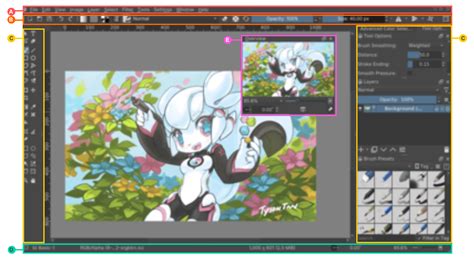
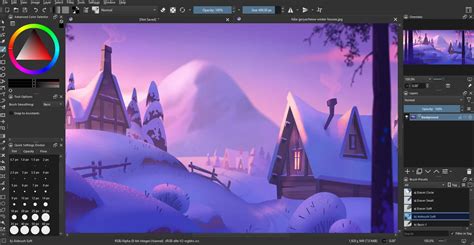
Unlike many other applications that offer stripped-down "mobile" versions with significantly reduced functionality, the build of Krita available for Android tablets and Chromebooks is remarkably close to its desktop counterpart. The user interface is almost identical, a stark contrast to the fragmented approach taken by some other software developers. For instance, Adobe's offerings on the Play Store, such as Photoshop Mix, Sketch, and Express, each tackle only a small portion of what the full Photoshop application can do, often leading to a frustrating experience when trying to accomplish more complex tasks on a Chromebook. The long-promised desktop versions of Photoshop, Illustrator, and Premiere Rush for Chrome OS have yet to materialize, making Krita's direct port even more noteworthy.
This isn't a case of emulation or a containerized environment. Krita is running as a true Android application, leveraging the underlying Chrome OS capabilities. This signifies a shift in how developers perceive Chromebooks, moving beyond the notion of them being solely for basic tasks and acknowledging their potential as powerful computing devices for creative professionals and enthusiasts alike.
Krita: A Professional Tool for Digital Artists
It is crucial to understand that Krita is not a casual doodling app. It is a professional-level application with a steep learning curve, designed for serious digital art creation. Its features cater to a wide range of artistic endeavors, including illustrations, comics, animations, concept art, and storyboards.
Krita boasts a comprehensive set of tools and features that enhance both the artistic process and productivity. These include:
- Advanced Brush Engines: A variety of brush engines are available for sketching and painting, offering a wide range of textures and behaviors.
- Stabilizers: Tools to help create smooth, clean lines for inking, even for those who may not have a steady hand.
- Assistant Tools: Features like perspective guides and vanishing point assistants aid in constructing complex scenes and accurate compositions.
- Distraction-Free Canvas Mode: A dedicated mode that removes all interface elements, allowing artists to focus solely on their artwork.
- Layer Management: Support for clone layers, layer styles, and filter and transform masks enables non-destructive editing, a cornerstone of professional digital art workflows.
- Animation Tools: Krita includes onion skinning and other features essential for creating frame-by-frame animations and storyboards.
- File Format Support: Compatibility with commonly used file formats, including PSD (Photoshop Document), ensures seamless integration with other software.
- Scripting: The ability to script in Python opens up possibilities for customization and automation of repetitive tasks.
The developers behind Krita have made a conscious effort to bring the full desktop experience to Chromebooks and Android tablets. This commitment is reflected in the fact that the interface is currently optimized for larger screen devices, which is why it is not yet available for phones.
Installing Krita on Your Chromebook
For users eager to explore Krita on their Chromebook, enabling Linux support on Chrome OS is the primary step. This process is generally straightforward:
- Access Settings: Click on the clock in the bottom-right corner of your screen, then select the gear icon to open Chrome OS settings.
- Navigate to Advanced: In the settings menu, find and select the "Advanced" section.
- Developer Options: Within the advanced settings, locate the "Developers" area.
- Enable Linux: Click the "Turn on" button. Chrome OS will then download and set up a Debian LXC container on your Chromebook.
Once Linux support is enabled, you can install Krita through a few different methods:
Method 1: Installing via Debian Package Manager (apt)
This is often the quickest way to get Krita up and running:
- Open Terminal: Launch the Terminal app from your Chrome OS app menu.
- Access Debian Container: Within the terminal, select "penguin" to access the command-line interface.
- Update System: Run
sudo apt updateto refresh the package lists andsudo apt upgradeto install any available updates for the Debian container. - Install Krita: Execute the command
sudo apt install krita.
While this method is fast, the Debian release might not always be the most up-to-date version of Krita.
Method 2: Installing via Flatpak
Flatpak is a universal package management system for Linux, often providing more recent versions of applications.
- Open Terminal: Launch the Terminal app.
- Install Flatpak: Execute
sudo apt install flatpak. - Add Flathub Repository: Add the Flathub app store, which hosts a vast collection of Flatpak applications, by running
flatpak remote-add --if-not-exists flathub https://flathub.org/repo/flathub.flatpakrepo. - Install Krita: Install Krita using Flatpak:
flatpak install flathub org.krita.Krita.
Method 3: Using AppImage (Advanced)
AppImage is another method for distributing portable applications that can run on various Linux distributions without installation.
- Download AppImage: Download the Krita AppImage file from the official Krita website.
- Make Executable: You will need to update the permissions for the AppImage file to make it executable. This can typically be done through the file manager or via the terminal using
chmod +x /path/to/Krita.appimage. - Run AppImage: Double-click the AppImage file to launch Krita.
It's important to note that installing applications via APK files downloaded directly from the Krita website is also an option, but users are advised against seeking installation support for these files.
How to install Krita on a Chromebook easily
The Impact and Future of Krita on Chromebooks
The availability of Krita on Chromebooks is more than just the addition of another app; it represents a significant step towards democratizing professional creative tools. For a long time, high-end digital art software was largely confined to Windows and macOS, often requiring expensive hardware. Krita, being free and open-source, breaks down these barriers.
The fact that Krita is specifically available for Android tablets and Chromebooks suggests a growing recognition of these platforms as viable environments for serious creative work. As the user base for Chromebooks continues to expand rapidly, the demand for more sophisticated software will only increase. Krita's success on this platform could pave the way for other professional-grade applications to follow suit, further solidifying the Chromebook's position as a versatile computing device.
The author expresses hope that this is the beginning of a major shift in how Android development for Chromebooks is perceived, leading to an influx of similar professional software in the coming months. The journey of Krita from a desktop application to a functional Android app on Chromebooks is a testament to the dedication of its developers and the evolving capabilities of Chrome OS.
Considerations for Artists
While Krita offers a powerful feature set, its professional nature means there's a learning curve. For users new to digital art or complex software, patience and a willingness to explore tutorials and resources will be key. The provided text notes that the screen size on some devices might be a limiting factor, with larger displays potentially offering a more comfortable drawing experience.
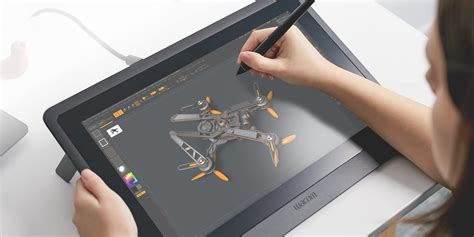
The discussion around graphics tablets also highlights an important aspect of digital art. While some users prefer the directness of screen tablets (like Wacom's Cintiq or high-end iPads), others find traditional non-screen tablets, when paired with a separate monitor, to be more ergonomically sound, allowing for better posture and desk setup. The good news is that Krita, when running on a Chromebook with Linux support, generally offers excellent compatibility with a wide range of graphics tablets, including Wacom and various budget-friendly alternatives. Many users report that these tablets function as "plug and play" devices within the Linux environment, simplifying the setup process considerably compared to other operating systems.
The journey of Krita on Chromebooks is an exciting development for digital artists. It signifies a move towards greater accessibility for professional creative tools and underscores the growing potential of Chromebooks as powerful workstations for a variety of demanding tasks. As Krita continues to evolve in its beta status on these platforms, it promises to empower a new generation of artists and creators.
tags: #krita #for #chromebook