Olivia Dunne, a prominent figure in collegiate sports and a burgeoning social media influencer, has found herself at the center of a heated debate concerning the authenticity of her online presence. As one of the highest-paid NCAA athletes, Dunne's every move, particularly her social media activity, is scrutinized by a vast and engaged audience. Recent discussions have coalesced around accusations of excessive photo manipulation, with fans and critics alike questioning the digital alterations present in her Instagram posts. This article delves into the controversy, exploring the specific instances that sparked the debate, the broader implications for social media and body image, and the potential impact on Dunne's public perception.
The Genesis of the Controversy: A "Tiger Nation" Post and Digital Discrepancies
The current wave of controversy surrounding Livvy Dunne's digital image began with a seemingly innocuous Instagram post captioned, "Tiger nation, let's ride." This post, intended to rally support for the LSU Tigers, featured a series of photographs showcasing Dunne in various athletic poses. While many of her followers showered her with praise, admiring her "great finesse" in gymnastics and her modeling prowess, a segment of her audience noted what they perceived as evident digital alterations.
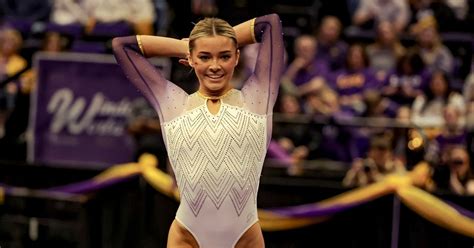
One particular photograph, depicting Dunne in a mid-air split with perfectly pointed toes, drew significant attention. Critics pointed out a "disconnection of Livvy from the background" that made the pose appear "unreal." This observation led to accusations that the image had been subjected to significant "photoshop." While some fans defended the gymnast, attributing the visual anomaly to the dynamic nature of gymnastics photography, others remained convinced that digital editing was at play. The debate escalated as users engaged in a back-and-forth, with some defending Dunne's natural beauty and athletic prowess, while others doubled down on their assertions of digital manipulation.
Beyond the Mid-Air Split: A Pattern of Perceived Editing
The scrutiny did not end with the mid-air split photograph. Further analysis by Instagram users and content creators, such as John Dorsey, suggested a more pervasive pattern of digital editing in Dunne's social media content. Dorsey's video, which gained traction online, purported to demonstrate how Dunne allegedly "edited every single Instagram photo to make herself look skinnier." The video specifically highlighted claims that Dunne had "cinched her waist to the point where there was no room left for her internal organs." While Dunne is widely acknowledged as a "gorgeous girl with a killer body," the assertion of "excessive photo manipulation" raised concerns among her followers.

Even after some of the photos in question were reportedly deleted from Dunne's account and that of LSU Gymnastics, the controversy persisted. Fans continued to scrutinize other images, noting potential distortions in the background or hair, which they attributed to the use of editing tools like FaceTune. This persistent observation by her audience fueled the narrative that digital alteration was a consistent element in Dunne's online persona. The fact that "edited photos published elsewhere (by LSU, magazines, etc.)" were perceived by some to make her "look even tinier than she already is" further amplified these concerns.
The Broader Implications: Social Media, Body Image, and Unrealistic Standards
The Livvy Dunne Photoshop controversy is not an isolated incident but rather a symptom of a larger, more pervasive issue within the realm of social media and its impact on body image. Content creators and celebrities, especially those with a significant following among impressionable young audiences, wield immense influence. When figures like Livvy Dunne, a celebrated gymnast and model, engage in what is perceived as the "toxic cycle of editing her body for an Instagram post," it sends a powerful, albeit potentially harmful, message.
The underlying concern is that such practices can foster a belief among young followers that a "flawless appearance is necessary for success." This can create a "harmful belief that they are inadequate if they don’t measure up to a digital enhanced image." This perceived inadequacy, in turn, can lead to a "cycle online of feeling like you have to alter your appearance as well." The pressure to conform to these digitally enhanced ideals is immense, and it is disheartening to see individuals like Dunne, who has already achieved significant success as "one of the top collegiate gymnasts in the country, being a Sports Illustrated swimsuit model, and having multiple other brand partnerships," potentially succumbing to these "impossible standards that our society has set for young girls and women."
The sheer volume of pressure, amplified by media portrayals and societal expectations, can lead even highly successful individuals to feel the need to alter their appearance. This not only affects the individual but also creates a ripple effect, impacting the hundreds of thousands of young girls who look up to them. The danger lies in the perpetuation of "unrealistic beauty standards," which can have detrimental effects on self-esteem and mental well-being. As one commenter aptly put it, "You're ruining the future. And realistic standards."
The Erosion of Trust and the Path Forward
Beyond the direct impact on body image, the persistent use of digital manipulation can also lead to a "sense of distrust from her followers and her audience." When the authenticity of online content is called into question, it can erode the credibility of the influencer. The question then becomes, "Will she end up with the same reputation?" and "Is there anything she can do to repair her image?"
The controversy highlights the importance of transparency in the digital age. It is crucial for influencers and public figures to be open with their followers about how they achieve their presented image. This includes being honest about the role of exercise, diet, and, importantly, editing tools. While some platforms may offer tools to enhance images, the excessive use of such features can lead to a disconnect between the online persona and the real individual.
The debate around Livvy Dunne's photoshops underscores a critical conversation about the role of digital alteration in shaping perceptions of beauty and success. It calls for a collective effort to promote more realistic and authentic representations of individuals, particularly for the benefit of younger, impressionable audiences navigating the complexities of social media. The desire for a flawless online presence, while understandable in a society that often equates perfection with worth, can inadvertently create a landscape of unattainable ideals, ultimately impacting both the creator and their audience. The journey towards fostering a healthier online environment requires a commitment to authenticity and a critical examination of the digital narratives we consume and perpetuate.