Adobe InDesign, a cornerstone software for professional digital publishing, has undergone a significant visual evolution since its inception. Developed for creating a wide array of publications, from e-books and posters to presentations and magazines, the program, first released in 1999, is now available in over 20 languages and across Windows and macOS platforms. Its visual identity, much like the sophisticated layouts it helps create, has been meticulously refined over the years, reflecting changing design trends and the software's own maturation. The history of the Adobe InDesign logo can be broadly categorized into two distinct phases: an earlier graphical representation and a subsequent, more text-based approach.
Early Explorations: The "K" and the Butterfly Era (1998-2007)
The initial conceptualization of InDesign's visual identity began in 1998, with a preliminary design featuring a stylized letter "K" set against a mountain backdrop. This early iteration, however, was a tentative step, quickly superseded by a more dynamic and symbolic approach.
In 1999, Adobe adopted a butterfly as the emblem for InDesign. This marked the beginning of a seven-year period characterized by this distinct motif. The very first iteration of the butterfly logo was rendered in a subdued gray color palette, elegantly framed by a sea-blue square. This design aimed to convey a sense of transformation and delicate artistry, fitting for a program that empowers users to bring their creative visions to life.
The butterfly continued its reign, evolving in complexity and color. By 2002, the logo became more detailed, embracing a fresh and artsy blue and purple color scheme. This vibrant combination injected a renewed sense of creativity and sophistication into the brand's visual representation. The subsequent year, 2003, saw a departure from the blues and purples, with a brown and yellow butterfly appearing on a simple white background. This iteration, while distinct, maintained the core butterfly symbolism for another two years.
The "butterfly era" concluded in 2005 with a final iteration featuring an elegant pink butterfly. This version was characterized by its lightness and near-transparency, offering a more ethereal and sophisticated feel. This period, spanning from 1999 to 2007, established a recognizable, albeit evolving, graphical identity for Adobe InDesign, hinting at the creative potential and transformative power of the software.
The Shift to Minimalism: The "Id" and Text-Based Logos (2007-Present)
A significant pivot in Adobe InDesign's visual identity occurred in 2007, ushering in an era of minimalism. The brand transitioned to a more streamlined concept, drawing inspiration from the color palette of the last butterfly logo. The new icon featured a dark pink square housing the white sans-serif letters "Id." This minimalist approach signaled a move towards clarity, directness, and a focus on the software's core functionality.
The minimalist phase continued to evolve. In 2008, the pink hue of the square became lighter, and the "Id" lettering adopted a bolder, black color, enhancing legibility and impact. This subtle shift further refined the minimalist aesthetic. The year 2010 brought a more three-dimensional feel to the logo, with the light pink letters appearing as if engraved onto the cover of a book, a clever nod to the publishing nature of InDesign.
The logo that is largely recognized today was designed in 2012. This redesign represented a further refinement and simplification of the software's icon. While the primary color scheme of pink and burgundy remained, both shades were elevated, becoming calmer and slightly darker. This adjustment lent the overall look a more elegant and robust character, reflecting the software's established position and sophisticated capabilities in the design industry. The visual identity was further refined and simplified in 2020, solidifying its current iteration.
The Power of Branding in the Digital Age
The evolution of the Adobe InDesign logo underscores a fundamental principle of branding: the need for visual identity to adapt and resonate with contemporary design sensibilities and the target audience. While the software itself has remained a powerhouse for creating digital and print publications, its logo has mirrored the broader design landscape's shift towards cleaner, more impactful visuals.
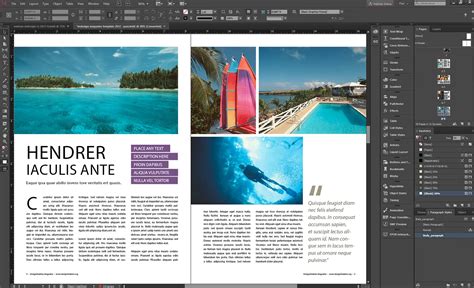
The contemporary logo, with its refined color palette and minimalist typography, effectively communicates sophistication, precision, and creativity - core attributes of Adobe InDesign. This visual language ensures that the software is not only recognized but also associated with the high-quality output it facilitates.
Beyond the core logo itself, Adobe provides tools like Adobe Express, enabling users to personalize their branding. This allows for the creation of logos that can be animated, downloaded in high-quality formats (PNG, JPG), and uploaded to brand kits for consistent application across various designs. The availability of extensive font libraries, including thousands of free Adobe Fonts, further empowers users to craft logos that align with their specific brand identity, whether opting for bold, impactful styles or modern, sleek aesthetics like Helvetica.
The Adobe Express logo maker, a free and accessible tool, simplifies the logo creation process. It offers a vast array of customizable templates, drag-and-drop editing features, and the ability to incorporate icons, graphics, and shapes. Users can even upload their own branded assets and fonts, and define unique color schemes, making the process of creating a personal or business brand shine remarkably straightforward. The AI-powered features within Adobe Express, including those powered by Adobe Firefly in certain regions, can further accelerate the creation of unique logos by generating graphics, text effects, and color variations.
The logo maker’s ability to generate dozens of logo ideas, with or without a slogan, and its use of a library of free icons, democratizes professional branding. For those wishing to incorporate personal imagery, the option to sign in and open their logo in Adobe Express provides further customization. The resulting logos are automatically optimized for clarity across both digital and print use, typically downloaded as square 500px by 500px files, making them ideal for profile images on social media and other digital platforms.
The accessibility of Adobe Express, with its free plan offering core features, thousands of templates, photo editing capabilities, animation, and 2GB of storage, ensures that powerful branding tools are available to a wide audience. Any new or existing project can be transformed into a shareable template, fostering collaboration and consistency.
The journey of the Adobe InDesign logo, from a tentative "K" to the refined butterfly and finally to the minimalist "Id," is a testament to the enduring power of thoughtful design. It highlights how a visual mark can evolve to represent not just a product, but a commitment to creativity, professionalism, and the ever-changing landscape of digital design. The availability of tools like Adobe Express further democratizes this process, empowering individuals and businesses to create compelling visual identities that effectively convey their brand's essence.