Neon pink, a color that bursts with energy and demands attention, is a vibrant hue that has captivated designers and artists for decades. Its electrifying presence is often associated with boldness, excitement, and a touch of rebellion. When delving into the technical aspects of reproducing this striking color, understanding its CMYK values is paramount, especially for print-based projects. The commonly cited CMYK code for neon pink is (0 56 20 4). This notation signifies the precise proportions of Cyan, Magenta, Yellow, and Black inks required to achieve this specific shade. The interplay of these four primary colors, when mixed in these exact percentages, allows for the recreation of the vivid, almost glowing effect that defines neon pink.
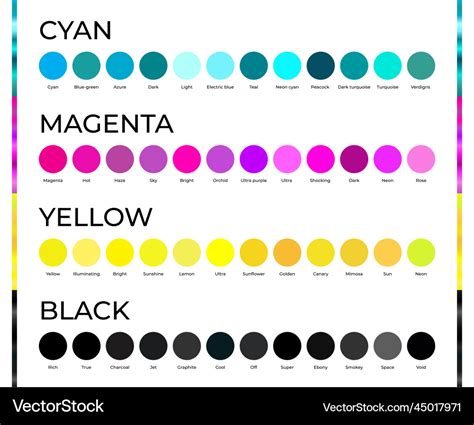
It is crucial to recognize that in the practical application of four-color process printing, there isn't a single, universally mandated method for mixing pigments to achieve a precise color like neon pink. CMYK values provide a framework, but the exact outcome can be influenced by the specific ink formulations of different manufacturers, the printing substrate, and even the calibration of the printing press. Furthermore, many color names, including "neon pink," are often designated by popular consensus rather than strict industry standards, leading to variations in interpretation.
Understanding the Nuances of CMYK Color Mixing
The CMYK (Cyan, Magenta, Yellow, Key/Black) color model is a subtractive color model, meaning that it works by absorbing (subtracting) certain wavelengths of light and reflecting others. When these inks are applied to a white surface, such as paper, they absorb specific colors from white light. The color that is reflected back to the viewer is what we perceive.
For neon pink, the CMYK values (0 56 20 4) indicate:
- Cyan (0%): No cyan ink is used. This allows the other colors to contribute to the pink hue without being dulled by cyan.
- Magenta (56%): A significant amount of magenta ink is used, which is the primary component responsible for the pink and reddish tones.
- Yellow (20%): A moderate amount of yellow ink is incorporated. Yellow, when mixed with magenta, creates warmer pinks and helps to achieve the vibrant, almost fluorescent quality.
- Black (4%): A small percentage of black ink is used. This is often added in small amounts to deepen the color slightly, add a touch of contrast, or help achieve a more precise shade without making the color muddy.
While the CMYK values provide a blueprint, achieving true "neon" intensity in print can be challenging. The "neon" effect is often associated with fluorescent colors that emit light, a phenomenon that standard CMYK inks cannot replicate. However, by carefully balancing the CMYK components, designers can approximate a highly saturated, vibrant pink that evokes a similar visual impact. The goal is to maximize the vibrancy and saturation to create a color that stands out prominently, even if it doesn't possess actual luminescence.
The Broad and Beautiful World of Pink Hues
Beyond the specific technicalities of neon pink, the color pink itself is undeniably a positive and versatile hue. Its spectrum ranges from the softest pastels to the deepest, richest tones, each carrying its own unique emotional resonance and design potential. The provided information highlights a rich tapestry of pink shades, illustrating the color's remarkable adaptability.
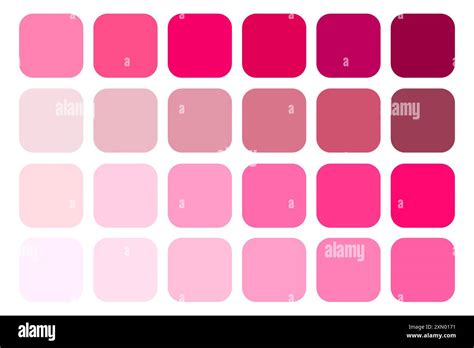
From the gentle embrace of pastel pink and baby pink to the lively warmth of coral and the sophisticated depth of Indian red, pink has the power to uplift and inspire. Each shade offers a distinct character:
- Watermelon evokes the refreshing sweetness of its namesake fruit, a warm, medium to dark pink.
- Flamingo brings to mind the elegant grace of the bird, a light to medium pink with a cooler tone.
- Coral captures the vibrant hues of the ocean floor, a warm, medium pink.
- Salmon reflects the delicate flesh of the fish, a light to medium pink.
- Cherry blossom offers a delicate, light pink reminiscent of spring's ephemeral beauty.
- Bubblegum is a playful, light pink, instantly recognizable and cheerful.
- Dark pink provides a more intense, medium to dark option for bolder statements.
- Rouge adds a touch of drama with its dark, dusky purplish-pink hue.
- Blush offers a soft, dusty pink, evoking a natural flush.
- Fuchsia is a vibrant medium purplish-pink with warm undertones, a classic for energetic designs.
- Mauve presents a light, cool shade that often bridges the gap between pink and purple.
- Orchid mirrors the enchanting purplish-pink of its floral namesake.
- Magenta is a dark yet bright pink with a distinct purplish character.
- Carnation delivers a soft, light to medium pink, as gentle as the flower.
- Tulip pink shares similarities with coral and salmon, a warm, medium shade.
- Tea rose is a cooler-toned, light pink, akin to baby pink.
- Cotton candy is a pale, cool pink, as ethereal as its name suggests.
- Cameo pink offers a muted, dusky purplish-pink, reminiscent of vintage jewelry.
- French pink is a bright, light to medium pink with warm overtones.
- Strawberry is a light to medium pink with inviting red undertones.
- Indian red is a muted, medium to dark pink with potential classification as a red.
- Munsell red is another pink found within the red family of colors.
- Cardinal is a deep, reddish-pink, comparable to dark or even neon pink.
- Crayola red offers a medium to dark pink that is both bright and rich.
- Ruby is a medium darkish pink, brighter than dark pink but less warm than neon.
- Redwood presents a dusky, brownish-pink with subtle lilac undertones.
- Rusty red, despite its name, is a warm, dark pink hue.
- Amaranth is a rich, medium to dark pink.
- Bright maroon is a dark, reddish-pink with hints of warm purple.
- Candy pink is a deep pink with rich red and subtle purple undertones.
- Cherry pink is a medium, bright pink with a warm, reddish hue.
- Chestnut is a warm, dusky medium to dark pink with brownish undertones.
- Dark coral offers a deeper version of coral, as the name suggests.
- Dark pastel red is a dark, orangey-red pink that can also be considered red.
- Dark salmon is a peachy, pink shade warmer than traditional salmon.
- Lemonade is a soft, pale pink, even lighter than pastel pink.
- Peach is a soft, pale orangey-pink, reminiscent of the fruit's exterior.
- Crepe is a warm, light to medium pink, lighter than strawberry.
- Pig Pink, aptly named, is a pale pink subtle enough for walls or backgrounds.
- Deep Pink can appear as an intense, near-neon shade, despite its name.
- Dust Storm is a muted, dusty pink option, ideal against pale neutrals.
- Nadeshiko Pink, named after a delicate flower, offers a soft pink hue.
- Rose Quartz is a quiet, cool pink, close to purple, named after the gemstone.
- Wild Strawberry offers a bright and cheerful spirit, more pink than red.
- Raspberry Pink is a warm, magenta-rich pink that adds energy.
- Rose Taupe acts as a neutral, sitting between rosy pink and sandy taupe.
- Rubine (meaning ruby) possesses the presence of a gemstone, a magenta-heavy pink described as red.
- Dreamy Pink is similar to fuchsia, with a bright, summery character, good for grabbing attention. It has a balance of blue and magenta.
- Mexican Pink holds cultural significance, symbolizing charisma and seen on taxis in Mexico City.
- Metallic Pink has a somewhat metallic look and is a Crayola color.
- Rose Gold Pink is a dusty shade, close to the color of rose gold jewelry.
- Rose Bonbon is a balanced shade with high proportions of yellow and magenta, plus blue, making it soft and bright.
- Pantone Magenta is a cheerful, bright magenta offered by Pantone, ideal for youthful designs.
- Mulberry Pink mimics the juice stain of mulberries, not the fruit's dark color.
- Razzle Dazzle Rose is a Crayola color bringing cheer.
- Fandango is a bright, highly saturated pink with a purplish touch, popping against green or pale yellow.
- Faded Denim is an uncommon name for a pinkish brown with a hint of purple.
- Old Rose is a muted, mauve-like shade with vintage appeal.
- Rosewood is inspired by the wood's color, a dusky, brownish-pink.
- Sparkling Pink is a delicate, candy-inspired pale pink that is energetic.
- Turkish Rose is a somewhat unusual, muted shade that still offers fresh energy.
- Strawberry Pink is a fruity color with a high proportion of red for an in-your-face shade.
- Tropical Pink offers a beautiful depth, its complementary turquoise looking stunning alongside it.
- Violet Magenta is a deep, purplish magenta, approximately between rose and raspberry.
- Light Crimson is a diluted crimson, pale yet bright, with a high proportion of red balanced by a little blue.
- Raspberry Sherbet is a refreshing light pink, saturated yet pastel-like and easy on the eyes.
- Thulian Pink is a bright, saturated shade slightly purplish, bright without being neon.
- Brilliant Rose is an especially high-energy, bright but not overly dark pink, less intense than hot pink.
- Pale Pink Lace is a delicate shade with cool undertones, soft enough for wall color.
- Happy Magenta is a magenta shade with more purple than many others.
- Your Pink is a pale, peachy color with equal magenta and yellow, creating soft warmth.
- Oyster Pink is a very soft pink, leaning more toward purple than peach.
- Shimmering Blush has a pleasant, almost metallic quality, a balance between rose and lavender.
- Sea Pink is the color of the inside of a seashell, a warm, peachy shade with equal magenta and yellow.
- Brink Pink is a bright medium pink, a step down from hot pink, with high red and low green/blue.
- Hippie Pink is an outlier, too red for mauve, too purple for raspberry, like watered-down maroon.
- Light Deep Pink has incredible depth and presence, ideal for light pink that grabs attention without being too loud.
- Orchid Pink shades have calming beauty, with Wild Orchid having a dusty quality.
- Cerise Pink is a deep, bright pink, one of the most vivacious shades.
- Shocking Pink is an electric shock to the eyes, primarily magenta with blue for depth, looking great with Kelly green.
- Hit Pink is a peachy, coral-like pink that looks great with sky blue, containing more yellow than magenta.
- Lady Pink is a dignified shade with a vintage look, peachy but more red than Hit, between peach and mauve.
- Neon Fuchsia is a genuine neon shade, packing extra punch with high magenta and yellow.
- Schauss Pink (also Baker-Miller Pink) is a calming color, named after a researcher who studied its effects. It has equal red and blue, and only magenta in CMYK.
- Blush Pink is the tone of a healthy flush or powdered blush.
- Pink Pearl has a soft, almost lavender, pearlescent sheen.
- Lavender Rose sits between lavender and pale pink rose, close to lilac.
- Pink Shampoo is a pale, pearly shade, primarily magenta but low in saturation.
- Generic Pink is a soft, youthful, floral pink, often used in lipsticks.
- Valentine Pink is a calmer choice for Valentine's Day, with high blue and cool undertones for balance.
- Silvery Pink is between gray and pink, with a higher proportion of black giving it a shadowy quality.
- Melon Pink is a soft, peachy color, subdued but cheerful and mellow, with slightly more yellow than magenta.
The Psychology of Color - How It Influences Your Mood and Behavior
Neon Pink in Design: Making a Bold Statement
Neon pink is a color that embodies boldness, confidence, and excitement. It often connotes individuality and the vibrance of the digital era, acting as a symbol of rebellion against conformity. In color psychology, it is stimulating, exciting, and eye-catching. While its energizing nature can be overwhelming in large quantities, creating a sense of urgency, it is highly effective when used strategically.
In UI and UX design, neon pink serves a crucial role in establishing visual hierarchy and providing clear feedback. Like a neon light, it can draw the eye, making it ideal for Call-to-Action (CTA) buttons, highlighting new features, or signaling important information. Its ability to create a stimulating and engaging atmosphere makes interfaces feel more dynamic. For instance, changing a text box border from white to neon pink can immediately confirm user input, or a neon pink checkmark can reinforce a successful action.
However, designers must be mindful of accessibility considerations. The contrast ratio between neon pink and other elements, particularly text, is critical to ensure readability. Tools like Figma plugins can help designers meet Web Content Accessibility Guidelines. For example, #FF13F0 text on a #FFFFFF background provides a contrast ratio of 3.18, which fails for large text and normal text according to WCAG standards. Conversely, #FF13F0 text on a #FFFFFF background offers a contrast ratio of 6.6, passing for large text and normal text. This highlights the importance of careful pairing.

When it comes to complementary colors, neon pink plays best with palettes that either balance its intensity with dark neutrals or pair it with equally vivid hues in a deliberate, graphic manner.
- Neon green (#2CFF05) complements neon pink's brightness but should be used sparingly to avoid eye strain.
- Mint blue (#98FBCB) enhances neon pink's cooler undertones for a calmer, yet vibrant palette.
- Mauve (#E0AFFF) refines neon pink's electricity with a soothing air.Other colors like aqua, burgundy, and jade green can also create interesting combinations.
Conversely, some colors can clash with neon pink's high saturation and undertones:
- Lavender (#D3D3FF) can conflict due to its low saturation and red undertones.
- Peach (#FFDAB9) can blunt neon pink's energy with its low saturation and orange undertones.
- Cyan (#00FFFF) creates a jarring contrast with its bright, cool tones.
- Lilac (#C8A2C8) pales next to neon pink with its low saturation and stronger purple undertones.
Variations and Evolution of Neon Pink
The term "neon pink" itself has evolved. Originating from the invention of neon lights by Georges Claude in the early 1900s, the adjective "neon" has come to describe various bright, vibrant colors. The 1980s saw a resurgence of bright colors like neon pink in fashion as a form of rebellion against muted tones. This ultra-bright aesthetic has remained popular in nightclub and festival cultures, where its glow effect complements high-energy environments.
Beyond the core neon pink, there are numerous variations that expand its design potential:
- Neon Pink Tint (#FFD1F4) is a soft, airy variation that maintains the pink-magenta feel without the harsh glare.
- Bubblegum Neon (#FF7AE8) is a lighter, neon-leaning pink that feels playful and modern.
- Neon Pink (#FF2BD6) represents the core bright neon pink with maximum saturation and high visibility.
- Electric Magenta (#FF00D6) offers a sharper, more intense magenta-leaning version with a synthetic punch.
- Deep Neon Pink (#CC008F) is a darker, richer take that reduces brightness while retaining boldness.
The "neon" quality, while difficult to replicate perfectly in standard CMYK printing, is often approximated by using highly saturated inks and careful color balancing. While truly neon intensity is hard to reproduce in print, designers can achieve a striking effect by treating neon pink like a spotlightâusing it strategically for impact rather than as a dominant background color. Reducing the amount of neon pink on the page and increasing neutral space around it can also help manage its intensity and improve legibility.
The cultural significance of colors is also noteworthy. Mexican Pink, for instance, holds significant cultural importance in Mexico, symbolizing the country's charisma. Understanding these nuances is vital for global design projects.
In essence, neon pink is a powerful tool in the designer's palette. Its technical CMYK values provide a starting point for reproduction, while its psychological impact and diverse range of shades offer endless creative possibilities. Whether aiming for a bold statement or a subtle accent, neon pink, when used thoughtfully, can inject energy, excitement, and personality into any design.