Adobe’s commitment to advancing digital photo editing is once again showcased with the rollout of Photoshop Version 27.4. This latest iteration is packed with innovative tools, intelligent features, and an improved user experience, poised to revolutionize creative projects for photographers of all skill levels. From the perspective of a retoucher at FixThePhoto, who had the unique opportunity to explore Photoshop v27.4 before its official release, this version represents a significant breakthrough for both seasoned professionals and beginners. After extensive testing on various images, the confidence in this update’s capabilities is well-founded.
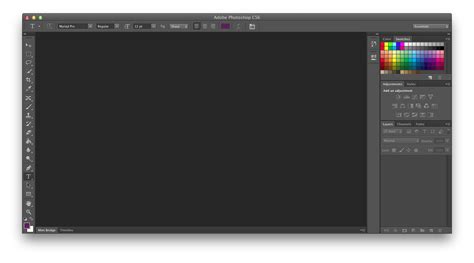
While "Photoshop crack" is a prevalent search term, it represents one of the most dangerous and illegal avenues for accessing Adobe Photoshop without a subscription. Typically, these "cracked" files manifest as Photoshop KeyGens, patches, or download masters. In essence, a crack is a method to bypass or remove the software protection implemented by developers to control its functionality and usage. The primary objective of a crack is to unlock restricted features for free or to circumvent the payment system entirely. Consequently, installing a cracked version of Adobe Photoshop CC on a PC illegally bypasses the activation system, negating the need for an activation key.
Photoshop continues its evolution into a more potent editing program, increasingly powered by Artificial Intelligence. The main objectives of recent revisions include enhanced general stability, increased generating accuracy, and more intelligent non-destructive controls. These advancements aim to provide users with a smoother and more powerful editing experience.
Cutting-Edge Features in Photoshop v27.4
The latest version of Photoshop introduces several groundbreaking features designed to streamline workflows and elevate the quality of image manipulation. These enhancements reflect Adobe's dedication to staying at the forefront of digital imaging technology.
Clarity and Dehaze Adjustment Layer
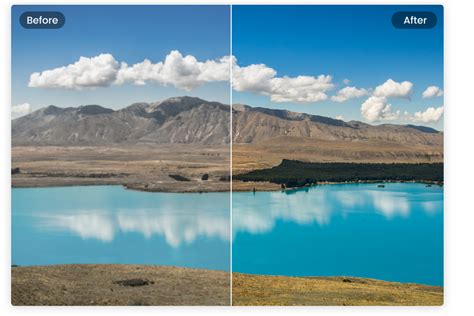
Adobe has developed specific non-destructive adjustment layers for Clarity and Dehaze. These tools allow users to effectively eliminate atmospheric haze and enhance midtone contrast directly within their PSD workflow. The refinements offered by these layers are significantly safer and more flexible than previous methods, as all adjustments remain completely changeable, preserving the integrity of the original image data.
Grain Adjustment Layer
A new addition, the Grain Adjustment Layer, permits users to add and modify texture without resorting to destructive overlays. This feature enables users to maintain a clean, reversible layer structure while precisely adjusting the grain's strength and character. This provides a more controlled and non-destructive approach to adding film-like texture to images.
Updated Firefly Models
Photoshop now integrates enhanced Firefly AI models. These updated models contribute to cleaner edge blending, improved lighting consistency, and more precise object integration when creating new elements or expanding backdrops. This means that AI-generated content seamlessly blends with existing imagery, producing more natural and believable results.
Reference Image for Generative Fill
A significant improvement in this version is the ability to use a reference image to guide AI outcomes in Generative Fill. This feature ensures more predictable generative results, allowing for regulated item appearance and more consistent style matching. Users can now have a greater degree of control over the aesthetic direction of AI-generated content.
Improved Remove Tool
The updated Remove Tool offers cleaner object removal with fewer artifacts and reduced need for manual correction. Its more intelligent analysis of surrounding pixels allows it to seamlessly blend removed areas with the background, creating a more natural and less noticeable edit.
Version 27.4 Stability Enhancements
This most recent version of Photoshop focuses on speed improvements, bug fixes, and smoother AI processing. These stability enhancements make Photoshop more dependable, particularly when working with large RAW files and intricate layered projects, ensuring a more fluid and uninterrupted creative process.
Photoshop 2026: The Biggest NEW Features Tested! (AI Nano Banana, Topaz Upscaling & More!
The Perils of Using Photoshop Crack
Despite the allure of free software, using a "Photoshop crack" is fraught with significant risks and severe consequences. While the search for such methods is popular, it leads users down a dangerous and illegal path.
What Exactly Is a Photoshop Crack?
In simple terms, a crack is a piece of software designed to remove or bypass the security measures implemented by developers to control the use and functionality of their software. Its main task is to unlock closed functionalities for free usage or to completely outwit the payment system. By installing Adobe Photoshop CC crack on a PC, users illegally bypass the activation system, thus avoiding the need for a legitimate activation key.
Safety and Security Risks
Adobe Company guarantees that when you download its software, you are installing a "clean" program without hidden threats. However, downloading cracked Photoshop CC from unknown resources or using questionable installers exposes users to serious problems. A good antivirus program is not always capable of protecting against an infected Photoshop crack file. This is because, for an antivirus to detect a threat, the specific virus must be added to its unified database. Cracked software, by its nature, does not have access to official servers and is therefore limited in terms of updates, including critical security patches.
Lack of Updates and Technical Support
Cracked Adobe Photoshop for Mac or Windows, like any other hacked software, is disconnected from official update channels. This means users miss out on new features, performance improvements, and, crucially, security updates that protect against emerging threats. Furthermore, when technical issues arise-such as errors or software crashes when opening RAW files-users of cracked versions will not have access to Adobe's 24/7 Technical Support. Since the software is not linked to an account and is not registered in Adobe's database, there is no official support channel to resolve problems.
Legal Ramifications and Financial Penalties
The use of pirated software is a violation of copyright law, and Adobe actively pursues legal action against individuals and organizations found to be using unlicensed software. Several high-profile cases illustrate the severe consequences:
- Design Agency Fined: A design agency was caught using pirated Adobe Photoshop and Illustrator. Following an audit triggered by a former employee, Adobe initiated legal proceedings. The company was compelled to pay a substantial settlement of $150,000 and transition to official Adobe licenses.
- German Freelancer Sued: A freelance graphic designer in Germany faced legal action from Adobe after being discovered using cracked Photoshop for paid work. Through IP tracking, Adobe identified the infringement. The designer was subsequently fined €12,000 to cover fines and legal expenses, which significantly damaged his reputation and led to the loss of several clients.
- IT Company Shut Down: A Mumbai-based IT business was found to be selling computers preloaded with cracked Adobe Creative Cloud applications. An investigation conducted by Adobe and the Business Software Alliance (BSA) resulted in criminal charges, the company's closure, and a large settlement payment.
- UK University Department Audited: A media department at a UK university was found to be using cracked versions of Photoshop and Premiere Pro on student computers during an audit. A technician had downloaded and installed a cracked version of Photoshop, highlighting the widespread nature of software piracy.
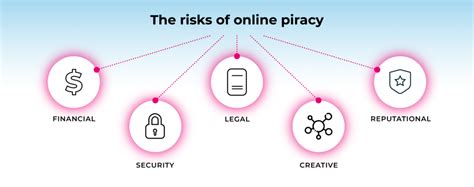
Impact on the Creative Community
Cracking Photoshop not only harms Adobe but also damages the entire creative community. Piracy causes companies to lose income, which directly translates to fewer resources available for developing new updates and innovative tools. Smaller software makers are hit the hardest by this loss of revenue and may even be forced to close down, reducing the diversity and competition within the software market.
Legal and Ethical Alternatives to Photoshop Crack
For individuals and businesses seeking advanced image editing capabilities without resorting to illegal methods, several legitimate and affordable alternatives exist. Adobe offers various subscription plans, and there are also excellent free and paid third-party options.
Adobe's Official Subscription Plans
Adobe provides flexible subscription options that grant access to Photoshop and a suite of other powerful creative tools. These plans ensure users receive the latest features, regular updates, and dedicated technical support.
- Photoshop Single App Plan: This plan provides access to Photoshop for desktop and iPad, along with the latest functions and updates. It also includes 100GB of cloud storage, Adobe Fresco, Adobe Portfolio, Adobe Fonts, and Adobe Express.
- Photoshop and Lightroom Plan: Often considered the most popular variant for professional photographers due to its price-to-quality ratio, this plan offers every tool needed to edit, retouch, and manage images effectively.
- All Apps Plan: This comprehensive package is ideal for users who require a wide range of creative tools. It includes all available apps within Creative Cloud, suitable for advanced retouching, 3D graphics development, drawing, text processing, video editing, special effects, and modeling. It also provides 10GB of cloud storage, a personal Adobe Portfolio, and access to Adobe Fonts and Adobe Express.
For students and teachers, Adobe often provides significant discounts, making these powerful tools more accessible. Promotions are also run periodically through Adobe's official channels or partners.
Free Photoshop Alternatives
For those on a tight budget or seeking open-source solutions, several powerful free alternatives can meet many of Photoshop's functionalities.
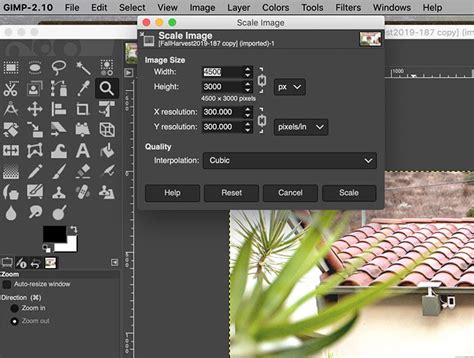
GIMP (GNU Image Manipulation Program): GIMP is a cross-platform image editor with an open-source code. It features an intuitive interface and advanced tools for in-depth image retouching, including masks, layers, and adjustable brushes. Its open-source nature allows users to manually edit the source code, contributing to its continuous improvement. GIMP also supports many Adobe Photoshop plug-ins, offering compatibility with a wide range of professional brushes and overlays.
XnView: XnView is a raster photo editor with an open-source code available for Windows. Its simple interface and intuitive tools make it an excellent choice for beginners. Unlike GIMP, XnView offers batch processing for RAW and JPEG files, streamlining workflows for users who need to edit multiple images. It provides various viewing options, including slideshows, and includes tools for image editing such as adjustable sliders, masks, layers, brushes, effects, and filters.
Canva: While positioned as an advanced editor for design creation-including layouts, advertising banners, and logos-Canva also offers tools for basic image retouching and color correction. Available via a browser and as a desktop version, it features automatic sliders for enhancing shadows, brightness, and contrast, along with a crop tool and filters.
Paid Third-Party Alternatives
Beyond Adobe's offerings, several other professional-grade paid software options provide robust image editing capabilities.
Affinity Photo: This is a powerful, professional-grade raster graphics editor that offers a one-time purchase option, making it a cost-effective alternative to Adobe's subscription model. It boasts a comprehensive suite of tools for photo editing, retouching, and compositing, rivaling Photoshop in many areas.
Krita: Primarily known as a digital painting application, Krita also possesses strong image manipulation capabilities. It is free and open-source, making it a compelling choice for artists and editors looking for a powerful, no-cost solution.
User Experiences and Considerations
Real-world experiences highlight the challenges and considerations when dealing with Photoshop and its alternatives.
One user expressed a common dilemma: "I’ve been using Lightroom and Photoshop cracks for a while since I can’t afford the subscription, and I need these tools to make a living. Would Adobe actually be okay with that? Like, if they’d give me a pass, I’d keep using them till I can buy a legit sub. Do they ever make allowances for people in this kind of situation?"
The response underscores Adobe's stance: "Adobe’s not cool with using cracked versions, and honestly, it can be sketchy for your computer since those versions can carry malware and other junk. Plus, it’s a copyright violation. I’d suggest looking into Adobe Genuine Service program to stick with licensed products." This advice emphasizes the security risks and legal implications. Retouchers at FixThePhoto consistently advocate for licensed software, citing the assurance of quality and system security.
Another user shared their long-term use of a cracked CS6 version: "I've been using a cracked version of Photoshop CS6 for like 7 years, and it's been doing just fine for me. But lately, I’m gettin' some red flags, and I think it’s about time to level up. Anyone else still using those ancient cracked versions? FYI, if you wanna keep it rolling, just block Adobe’s servers in your firewall. That hack totally worked for my old CS6."
This sentiment is met with caution: "Adobe’s subscription model really annoys me, and these alternatives are really cool." The frustration with subscription fees is a common theme, leading users to explore alternatives like Krita or Affinity Photo. The advice to block Adobe's servers is a temporary workaround that bypasses the "not legit" pop-ups but does not eliminate the inherent risks. Furthermore, Adobe has been known to phase out support for older versions, meaning such workarounds may eventually fail.
The issue of leftover trial files after deciding to go legitimate is also a practical concern: "Last year I installed a Ps trial for work, BC had no money for sub. Over time, I decided to go legit, but totally forgot to wipe all the trial files. Now, when I try to get my system clean, IDK how to properly delete these leftovers."
Solutions like using specialized cleaner tools (e.g., AppCleaner) or performing a full system wipe are recommended to ensure all traces of potentially problematic software are removed. The advice often includes checking system folders for hidden malicious files that might have been installed alongside cracked or trial versions.
The Importance of System Integrity
"Hey dude, Props for going legit with Adobe! But watch out-cracked stuff can drop malware that messes with your legit apps. Even if you removed the cracked version, some files or settings might still be in your system. If you haven’t already, I'd suggest a full system wipe to keep it clean and safe. It’s a bit troublesome, but could save you later." This highlights that even after uninstalling cracked software, residual malware or system modifications can persist, causing issues with legitimate applications. Working at FixThePhoto, the emphasis is always on using licensed software to avoid these risks and ensure a secure workflow.
The consensus among experienced professionals is that while the initial cost of legitimate software might seem high, the long-term benefits of security, stability, updates, and support far outweigh the risks and potential costs associated with using cracked versions. The integrity of one's system and the security of one's work are paramount in the professional creative field.