In the hyper-competitive digital marketplace, visual content reigns supreme. Consumer trust is built within mere seconds of viewing a product image, making its quality paramount. At the heart of professional product presentation lies the Photoshop clipping path service, a foundational technique that allows businesses to meticulously isolate subjects from distracting backgrounds, ensuring the sole focus remains on the product itself. This comprehensive guide delves into the intricacies of Photoshop clipping path services, serving as an authoritative resource for professionals across various industries.
What is a Clipping Path in Photoshop?
A clipping path is a closed vector outline, meticulously crafted around an object using Adobe Photoshop’s versatile Pen Tool. Unlike selections based on pixels (raster-based), clipping paths are resolution-independent. This inherent characteristic ensures that the edges of the isolated object remain impeccably sharp and clean, regardless of whether the image is destined for web display or large-format print applications. Technically, clipping paths are most effective for objects possessing well-defined, hard edges.
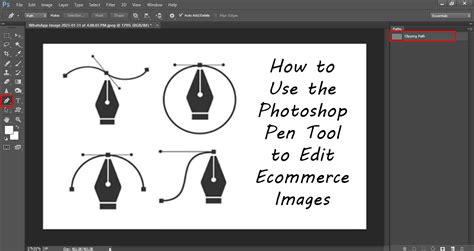
The process of creating a clipping path involves tracing the desired object with the Pen Tool, establishing anchor points and curves to precisely follow its contours. Once the path is complete and closed, it can be converted into a selection. This selection then acts as a mask, enabling the removal or replacement of the background while preserving the integrity of the object. This method is widely used in e-commerce, advertising, and catalog production, where distraction-free images significantly improve clarity and conversion rates.
Why the Photoshop Clipping Path Service Remains Essential
Despite the rapid advancements in artificial intelligence and automated image-editing software, Photoshop clipping path services continue to hold significant relevance. Many AI-based tools falter when dealing with reflective surfaces, overlapping objects, intricate internal cutouts, and subtle, organic curves. In the contemporary digital landscape, the demand for premium visual content has not waned but has, in fact, intensified. Marketplaces have become more stringent in their requirements, consumers are increasingly visually discerning, and brands are engaged in fierce competition based on their presentation.
E-commerce platforms, in particular, rely almost exclusively on imagery to convey product value. Clipping path services are instrumental in helping e-commerce businesses maintain uniform backgrounds, accentuate product details, and adhere to the often strict image guidelines set forth by various online marketplaces.
Industries Reliant on Clipping Path Services
A diverse range of industries depends heavily on the precision and professionalism offered by clipping path services to enhance their visual content.
E-commerce Businesses
For online retailers, product images are the primary, and often only, point of interaction with potential customers. Clipping path services are crucial for isolating products, ensuring they are presented against clean, consistent backgrounds that meet marketplace standards (e.g., Amazon’s white background requirement). This focus on the product enhances visual clarity, reduces distractions, and ultimately contributes to higher click-through rates and conversion.
Professional Photography Studios
Photography studios utilize clipping paths as an integral part of their post-production workflow. Whether for product shots, fashion photography, or lifestyle imagery, clipping paths allow photographers to refine their images, remove unwanted elements, or prepare them for compositing into different scenes, ensuring a polished and professional final output.
Digital Marketing Agencies
Marketing agencies depend on visual consistency and high-quality imagery across all their campaigns. Clipping paths enable them to create cohesive visual narratives, ensuring that product or brand imagery is presented with the utmost professionalism and impact across various platforms, from social media to digital advertisements.
Print and Publishing Industry
In the realm of print media, image quality standards are exceptionally high. Clipping paths are essential for preparing images for brochures, magazines, catalogs, and other print materials, guaranteeing sharp, clean edges and precise isolation of elements for high-resolution reproduction.
Types of Photoshop Clipping Path Services
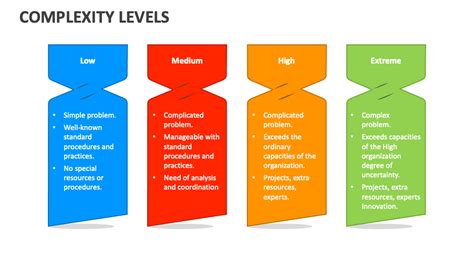
Clipping path services are categorized based on the complexity of the object being isolated. This classification helps in determining the effort, time, and expertise required for each task.
Basic Clipping Path
This category is reserved for objects with very simple shapes and minimal, if any, curves. Think of items like rectangular boxes, basic bottles, or simple geometric forms. These require a straightforward path with few anchor points, making them a relatively quick and less labor-intensive process.
Simple Clipping Path
Slightly more complex than basic paths, simple clipping paths are used for objects with gentle curves and moderate detailing. Examples include wristwatches, rings, or shoes with less intricate designs. These require more precision and a few more anchor points than basic paths.
Complex Clipping Path
Objects with numerous curves, multiple holes, or overlapping parts fall under this category. Jewelry, intricate furniture, or detailed decorative items often necessitate complex clipping paths. This requires significant manual effort, a high degree of precision, and a larger number of anchor points to accurately capture all the details and internal cutouts.
Super Complex Clipping Path (Deep Etching)
This is the most challenging and labor-intensive type of clipping path service. It is required for images with extremely fine details, intricate textures, or numerous small components. Examples include lace fabrics, ornate jewelry with filigree, detailed group shots, or items with delicate, interwoven structures. This process demands expert-level Photoshop skills and considerable time to achieve flawless results.
Clipping Path vs. Image Masking: Understanding the Difference
Clipping paths and image masking are both techniques used to isolate objects from their backgrounds, but they serve distinct purposes and are suited for different types of imagery.
A clipping path is a vector-based outline that creates sharp, hard edges. It is ideal for objects with well-defined boundaries, such as products, electronics, or furniture. When an image is saved with a clipping path, it essentially defines a boundary within which the image is visible.
Image masking, on the other hand, utilizes layer masks or channels to preserve fine details and create soft, feathered edges. It is the preferred method for subjects with soft or transparent edges, such as hair, fur, smoke, fire, or translucent materials. Image masking allows for more nuanced control over transparency and edge blending, essential for maintaining realism in complex subjects.
While clipping paths work best for solid edges, more complex subjects like hair or fur often require image masking instead. Many professionals utilize a combination of both techniques for optimal results, using a clipping path for the main object and a layer mask for softer, more intricate areas.
The Professional Clipping Path Workflow
A professional clipping path service provider follows a structured workflow to ensure high-quality results:
- Image Analysis: The process begins with a thorough analysis of the image to determine the object's complexity, edge type, and any specific requirements.
- Manual Path Creation: Using Adobe Photoshop's Pen Tool, a skilled editor meticulously draws a closed vector path around the subject. This is a manual process that requires precision and attention to detail.
- Path Refinement: Editors work at high zoom levels (often 300% or more) to ensure every curve and edge is perfectly aligned with the object's outline, eliminating any irregularities or pixelation.
- Selection and Isolation: The created path is converted into a selection, which is then used to isolate the object from its background.
- Background Handling: The background is either removed entirely (creating a transparent image) or replaced with a desired background, such as a clean white or a custom scene.
- Quality Control: Before delivery, the edited image undergoes a rigorous quality control check to ensure adherence to all specifications, sharpness of edges, and overall visual appeal.
Marketplace Requirements and Clipping Path Compliance
Online marketplaces such as Amazon, eBay, and Etsy have stringent image guidelines to maintain a consistent and professional user experience. These requirements often include:
- Pure White Backgrounds: Many platforms mandate that product images be displayed on a pure white background (RGB 255, 255, 255).
- Clear Isolation: Products must be clearly isolated from any distracting elements.
- Accurate Representation: Images must accurately represent the product's color, shape, and details.
- Sufficient Resolution: Images must meet minimum resolution requirements for clarity.
Failure to comply with these standards can lead to product listing rejection, suppression, or a negative impact on sales. Clipping path services are essential for e-commerce businesses to ensure their product imagery meets these critical marketplace demands.
Common Mistakes in Low-Quality Clipping Path Services
Low-quality clipping path services often cut corners, leading to subpar results that can harm a brand's credibility. Common mistakes include:
- Over-reliance on Automation: Using automated background removal tools instead of manual clipping paths often results in jagged edges, missing details, and unnatural shapes, especially around complex areas.
- Rough or Uneven Edges: Inadequate attention to detail during path creation can lead to blurry, pixelated, or uneven edges that detract from the product's professionalism.
- Ignoring Soft Edges: Attempting to use clipping paths on subjects with soft edges (like hair or fur) without employing appropriate masking techniques results in a harsh, unnatural appearance.
- Inconsistent Path Thickness: The path may vary in thickness along the object's outline, creating an uneven silhouette.
- Missing Cutouts: Internal holes or cutouts within an object may be overlooked or incompletely removed.
- Fringing: A faint halo or fringe of the original background may remain around the isolated object.
These mistakes not only reduce the visual appeal of the product but can also damage brand perception and erode customer trust.
Pricing Models for Clipping Path Services
The pricing of clipping path services is typically influenced by several factors:
- Complexity of the Image: As detailed in the types of clipping paths, more intricate objects with numerous curves, holes, and details command higher prices due to the increased labor and expertise required.
- Turnaround Time: Rush orders or expedited services usually incur additional fees.
- Volume: Many providers offer bulk discounts for large orders, making it cost-effective for businesses with extensive product catalogs.
- Additional Services: Services like background replacement, color correction, or shadow creation may be priced separately or bundled.
Professional providers often offer tiered pricing based on complexity, with options for bulk discounts or monthly packages for agencies and e-commerce businesses with ongoing needs.
How to Choose the Right Clipping Path Service Provider
Selecting the right clipping path service provider is crucial for ensuring quality and reliability. Consider the following factors:
- Portfolio and Sample Work: Review the provider's portfolio to assess the quality and consistency of their work, particularly on images similar to yours.
- Expertise with Different Image Types: Ensure they can handle the complexity of your specific product images, including those requiring super complex paths or a combination of clipping and masking.
- Communication and Responsiveness: Clear, prompt, and reliable communication is essential for a smooth workflow and timely issue resolution.
- Turnaround Time: Understand their typical turnaround times for different levels of complexity and their capacity to meet your deadlines.
- Quality Assurance Process: Inquire about their quality control measures to ensure consistent, error-free results.
- Pricing Transparency: Look for providers with clear and upfront pricing structures, avoiding hidden fees.
- Data Security and Confidentiality: Ensure they have robust measures in place to protect your intellectual property.
- Customer Reviews and Testimonials: Seek feedback from other clients to gauge their satisfaction and reliability.
Turnaround Time Expectations
Turnaround time for clipping path services varies significantly based on the complexity of the image, the volume of the order, and the provider's capacity.
- Simple images: Can often be completed within a few hours.
- Medium complexity: May take several hours to a business day.
- Complex and super complex images: Can require one to several business days per image, especially for large batches.
Professional studios aim to balance speed with accuracy, ensuring that deadlines are met without compromising the quality of the final output. Many providers offer express or rush services for an additional fee.
Why Outsourcing Clipping Path Services Makes Business Sense
Outsourcing clipping path services offers several compelling advantages for businesses:
- Cost Efficiency: It eliminates the need for in-house editing teams, reducing labor costs, training expenses, and overhead.
- Access to Expertise: You gain access to a team of skilled professionals with specialized knowledge and experience in image editing.
- Scalability: Outsourcing allows businesses to easily scale their image editing capacity up or down based on demand, without the complexities of managing in-house staff.
- Time Savings: It frees up internal resources to focus on core business activities, such as marketing, sales, and product development.
- Consistent Quality: Professional service providers maintain high standards of quality and consistency across large volumes of images.
- Faster Turnaround: Outsourcing can often lead to quicker project completion times, especially for large batches of images.
The Future of Clipping Path Services
While AI continues to evolve, the demand for high-end brands, print production, and export-grade visuals will continue to rely on manual precision. AI tools are excellent for initial passes and repetitive tasks, but the nuanced detail and accuracy required for premium visuals still necessitate human expertise. Photoshop clipping path service is not just about background removal; it's a critical component of professional visual communication. It ensures accuracy, consistency, and adaptability across digital and print platforms. Businesses that invest in high-quality clipping path services gain a significant competitive advantage through superior presentation, stronger branding, and enhanced customer trust. In a visually driven marketplace, precision is not merely an option-it is a necessity.