The digital age has ushered in a new era of creativity, and at its forefront stands Adobe Photoshop, a powerful tool that allows for the transformation of ordinary images into extraordinary visual narratives. This guide delves into the fun and often humorous side of Photoshop editing, exploring techniques that can inject personality, wit, and sheer amusement into your photographs. From simple tweaks to elaborate compositions, we'll uncover how Photoshop can be a playground for your imagination, enabling you to create laughter-inducing edits that are sure to impress.
The Allure of the Funny Edit
The desire to create funny edits stems from a fundamental human need for humor and connection. In a world often saturated with polished and serious imagery, a well-executed humorous Photoshop edit stands out. It's a way to break the monotony, to share a laugh with friends, or even to create viral content that resonates with a broad audience. Think of the countless memes that populate social media feeds, many of which owe their existence to clever Photoshop manipulation. These edits aren't just about technical skill; they're about storytelling, about seeing the absurd in the everyday and amplifying it. The provided data highlights this, with terms like "cake challenge," "funny food challenges," and "food prank ideas" appearing alongside "photoshop fail" and "funny family memes," indicating a strong cultural association between food-related silliness and Photoshop.
Photoshop for Complete Beginners | Lesson 1
Foundational Techniques for Funny Edits
Before diving into complex manipulations, understanding fundamental Photoshop techniques is crucial. Many of these form the building blocks for more elaborate humorous effects. For instance, learning how to create a "cool transparent text effect with an outline" not only adds a professional touch to designs but can also be used to add witty captions or labels to images in a visually appealing manner. Similarly, mastering the "glowing effect" can be used to highlight absurd elements in a photo, drawing the viewer's eye to the comedic focal point.
The data also points to the importance of readily accessible learning resources. "If you’re new to Photoshop, you don’t have to look far to find free tutorials. These are free YouTube videos and tutorials that you follow to come up with fun ways to add a unique touch to your design projects." This accessibility democratizes the art of photo editing, allowing anyone with a computer and an internet connection to explore their creative potential.
Creative Effects for Comedic Impact
Photoshop's true magic lies in its ability to create effects that defy reality, making it a perfect tool for humor. Several popular effects, when applied with a comedic intent, can yield hilarious results.
The Double Exposure and Beyond
The "double exposure effect," often lauded for its artistic merit, can be repurposed for humor. Imagine superimposing a silly face onto a dramatic landscape, or a food item onto a person's head. The data explicitly mentions, "We included a tutorial on how to create the double-exposure effect. It does take some work to create that effect. This is a very cool effect you can try on portraits and graphics." This suggests its versatility, extending beyond serious artistic expression. For those seeking even more complexity, the "multiple-exposure effect" offers even greater potential for layering incongruous elements, leading to more chaotic and potentially funnier outcomes.
Face Swapping and Distorted Realities
One of the most direct routes to comedic photo editing is "face swapping." As the data notes, "This is probably one of the first ideas that will come to mind when you start using Photoshop. And it’s also one of the most common requests you’ll get from your friends. In this tutorial, you’ll learn how to easily swap the faces of an image using Photoshop." The inherent absurdity of placing one person's face onto another's body, especially with mismatched expressions or contexts, is a guaranteed source of laughter. This can be taken further with effects like cutting a portrait photo into slices to create "very cool design with faces," which can lead to surreal and amusing distortions.
Cartoonization and Caricature
Transforming realistic photos into cartoon or caricature styles is another potent comedic tool. "Our cool Photoshop ideas collection wouldn’t be complete without a Photoshop cartoon effect tutorial. This is a simple guide you can follow to learn how to cartoonize your photos." The data further elaborates on creating a "caricature-style cartoon effect in Photoshop," which exaggerates features in a way that is inherently humorous. This is particularly effective when applied to individuals known for their distinct facial characteristics.
Transforming Ordinary into Extraordinary (and Funny)
Beyond specific effects, Photoshop offers numerous ways to alter the reality of an image for comedic purposes.
Text and Brushstroke Play
The ability to create "cool 3D look to your titles and text" can be used to generate funny captions that pop. Imagine large, bold, humorous phrases integrated seamlessly into an image. Similarly, a "brushstroke design" can be used to add playful, artistic elements that might be unexpected or out of place, contributing to the overall comedic effect. The data suggests this is a "creative Photoshop idea for designing unique graphics for photo albums, posters, and social media posts," highlighting its broad applicability.
Glitches, Dispersions, and Textures
Modern digital aesthetics can also be leveraged for humor. The "glitching filter" can create a sense of digital chaos, which, when applied to a mundane scene, can be surprisingly funny. The "sand dispersion effect," also known as the "Thanos’ snap effect," can be used to humorously make objects or people disappear. The data mentions, "You can easily create the sand dispersion effect using your portrait photos with this Photoshop action." This effect, while dramatic, can be used to illustrate comical scenarios, like a person vanishing mid-sentence. Adding a "paint-dripping look" can also introduce a sense of messy, uncontrolled fun to an image.
Pre-made Tools for Instant Humor
For those looking for quicker ways to inject humor, Photoshop actions and templates offer a significant advantage.
Actions for Instant Transformation
Photoshop actions are pre-recorded sequences of edits that can be applied with a single click. The data points out several useful actions: "This is a Photoshop action you can use for achieving flawless skin retouching and softening in Photoshop. This PS action transforms your images into striking concept sketches…" While these are often geared towards professional results, they can be creatively applied for humor. For instance, an over-the-top skin softening effect could be used to make someone look comically smooth, or a sketch effect could be used to turn a serious portrait into a child-like drawing. The "skywritten text" action, while intended for romantic messages, could be used for hilariously grand pronouncements.
Templates for Creative Freedom
Photoshop templates provide pre-designed layouts and effects that can be easily customized. The data lists several: a "page-flip style text effect," a "creative paper-torn effect," "stunning skywritten text," and "cool 3D text effects." These templates can be adapted for humorous purposes. A page-flip effect could reveal a funny punchline, a paper-torn effect could expose a silly image beneath, and 3D text effects can be used for exaggerated, humorous titles. The "watercolor painting" template, for example, could be used to turn a serious photograph into a whimsical, artistic rendition, potentially leading to a funny juxtaposition.
Beyond the Tutorial: Developing Your Funny Bone
While tutorials provide the technical groundwork, developing a successful funny Photoshop edit requires more than just technical proficiency. It demands a keen eye for the absurd, an understanding of comedic timing, and a willingness to experiment.
Observing the Humorous in the Everyday
The data provides clues to where humor can be found: "cake challenge," "funny food challenges," "food prank ideas," "joker meme," "family humor," and "weird photo edits." These suggest that everyday situations, food, and even perceived "fails" can be fertile ground for comedic inspiration. Observing the world around you with a playful mindset is key. What are the funny expressions people make? What are the awkward situations that arise? What are the unexpected juxtapositions in daily life?
Understanding the Audience
Humor is subjective, but some comedic approaches have broader appeal. The data's inclusion of terms like "relatable" and "viral spotlight" suggests that content that resonates with a wide audience often taps into shared experiences or common absurdities. When creating funny edits, consider who you want to amuse. A joke that lands with close friends might not translate to a wider audience. Think about universal comedic themes: exaggeration, irony, surprise, and relatable awkwardness.
The Role of "Fails" and Mistakes
Ironically, "photoshop fail" and "photoshop mistakes" are also listed. This suggests that sometimes, the most humorous outcomes can arise from unexpected errors. While not a strategy to be deliberately pursued, it highlights that perfection isn't always the goal in comedic editing. Embracing imperfections and happy accidents can lead to genuinely funny results. The "weird photo edit" and "funny edits" categories further support this idea of embracing the unconventional.
Thematic Inspiration from the Data
The provided data offers a rich tapestry of thematic ideas that can be translated into funny Photoshop edits:
- Food Fun: "Cake challenge," "funny food challenges," "cake eating challenge," "cake eating contest," "food prank ideas," "creative cake ideas," "food transformation ideas," "cake eating stunts," and "funny cake eating" all point towards the comedic potential of food-related scenarios. Imagine a cake that's impossibly large, a food item with a human face, or a prank where food behaves in an unexpected way.
- Memes and Viral Content: "Memes," "viral food moments," "funny family memes," "joker meme," and "mematus tv" indicate a strong connection to internet culture. Creating edits that mimic popular meme formats or tap into current online trends can be highly effective.
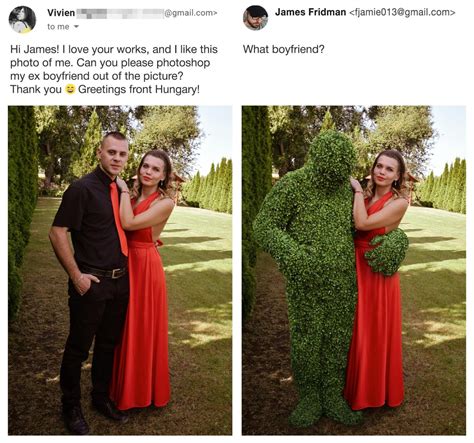
- Surreal and Absurd: "Weird photo edits," "funny edits," and "photoshop prank" suggest a space for the delightfully strange. This could involve placing animals in human situations, altering the scale of objects, or creating impossible scenarios.
- Character and Personality: "Storytelling," "funny," and "relatable" emphasize the importance of character and narrative, even in short, humorous edits. Think about creating funny scenarios for existing characters or inventing new, humorous personas.

Refining Your Comedic Vision
The journey of creating funny Photoshop edits is an ongoing process of learning and experimentation. By understanding the foundational tools, exploring creative effects, and drawing inspiration from the vast possibilities of humor, you can transform your images into sources of laughter and amusement. The key is to approach Photoshop not just as a technical tool, but as a canvas for your imagination, where the only limit is your own sense of fun. Whether you're aiming for a subtle chuckle or a belly laugh, Photoshop offers an endless playground for comedic expression.