The concept of "Photoshop portable download" has long been a topic of interest for users seeking flexibility and freedom from traditional installation processes. While the term often conjures images of standalone, install-free versions of Adobe's iconic image-editing software, the reality is nuanced, encompassing both legitimate methods and the inherent risks associated with unofficial distributions. This article delves into the evolution of portable Photoshop, exploring its historical context, the technicalities of creating such versions, the advantages and disadvantages, and the modern alternatives that offer similar portability and functionality.
The Genesis of Portable Photoshop: Early Implementations
The desire for a portable Photoshop, one that could be run from a USB drive or other portable media without requiring installation on a host computer, emerged early in the software's history. Users recognized the convenience of having their powerful editing tools available on any machine, without leaving traces or needing administrative privileges.
Creating a legitimate, portable Adobe Photoshop & ImageReady CS2 was entirely possible through specific methods. This involved meticulously selecting and packaging the necessary program files. While a fully automated NSIS-based launcher was still in development for some time, users could manually achieve a functional portable version. The process often involved copying the installation directory and then carefully removing unnecessary components to reduce the file size and ensure portability. Certain folders, like "Plug-Ins," could be retained, although their functionality might be limited or non-existent in the portable setup. Once the portable version was established, users could uninstall the original installed software and remove their license files, as the portable version would operate independently. This endeavor, though lengthy and detailed, aimed to provide a complete and functional portable solution.
Adobe Photoshop CS6 Update: Enhancements and Stability
While the focus on portable versions often relates to older iterations, it's important to acknowledge the continuous development of Photoshop itself. The Adobe Photoshop CS6 Update, for instance, was an official patch released to enhance the stability and performance of the Creative Suite 6. This free update for existing users addressed various bug issues, ensuring a more robust editing experience.
The CS6 Update was designed with several key improvements in mind:
- Enhanced Stability and Performance: Adobe Photoshop CS6, as an innovative photo editing software, is constantly updated to provide users with new features and bug fixes. CS6 is one such update, and its primary focus is to ensure that Photoshop doesn’t stop unexpectedly while editing. In addition to fixing the stability issue, the patch solves known bugs and fixes security issues. It also improves how all the tools of the program work, including drawings, graphics, and 3D functions.
- Improved Editing Speed: Adobe Photoshop CS6 works on the Mercury Graphics Engine, which delivers instantaneous results when editing. It creates a responsive and fluid work environment. However, some users were facing issues with the program. The update ensures that you can edit your image with more options and at an improved speed than before. Apart from improving how the system responds, the update also offers clearer pictures and sharper colors, both of which are visible after the editing is complete.
- Increased Productivity: With the CS6 patch update, users can continue working on their designs while simultaneously saving a large Photoshop file. This performance update is designed to increase productivity, so you don’t have to face any workflow interruptions. Furthermore, the auto-recovery tool works to save all edits while you’re working. A copy of your edits gets saved every 10 minutes and gets recovered in case there’s an unexpected shutdown. This version of the CS6 update improves the photo editing tool to ensure you don’t have to stop working or lose your progress if your Windows desktop stops working.
- Notable Changes in Text Settings: Photoshop CS6 offers a range of tools for text editing. The latest update offers transformed layers with new settings for characters and paragraphs. It fixes the problem of saving multi-line text in PDF files and gives users the ability to change values without facing any unpredictable slider issues. One of the most helpful features of the update is an option to paste the ‘lorem ipsum’ text as a block automatically.
- Other Updates and Fixes: A few security breaches pointed out by users have been fixed. The patch improves the overall performance of the photo editing tool and ensures that the system doesn’t lag. Apart from this, the latest CS6 update also fixes a few Windows-specific bugs, including unexpected crashes when opening the Help link.
Additionally, the CS6 update came with a fun 3-D image creation option that could be utilized to make drawings, graphs, and charts. Users could edit these pictures to look like caricatures or oil paintings, or change the dimensions of any photograph to add large eyes and grins. Before applying the patch, it was necessary to disable virus protection and ensure the folder containing the photo editing tool was named 'Adobe Photoshop CS6'. Clicking on the Adobe Patch Installer file and following the instructions would complete the update. If a prompt indicated the tool couldn't locate the application, uninstalling and reinstalling Photoshop CS6 was required.
The Adobe Photoshop CS6 Update was free for users who already had the photo editing app installed on their device, provided it was a retail version.
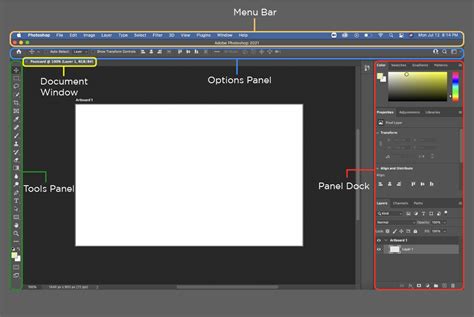
Photoshop CC vs. CS6: A Paradigm Shift
The distinction between Adobe Photoshop Creative Suite (CS6) and Creative Cloud (CC) represents a significant shift in Adobe's product strategy and licensing model.
- Subscription vs. Perpetual License: The most prominent difference is the subscription payment model of Creative Cloud, contrasting with the traditional perpetual license of CS6. Adobe transitioned away from the Creative Suite line after CS6, launching all new tools under the CC umbrella.
- Cloud Capabilities and Collaboration: Photoshop CC offers robust cloud integration, making file sharing and collaboration significantly easier. Features like cloud storage, asset syncing, and team projects streamline creative workflows.
- Accessibility and Updates: While CC offers continuous updates and new features, users who preferred the traditional licensing model often gravitated towards CS6.
Photoshop CC is often described as "the world's best imaging and design app," empowering users to create and enhance photographs, illustrations, and 3D artwork. It allows for video editing, simulation of real-life paintings, and a wide array of everyday edits or total transformations. The professional photography tools within Photoshop CC enable users to adjust, crop, remove objects, retouch, and repair old photos. It also facilitates the creation of original illustrations, transformation of images into paintings, and the development of digital masterpieces. The ability to make 3D artwork that can be animated or printed, along with the enhancement of work with unique patterns and eye-catching effects, further solidifies its position as a creative powerhouse. For illustrators, Photoshop CC provides specialized tools, including the ability to paint in perfectly symmetrical patterns, achieve polished looks with stroke smoothing, and utilize a vast library of brushes that emulate traditional media.
The Allure and Perils of Unofficial Portable Photoshop Downloads
The concept of downloading a "Photoshop portable" from unofficial sources continues to be a draw for many. These versions often claim to offer the full functionality of Photoshop without installation, ideal for users with limited disk space or those who need to work across multiple machines.
However, the landscape of unofficial portable Photoshop downloads is fraught with significant risks:
- No Updates and Outdated Functionality: Portable Photoshop versions are typically disconnected from the network, meaning users will never receive official updates. This leaves them vulnerable to security flaws and missing out on the continuous feature enhancements and bug fixes that Adobe rolls out for its supported versions. Furthermore, older Photoshop versions are significantly inferior in functionality and capabilities compared to modern iterations like Photoshop CC.
- Lack of User Support: Users of unofficial, illegal portable versions of Photoshop should be aware that Adobe is very strict about copyright violations. If any trouble arises with such software, contacting technical support will yield no assistance.
- Security Threats and Malware: A significant concern with unofficial portable software is the high probability of it being "infected" with viruses, malware, or spyware added by hackers. These malicious additions can lead to a noticeable slowdown in PC performance, data theft, or other serious security breaches.
- Bugs and Program Crashes: Pirated software often involves the editing of source code. Inattentive hackers may inadvertently delete or corrupt critical elements, resulting in program instability, various bugs, and frequent crashes, hindering the editing process and potentially leading to data loss.
Is Downloading Pirated Software Against Copyright Laws?
Exploring Legitimate Portable Alternatives and Modern Solutions
Given the risks associated with unofficial portable Photoshop, exploring legitimate alternatives is crucial for a safe and reliable workflow.
Legitimate Portable Options
For users prioritizing installation-free workflows, several legal options exist:
- GIMP Portable: The GNU Image Manipulation Program (GIMP) is a powerful, free, and open-source image editor. A portable version is available through platforms like PortableApps.com, offering a robust set of tools for graphic designers, photographers, and artists. GIMP supports various file formats, provides tools for retouching, text editing, and applying artistic effects, and boasts a wide range of plugins. Its customizable interface and scripting language for task automation further enhance its utility.
- Krita (Portable Builds): Krita is another free and open-source application primarily aimed at digital painting and animation. It offers unlimited canvas size, support for drawing tablets, a simple and customizable user interface, and a vast selection of brushes and brush engines. Portable builds of Krita are available, making it a viable option for users seeking an install-free experience.
- Photopea: This innovative, web-based image editor functions directly within a browser, eliminating the need for any software download. Photopea supports both raster and vector graphics, professional color modes, and even allows for editing video components and creating GIFs. Its comprehensive array of editing capabilities, including advanced techniques and brush tools, makes it a highly accessible and powerful alternative.
Adobe's Current Offerings
For those seeking the full power of Adobe Photoshop, the company offers modern, legitimate solutions:
Adobe Photoshop CC (Creative Cloud): The current flagship product, Photoshop CC, is available through a subscription model. This grants users access to continuous updates, cloud storage, collaboration tools, and a vast ecosystem of integrated Adobe applications. Photoshop CC excels with its deep feature set, including AI-powered enhancements, precise control over layers, advanced selection tools, and retouching brushes.
- AI-Powered Creative Enhancements with Firefly: Recent updates to Photoshop CC introduce powerful generative AI features powered by Adobe Firefly. These tools, such as Generative Fill and Generative Expand, allow users to quickly create or revise complex image elements using simple text prompts. This accelerates workflows for artists at every skill level, enabling them to tweak backgrounds, generate image variations, and control texture and style with AI assistance. These AI-driven tools are part of Adobe’s broader push to embed commercially safe, generative models directly into core creative applications.
- Projects and Collaboration Tools: Adobe has introduced a new Projects (beta) feature in Photoshop that simplifies organizing and collaborating on creative work. This allows users to group assets, layers, and files into a shared space, reducing the need to juggle multiple folders or local drives. Projects help streamline teamwork and client workflows by keeping everything in one place, making it easier to present consistent versions and avoid confusion over file changes.
- Expanded Creative Cloud Pro Benefits: With the evolution of Creative Cloud Pro, Photoshop users gain access to a broader suite of performance and workflow enhancements. Subscribers receive features such as an extensive font library, unlimited library storage, and millions of high-resolution stock assets. Performance upgrades across apps, including faster selection, refined masking, and improved integration with Lightroom and Adobe Express, help streamline everyday tasks and boost productivity.
- Photoshop on Mobile and Web: Adobe has expanded Photoshop beyond the desktop with new mobile and web versions. These versions bring core Photoshop functionality, including layering, masking, precise selections, and Firefly-powered generative editing, to phones and browsers. This cross-platform flexibility is ideal for artists who need to work seamlessly between desktop, mobile, and browser environments.
Standalone Desktop Version: For users who prefer a one-time purchase, Adobe also offers a standalone desktop version of Photoshop, though this typically comes with a higher upfront cost and fewer ongoing updates compared to the Creative Cloud subscription.
Understanding Plugins and Their Compatibility
When discussing portable Photoshop, especially older versions like CS2, the topic of plugins is often raised. Plugins can significantly extend Photoshop's capabilities, offering specialized tools for tasks like noise reduction, artistic effects, or advanced retouching.
- Plugin Management in Portable Versions: In a portable Photoshop setup, plugins would need to be copied along with the main application files. However, their compatibility can be a concern. Plugins are developed for specific versions of Photoshop, and as the software evolves, older plugins may cease to function correctly or at all.
- Compatibility Considerations: For instance, a plugin developed for Photoshop CS2 might not work seamlessly with a later version, and vice-versa. The provided information mentions packages like
cameraraw.svm(approx. 1.2 GB) andTopaz.svm(approx. 1.35 GB), which include standalone executables and plugin bundles. The general advice is to check the release dates of both the plugin and the portable version. If a plugin's release date is after the portable version's creation date, it has a higher chance of compatibility. Conversely, plugins made for significantly newer versions might break compatibility with older portable builds, especially after major software updates. - CC 2019 and Beyond Plugin Notes: For Photoshop CC 2019 and later versions, the activation methods and plugin compatibility have seen changes. For example, the Home screen might not load in some portable builds, requiring users to access files through menus. The article notes specific plugins for a "Ps 2026 release v27.1," including Neural Filters, Nano Banana Pro, BorisFX Optics, and various others from companies like Nik, Imagenomic, and Topaz. The Nano Banana Pro plugin is highlighted as a user-created alternative to Generative Fill, requiring an API key and offering free credits from Google.
Concluding Thoughts on Portable Photoshop
The concept of "Photoshop portable download" remains a complex one. While the early days saw legitimate, albeit manual, methods for creating portable versions of software like Photoshop CS2, the modern landscape is dominated by the risks associated with unofficial downloads. These often come bundled with malware, lack essential updates, and offer no support, posing significant threats to users' security and workflow.
For those seeking install-free image editing, legitimate portable alternatives like GIMP Portable, Krita, and the web-based Photopea offer robust functionality without the associated risks. For users who demand the cutting-edge features and professional capabilities of Adobe Photoshop, the Creative Cloud subscription model, with its continuous updates, cloud integration, and AI-powered enhancements, represents the most reliable and secure path forward. The evolution from CS2's manual portability to CC's cloud-centric ecosystem reflects the broader digital transformation, emphasizing security, accessibility, and continuous innovation.