Photography, at its heart, is an art form. It's about capturing moments, emotions, and stories through a lens. Many photographers are drawn into the profession by this passion, envisioning a career filled with shooting, editing, and creative expression. However, the reality of running a successful photography business often involves a significant amount of administrative work, which can consume a substantial portion of the day and leave little time for the very activities that fuel the passion and, crucially, generate income. The key to unlocking more shooting time and, consequently, increasing revenue lies in streamlining these essential business operations. This is where a robust Customer Relationship Management (CRM) system becomes not just a helpful tool, but a fundamental necessity for any serious photographer.

The Unseen Demands of a Photography Business
The dream of being a full-time artist is often tempered by the demanding nature of business management. Beyond the creative process, photographers are faced with a multitude of tasks: managing leads, sending proposals, negotiating contracts, invoicing clients, tracking payments, responding to inquiries, scheduling shoots, and delivering final products. When these tasks are handled manually or through a patchwork of disparate tools, the result is often disorganization, missed opportunities, and a significant drain on valuable time. This administrative burden can lead to a constant feeling of being overwhelmed, taking away from the joy of photography and potentially impacting profitability. The core principle of any business is that income is generated through active sales and service delivery. For photographers, this means time spent shooting is where the most direct revenue is made. Therefore, any strategy that frees up more of this shooting time is directly beneficial to the business's financial health.
Understanding CRM: The Photographer's Command Center
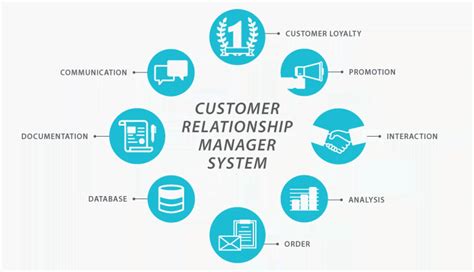
CRM, which stands for Client Relationship Management, is a system designed to manage and analyze customer interactions and data throughout the customer lifecycle. For photographers, a CRM acts as the central command center for their entire business. It's a digital hub that handles clients from their very first "hello" to the final "thank you for your business," maintaining a perfect record of every interaction. Far from being a mere filing cabinet, a modern photography CRM is a dynamic tool that provides a real-time dashboard of the business's health, offering insights into profitability, booking rates, and lead sources. It automates the mundane, repetitive tasks, allowing photographers to focus on what they do best: shooting, building meaningful client relationships, and marketing their services.
What Is CRM? | Introduction To CRM Software| CRM Projects For Beginners | CRM 2022 | Simplilearn
Core Functions of a Photography CRM: Essential Tools for Success
When evaluating CRM software for a photography business, several core functions are paramount. These features are designed to streamline workflows, enhance client communication, and improve overall business efficiency.
Lead Capture and Management
The journey of a client often begins with an inquiry. A professional CRM system starts with a branded, intuitive contact form embedded on the photographer's website. Upon submission, this form instantly creates a new "lead" card within the CRM dashboard. This eliminates the chaotic practice of managing client communications from a personal email inbox, ensuring that every potential client is captured and tracked systematically.
Proposals, Contracts, and Invoicing
The sales process is significantly enhanced by a CRM's ability to manage proposals, contracts, and invoicing. Beautifully designed proposals can be presented to clients, and upon acceptance, they can seamlessly transition into digital contracts that clients can e-sign directly within their browser. Invoicing is automated, and the system can even send payment reminders, taking the awkwardness out of chasing overdue payments.
Client Questionnaires and Information Gathering
Gathering essential client information is crucial for a successful shoot. CRMs allow photographers to build custom questionnaires, which clients can fill out online. The answers are then automatically saved to their project within the CRM, providing all necessary details, such as family names for portraits or wedding day timelines, in one accessible location.
Workflow Automation
Perhaps one of the most significant benefits of a CRM is its capacity for workflow automation. A "workflow" is a series of predefined steps that are executed for every client. For example, upon receiving a new wedding inquiry, a CRM can be programmed to automatically send a confirmation email, then follow up with a proposal a specific number of days later, and initiate contract signing and payment reminders upon booking. This automation ensures consistency, reduces the risk of human error, and frees up the photographer's time.
Scheduling and Booking
Eliminating the back-and-forth of scheduling is a major time-saver. CRMs often include built-in booking tools that allow clients to view the photographer's availability and select a time slot that works for them. This can be integrated with payment processing, so clients book, sign the contract, and pay the session fee all in one smooth, automated flow.
Reporting and Analytics
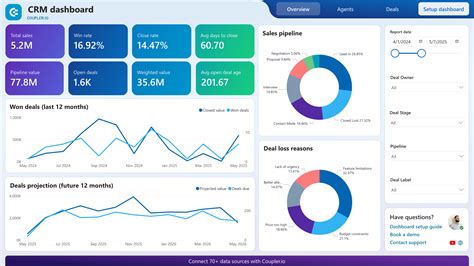
A CRM is more than just an organizational tool; it's a powerful reporting engine. It provides a clear, real-time overview of business performance, answering critical questions such as: Are we profitable? What is our booking rate? Where are our best leads originating from (e.g., Google, Instagram, referrals)? This data is invaluable for making informed business decisions and identifying areas for growth.
Navigating the CRM Landscape: Popular Options for Photographers
The market offers a variety of CRM solutions tailored for photographers, each with its own strengths and specializations. Understanding these options is key to finding the best fit for individual business needs.
Sprout Studio: The All-in-One Powerhouse
Sprout Studio is frequently highlighted as a comprehensive studio management suite designed specifically for professional photographers. It aims to be a "second brain" for running a profitable business, integrating CRM functionalities with online galleries, invoicing, scheduling, contracts, lead capture, and automation. Its key selling points include customizable workflows that automate the entire client journey, smart lead capture forms that impress potential clients, and gallery delivery systems designed to drive print sales. Sprout Studio's strength lies in its ability to consolidate multiple tools into a single, beautifully designed platform, eliminating the need for 4-5 separate applications. It is purpose-built with the photography industry in mind, offering a centralized solution from initial inquiry to final delivery.
HoneyBook: The Creative Entrepreneur's Choice
While not exclusively for photographers, HoneyBook is a highly popular CRM for creative professionals. It offers robust features for managing clients, contracts, and payments, with a strong emphasis on clean workflows and a user-friendly interface. Photographers often appreciate its beautiful UI, automation tools, client portal, and built-in time tracking and payment processing. However, it lacks photography-specific tools like integrated galleries or direct photo sales features, making it more of a general business management tool.
Studio Ninja: Simplicity and Affordability
Studio Ninja is an intuitive and budget-friendly CRM specifically developed for photographers. It excels in showcasing and selling work through its beautiful galleries and slideshow features, and it includes a built-in print store. While it offers basic automations for follow-ups, it has more limited CRM and business management tools compared to comprehensive suites like Sprout Studio, lacking full workflow automation, advanced invoicing, or integrated scheduling.
Dubsado: Flexibility and Customization
Dubsado is a highly flexible, general-purpose CRM platform that can be extensively customized to suit photographers, coaches, designers, and other creatives. It offers deep customization for workflows, forms, and proposals, along with client portals and automation. Its strength lies in its adaptability for multi-service businesses and for advanced users who require intricate control over their processes. However, it is not photography-focused, meaning it doesn't offer built-in galleries or photo sales tools, and its extensive customization can lead to a steeper learning curve for setup and automation.
17hats: Comprehensive and Reliable
17hats is often praised for its comprehensive CRM solution, covering everything from lead capture to automated workflows. It is known for its reliability and has a strong reputation for photographers who have been with the platform for many years. A standout feature is its "If/Then" questions in questionnaires, which create an interactive client experience. 17hats offers an all-inclusive plan, simplifying pricing and feature access, and is noted for its ease of setup and fast processing.
Táve: Automation-Focused Studio Management
Táve is a studio management solution specifically tailored for photographers, videographers, and other creative professionals. It focuses on streamlining workflows, automating repetitive tasks, and improving client relationships. Táve is recognized for its efficiency and detailed lead tracking, e-contracts, and questionnaires, making it a popular choice for busy photographers seeking to automate their operations.
Picsello: All-Inclusive Simplicity
Picsello offers a powerful CRM, client booking scheduler, and gallery features with a focus on simplicity and value. It provides one flat price with unlimited storage, avoiding tiered pricing complexities. Picsello also emphasizes expert coaching and guidance from industry professionals, aiming to support businesses in unlocking their full potential. Its customer service and mobile-friendly features are highlighted as key benefits.
The Dual System Approach: CRM and Post-Production Synergy
While CRMs are indispensable for managing the client-facing aspects of a photography business, they do not address the demanding post-production workflow. This realization has led many photographers to adopt a dual-system approach, combining a CRM with a specialized post-production tool.
Imagen: AI-Powered Post-Production
Imagen is a desktop application that leverages powerful cloud processing to handle the entire post-production workflow, from culling to editing and cloud backup. It's not a web-based gallery but a smart application that integrates with Lightroom Classic. Imagen's AI culling is designed to be intelligent and time-saving, with features like "Cull to Exact Number" for specific client needs. The core of Imagen lies in its AI editing, which learns a photographer's unique style by analyzing thousands of their edited photos. This "Personal AI Profile" allows for individual photo editing based on specific needs, rather than applying static presets. The speed of editing is remarkable, often under 0.5 seconds per photo. Imagen also handles other tedious tasks like subject masking, perspective correction, and HDR merging. Built-in cloud storage provides a seamless backup solution.
The synergy between a CRM and a tool like Imagen is transformative. The CRM handles all client interactions, bookings, and contracts. Once a shoot is completed, the photographer imports the photos into Lightroom, then opens Imagen. The AI-powered system then takes over culling and editing, delivering thousands of photos ready for final review and tweaks, often overnight. This combination automates both the administrative and the creative-intensive post-production phases, ultimately giving photographers their time and lives back.
Making the Right Choice: Factors to Consider When Selecting a CRM
Choosing the right CRM is a critical decision that can significantly impact a photography business's efficiency and profitability. Several factors should guide this selection process:
Understanding Your Specific Needs
Every photography business is unique. Some specialize in weddings, others in portraits, commercial work, or a blend of services. It's crucial to identify the specific pain points and administrative tasks that consume the most time and energy. Are you struggling with lead follow-up? Is invoicing a constant headache? Do you need better tools for client communication? A CRM that directly addresses these challenges will be the most beneficial.
Core Features and Functionality
Beyond basic contact management, consider the essential features that align with your workflow. This includes lead capture forms, proposal and contract management, invoicing, client questionnaires, scheduling tools, and automation capabilities. For photographers focused on product sales, integrated gallery delivery and print shop functionalities are important.
Ease of Use and Learning Curve
While powerful features are desirable, the usability of the CRM is paramount. A complex interface or a steep learning curve can negate the benefits, especially for photographers who may not be highly tech-savvy. Look for intuitive design, clear navigation, and readily available support resources. Many CRMs offer free trials, allowing photographers to test the interface and core functionalities before committing.
Customization and Branding
The ability to customize the CRM to match your brand's aesthetic and specific workflow is important. This includes branded forms, proposals, invoices, and client portals. For photographers who value detailed control, features like custom CSS styling can offer advanced branding opportunities.
Integration with Existing Tools
Photographers often use a suite of tools for various aspects of their business. Consider how well a CRM integrates with other software you rely on, such as accounting software (e.g., QuickBooks), gallery platforms (e.g., Pixieset, Pic-Time), or scheduling apps (e.g., Calendly). Seamless integration prevents data silos and streamlines operations.
Pricing and Value
CRM pricing models vary significantly, from tiered plans based on features or client numbers to flat-rate subscriptions. It's essential to compare pricing structures and understand what is included in each tier. The most expensive option isn't always the best; focus on the value and return on investment â how much time and money will the CRM save you? Some CRMs offer free plans or trials, allowing for initial exploration without financial commitment.
Customer Support and Community
Reliable customer support is crucial, especially when encountering technical issues or needing assistance with setup. Reading reviews and testimonials from other photographers can provide valuable insights into the responsiveness and helpfulness of a CRM's support team. A strong user community can also be a great resource for tips, advice, and troubleshooting.
Mobile Accessibility
Given that photographers are often on the go, a well-designed mobile app or mobile-responsive web interface is essential. This allows for managing contacts, scheduling, tracking leads, and even sending invoices from anywhere, at any time.
The Future of Photography Business Management
The integration of advanced technologies like Artificial Intelligence into CRM and post-production software is rapidly transforming how photographers manage their businesses. Tools that learn a photographer's unique style, automate complex editing tasks, and streamline client communication are no longer futuristic concepts but present-day realities. By embracing these innovations, photographers can reclaim their time, enhance their client experience, and ultimately, focus more on the art and passion that first drew them to the profession. The administrative burden, once a significant obstacle, can be transformed into an efficient, automated process, paving the way for a more profitable and creatively fulfilling career.
tags: #picsart #crm #for #photographers