In the realm of interior design, lighting is not merely functional; it is an art form that shapes ambiance, accentuates aesthetics, and breathes life into a space. The ability to manipulate light and shadow is paramount for any designer aiming to create truly captivating environments. Fortunately, with intuitive and powerful tools like Picsart, achieving stunning lighting effects has become accessible to both seasoned professionals and enthusiastic hobbyists. Picsart empowers users to go beyond basic image adjustments, offering a gateway to crafting visually rich and immersive interior design concepts through sophisticated lighting design.
The Transformative Power of Light in Design
Lighting plays a crucial role in setting the mood and enhancing the overall aesthetic of a space. It dictates how colors are perceived, how textures are revealed, and how the very architecture of a room is understood. The strategic use of light can make a small room feel more expansive, a stark room feel more inviting, or a mundane space feel utterly magical. This is where digital editing tools, particularly those that excel in image manipulation, become invaluable. Picsart, with its extensive feature set, allows for the creation of an infinite spectrum of lighting scenarios, offering a playground for designers to visualize and refine their ideas before any physical implementation.
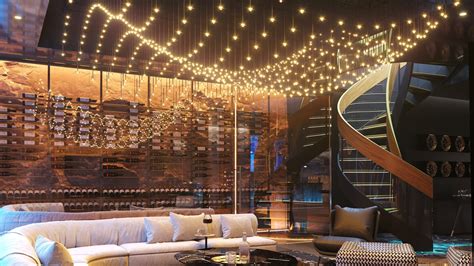
The digital canvas provided by Picsart enables a level of control over light that is often difficult or prohibitively expensive to achieve in real-world scenarios. Whether you're aiming for the soft, diffused glow of a sunset filtering through sheer curtains or the sharp, focused beam of a spotlight highlighting a piece of art, Picsart's tools can bring these visions to fruition. By understanding and applying principles of light and shadow, designers can use Picsart to not only enhance existing photographs of spaces but also to create entirely new compositions that serve as powerful conceptual tools.
Harnessing Picsart's Lighting Capabilities
One of the most exciting features of Picsart is its ability to manipulate layers and adjust lighting effects. This is fundamental to creating realistic and impactful lighting designs. You can add light backgrounds to your images, creating a warm, inviting atmosphere that draws the eye and adds depth to your designs. This isn't just about slapping a bright color behind an object; it's about understanding how light behaves and how to simulate it digitally. Light backgrounds can range from soft gradients that mimic natural light sources to more complex patterns that suggest ambient illumination. Experimenting with different colors and intensities is key to seeing how they affect the overall feel of your design.
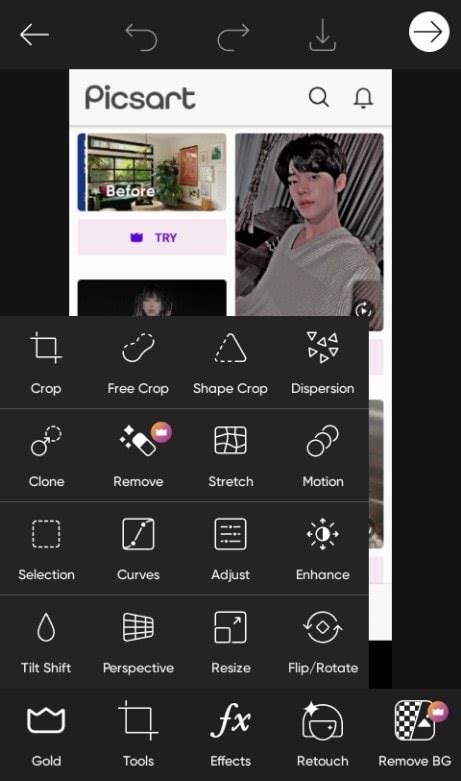
Picsart's flexibility in controlling brightness, contrast, and saturation levels gives you full command over your lighting design. You can create soft, diffused light for a cozy ambiance, or bold, dramatic lighting for a more vibrant look. The interplay between these settings is what truly defines the mood. For instance, increasing contrast can make shadows deeper and highlights brighter, adding a sense of drama. Conversely, reducing contrast and saturation can result in a more subdued, tranquil atmosphere. The app's user-friendly interface makes these complex adjustments accessible, ensuring that both beginners and seasoned designers can achieve professional-grade results.
Layering and Opacity: The Art of Subtlety
The key to successful lighting design in any medium, including digital editing, is balance. Too much light can wash out your image, obscuring details and making it appear flat. Too little light can make a space feel dark, uninviting, and even claustrophobic. Picsart allows for precise control over these elements. Adjusting the opacity of light backgrounds and layering them with darker elements can create a harmonious blend that feels both dynamic and inviting. This technique is crucial for simulating how light interacts with surfaces in the real world - how it diffuses, reflects, and casts shadows.
For example, imagine you want to depict a room bathed in the warm glow of evening light. You might start with a base image of the room and then apply a warm-toned overlay with a reduced opacity. You could then add subtle shadow elements to areas where light wouldn't naturally reach, or use a brighter overlay sparingly to simulate a light source, like a lamp. This layering approach allows for a nuanced and realistic portrayal of light.
Exploring Picsart's Diverse Toolset for Lighting
Beyond basic adjustments, Picsart offers a vast library of stickers, overlays, and filters that can be used to simulate a wide array of lighting effects. These elements allow for creative experimentation and the discovery of unique visual styles.
- Stickers and Overlays: These can be used to represent light sources, add volumetric lighting effects (like light rays or beams), or introduce textures that suggest the quality of light. For instance, a "bokeh" sticker can simulate the effect of out-of-focus lights in the background, adding depth and a dreamy quality.
- Filters: Picsart's filters can dramatically alter the mood and color temperature of an image, simulating different times of day, weather conditions, or even artistic styles. Some filters are designed to enhance natural light, while others create dramatic, artificial lighting effects.
- Effects Gallery: Within the Effects gallery, you'll find collections like "Blur," "Artistic," and "Distort" that can be used creatively. While not always directly related to lighting, they can be employed to enhance the perception of light and shadow. For instance, selective blurring can draw attention to illuminated areas. The "Paper" gallery offers more nuanced effects that can subtly alter how light appears to interact with surfaces.

From Raw Image to Radiant Design: A Step-by-Step Approach
The journey to creating stunning lighting effects in Picsart often begins with a foundational image. Whether it's a photograph of an existing interior or a 3D rendering, this forms the basis upon which you will build your lighting narrative.
1. Starting with the Base Image
Begin by selecting a base image of the room or space you wish to design. The quality and composition of this initial image will significantly impact the final result. A well-shot photograph with good inherent lighting will be easier to enhance than a poorly lit one. However, Picsart's tools are robust enough to salvage even challenging images.
2. Understanding Basic Adjustments for Light Control
Before diving into advanced effects, mastering the foundational editing tools is essential. These tools allow for precise control over the light and color within your image.
- Crop Tool: While seemingly basic, the Crop tool is crucial for framing your image effectively. It allows you to adjust the composition, ensuring the most important elements are highlighted, and can be vital for preparing images for specific social media dimensions.
- Straighten Tool: Especially when working with smartphone photos, achieving perfect angles can be difficult. The Straighten tool corrects tilts, ensuring architectural lines are true and the overall perspective is accurate, which is fundamental for realistic interior depictions.
- Brightness and Contrast: Light is everything in photography. The amount of light within your photo affects the mood and the amount of detail captured. The Brightness tool directly controls the overall illumination, while the Contrast tool heightens the shadows and highlights, creating a bolder or more muted aesthetic as desired.
- Saturation: This tool deals directly with color intensity. Increasing saturation enhances colors, making them brighter and more intense, which can be used to simulate vibrant lighting conditions.
- Clarity: For images lacking sharp detail, especially those taken with less advanced cameras, the Clarity tool heightens the sharpness of the picture, making details more defined and contributing to a more polished look.
- Shadows and Highlights: These tools work in tandem to refine the tonal range of an image. Adjusting shadows controls the darker tones, while the Highlights tool modifies the lighter tones. This is invaluable for correcting over-exposed areas or bringing out detail in shadowed regions.
- Temperature: The Temperature tool allows you to adjust the white balance and colors, making an image warmer (more yellow/orange) or colder (more blue). Warm tones often evoke natural light and a pleasant feeling, while cooler tones can lend an editorial or retro aesthetic.
3. Implementing Light Backgrounds and Overlays
Once the base image is refined, you can begin introducing specific lighting elements.
- Exploring Background Options: Within Picsart, explore the background options available. Light backgrounds can range from soft gradients to complex patterns that mimic natural light sources. Experimenting with different colors and intensities is crucial.
- Using Overlays and Filters: Apply photo overlays and adjustments to further enhance your photo. The Picsart Effects gallery is a treasure trove for this. Collections like "Artistic" and "Paper" can be used to subtly alter how light interacts with surfaces. For instance, a subtle "Paper" effect might add a textured quality that catches light in a realistic way.
- Simulating Natural Light: To simulate natural light, consider using soft, diffused overlays with warm tones. Adjust their opacity to blend seamlessly with the existing image. For example, a gradient overlay from yellow to transparent can mimic sunlight streaming through a window.
- Creating Dramatic Lighting: For more dramatic effects, experiment with starker contrasts, deeper shadows, and sharper highlights. You can use stickers or brushes to paint in light sources or create beams of light.
4. Advanced Techniques for Realism
As you become more comfortable, explore advanced techniques that can elevate your lighting designs.
- Background Blur: Applying a background blur adds a sense of depth and dimension to an image, making the subject stand out and simulating the shallow depth of field often seen in professional photography. This is particularly effective when the background is meant to be less important than the primary elements of the room.
- AI Background Generation: Picsart's AI background generator can be a powerful tool for creating custom backgrounds that perfectly complement your lighting design. This saves time and resources compared to scouting and capturing real-world backgrounds, allowing for infinite creative possibilities.
- Combining Effects: Don't limit yourself to a single filter or effect. Layering multiple effects and adjustments can create unique and complex lighting scenarios. For example, you might apply a subtle color filter, then add a light leak overlay, and finally adjust the brightness and contrast.
Perfect Interior Lighting Without the Color Cast! **No Flash!**
The Importance of Context: Backgrounds in Photography
The background of a photograph is not merely empty space; it is an integral part of the composition that influences how the subject is perceived and how the overall story of the image is told. Intentional backgrounds highlight the subject and add dimension and perspective to photos.
Choosing the Right Background for Your Subject
- Interior Design Visualization: When showcasing interior designs, the background should complement the style and mood of the room. A busy background can distract from the design itself, while a simple, well-chosen background can enhance its features. Contrasting backgrounds with varying shades and tones of colors can add drama and excitement to an image, and draw the viewer’s attention to the subject.
- Headshots: For portraits, the background choice depends heavily on the purpose. A solid color background, often black or white, is ideal for business portraits or corporate headshots, providing a clean and professional look. If the environment is essential to the client's identity, their actual location can be used as a background. For outdoor headshots, textured or solid walls, or natural landscapes, can add character.
- Product Photography: For product images, a white or lightly colored background is recommended. White backgrounds are easy to edit and allow products to be showcased with minimal distraction. However, if white backgrounds feel too plain, you can always shoot on white and then change the background color in post-production, or maintain a consistent studio setup with controlled lighting.
- Family Portraits: Nature provides a rich palette for family portraits, from spring landscapes and orchards to summer beaches, autumn parks, and winter activities. Indoors, pastel-colored walls, family photos on display, or cozy settings like a fireplace can create warm and inviting backdrops.
Enhancing the Background with Picsart
Picsart offers a comprehensive ecosystem for creating and enhancing photography backgrounds. The platform's AI background generator, its vast library of free-to-use content including backgrounds and stickers, and its powerful editing tools make it easy to achieve professional results. Whether you're changing background colors, adding subtle textures, or creating entirely new scenes, Picsart provides the means to elevate your imagery.
The Essence of Photography: "Drawing with Light"
The word "photography" itself is derived from Greek words meaning "drawing with light." This etymology underscores the fundamental principle that drives all photographic endeavors: light. Photographers are, in essence, chasers of light. The right lighting is the key prerequisite for a great photo, and this applies equally to digital editing as it does to in-camera capture.
Mastering Light in Digital Editing
In Picsart, you are not just editing an image; you are actively "drawing with light" on a digital canvas. By understanding how light behaves - how it falls, reflects, and casts shadows - you can use Picsart's tools to simulate these phenomena with remarkable accuracy.
- Natural Light Simulation: The best way to light a backdrop in real life is often to shoot outdoors and embrace soft, indirect natural light. In Picsart, this translates to using warm-toned overlays, soft gradients, and subtle diffusion effects. Avoid harsh, direct light simulations unless that is the specific mood you are aiming for.
- Artificial Light Simulation: When shooting indoors without ample natural light, professional photographers use lighting equipment. In Picsart, this means using tools to create focused beams, subtle glows around artificial sources like lamps or LEDs, and managing the interplay of light and shadow to define the space.
- Experimentation is Key: Editing your photography background with Picsart is so easy and fun that you can enjoy the experimenting process per se as much as the end results. Don't be afraid to combine tools, try unconventional approaches, and push the boundaries of what you thought possible.
Picsart's comprehensive platform, with its billions of downloads and millions of active creators, has become a global leader in creative expression. Its collaborations with major artists and brands are a testament to its power and versatility. By harnessing its tools, particularly for lighting design, you can transform your interior design concepts from mere ideas into visually compelling realities. Start experimenting today, and watch your designs come to life with the magic of simulated light.
tags: #picsart #light #background