As a professional photographer, your time is your most valuable asset. Between shooting, marketing, and managing clients, the hours spent editing can feel like a bottleneck. That’s where Lightroom presets come in. They are a foundational tool for photographers looking to create a consistent, signature style and dramatically speed up their post-production workflow. Think of them not as a magic button, but as a powerful starting point for creativity and efficiency.
What Exactly Are Lightroom Presets?
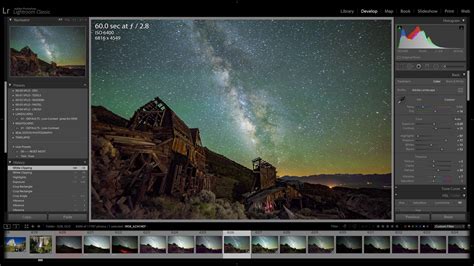
A preset is a saved group of settings in Lightroom that you can apply to any photo with a single click. To clear something up right away, a preset is much more than just a filter you’d find on a social media app. So, what are we really talking about? A Lightroom preset is a saved configuration of slider positions in the Develop module. This includes settings for exposure, contrast, highlights, shadows, colors, tone curves, and more. Imagine you’ve just finished editing a photo from a golden hour portrait session to perfection. You love the warm tones, the soft contrast, and the rich colors. Instead of having to remember every single adjustment you made, you can save that combination of settings as a preset.
The Tangible Benefits of Using Presets
For any working photographer, the advantages of using presets are too significant to ignore.
Speeding Up Your Workflow
This is the most immediate and obvious benefit. Consider a wedding gallery with a thousand or more images. Editing each one from scratch is a monumental task. With presets, you can apply a base edit to hundreds of photos at once, cutting your editing time down dramatically. This allows you to get back to shooting or, dare I say, have a personal life.
Achieving a Consistent Look
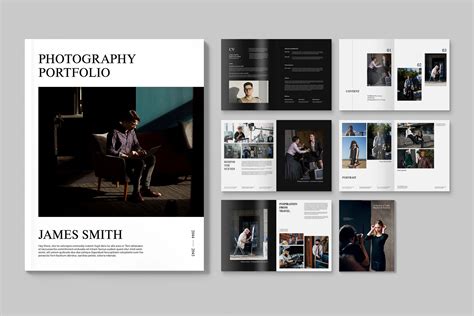
Have you ever admired a photographer’s portfolio and noticed how cohesive it looks? That’s brand consistency, and presets are a cornerstone of achieving it. By using a defined set of presets, you ensure that your images have a similar aesthetic, whether they were shot yesterday or last year. This creates a recognizable style that clients will seek out and book you for.
A Starting Point for Creativity
A common misconception is that presets stifle creativity. The opposite is true. A good preset is not a final edit. No two photos are identical; lighting, subjects, and locations change. A preset should be seen as a foundation. It gets you 80% of the way there, handling the foundational color grading and toning, which then frees you up to focus on the finer details of each specific image. In short, presets are a vital part of a professional photographer’s toolkit.
Navigating the World of Presets: Free vs. Paid
Once you decide to dive into presets, you’ll find a vast marketplace with endless options. The biggest decision you’ll face is whether to use free presets or invest in professional paid collections.
The Allure of Free Presets
Who doesn’t love free? There are thousands of free presets available online, from photography blogs to YouTube tutorials. However, it’s important to approach free presets with a healthy dose of realism. They often serve as a marketing tool for a larger, paid collection. This means they might be a “one-trick pony,” designed to work perfectly on one specific type of photo but falling apart in different lighting conditions. Free presets are a great way to deconstruct how an edit is made, making them excellent for learning and experimentation.
The Value of Paid Preset Collections
This is where most serious photographers land. Paid preset collections are typically created by established, professional photographers who have spent years honing their style. The advantages are clear. Paid presets are almost always of a higher quality and are built to be more versatile. They often come in a collection with variations designed for different lighting scenarios, such as “golden hour,” “overcast,” “indoor reception,” and so on. Furthermore, paid presets usually come with installation guides and customer support. If you have a problem, there’s someone to help.
Mastering Preset Installation and Application
You’ve found a preset pack you love. Now what? Getting them into Lightroom is a straightforward process.
Installing Presets in Lightroom Classic
This is the most common method for professional photographers.
- Download and Unzip: After purchasing or downloading your presets, they will likely come in a .zip file. Unzip this file to access the individual preset files (usually .XMP).
- Open Lightroom Classic: Navigate to the Presets panel.
- Open the Presets Panel: On the left side of the screen, you’ll see the “Presets” panel. Click the plus (+) icon and select "Import Presets."
- Locate Your Files: A file browser window will open. Navigate to the folder where you saved your unzipped .XMP files. Select the presets you wish to import and click "Import."
Installing Presets in Lightroom Mobile
If you edit on the go, you can install presets directly into the Lightroom mobile app.
- Import to Lightroom Desktop: First, install the presets into your Lightroom Classic or Lightroom desktop application.
- Sync to Mobile: Ensure that your Lightroom desktop is synced to the cloud. Your presets will then automatically appear in the Lightroom mobile app under the "Presets" section.
- Alternatively, via DNG: You can also create DNG files from your presets on your desktop and then transfer these DNG files to your mobile device via cloud storage or AirDrop. Open the DNG file in Lightroom Mobile, tap the three dots, and select "Create Preset."
Applying Presets Effectively
Remember, a preset is a starting point.
- Make Basic Corrections First: Before you even touch a preset, adjust the white balance and exposure. These two settings are unique to every single photo and are the foundation of a good edit.
- Apply the Preset: In the Presets panel, simply click on the preset you wish to apply. You can hover over your presets to see a live preview on your photo.
- Tweak and Refine: After applying the preset, you will almost always need to make minor adjustments. You might need to adjust the exposure again, pull back the contrast, or tweak the saturation. Every photo is different, and a preset is just the beginning of the creative process.
How to Install and Use Presets in Lightroom and Photoshop 2022
The Art of Creating Your Own Custom Presets
Using presets made by other photographers is a great way to learn and speed up your workflow. But the ultimate goal for many of us is to develop a style that is truly our own. The best way to do that? By creating your own custom presets. When you create your own presets, you are distilling your unique creative vision into a reusable tool. You are no longer borrowing someone else’s style; you are defining your own. This is crucial for building a recognizable brand. Your custom presets are tailored to your camera, your lenses, and your shooting style.
Step-by-Step Guide to Creating Your Own Presets
Ready to create your own? It’s easier than you think.
- Start with a Good Photo: Open a well-exposed RAW image in the Develop module of Lightroom Classic.
- Edit the Photo to Perfection: This is the creative part. Adjust all the settings until you are completely happy with the look. This includes everything from basic exposure and color correction to advanced HSL adjustments, tone curves, and split toning.
- Open the “Create Preset” Dialog: Go to the Presets panel on the left. Click the plus (+) icon and select "Create Preset."
- Name and Organize Your Preset: Give your preset a descriptive name (e.g., "My Signature Portrait Warmth" or "Moody Landscape - Overcast Day"). You can also choose a group to organize it into.
- Choose Which Settings to Include: A dialog box will appear with a long list of checkboxes. Select the settings you want to include in your preset.
- What to Exclude (Usually): It’s almost always a good idea to uncheck the boxes for White Balance, Exposure, Transform, and Lens Corrections. Why? Because these settings are specific to each individual photo and should be adjusted manually before applying your custom preset. This ensures maximum flexibility and prevents unwanted shifts in your base image.
- Click “Create”: That’s it! By creating a library of your own presets for different scenarios, you take full control of your editing workflow.
The Next Evolution: AI-Powered Editing with Imagen
For years, presets have been the go-to solution for efficient and consistent editing. They’ve served us well. But what if there was a tool that could go a step further? A tool that didn’t just apply the same set of rules to every photo, but instead analyzed each image individually and made intelligent adjustments based on your personal style? This isn’t about replacing the artist. It’s about giving the artist a smarter brush.
Understanding the Limitations of Traditional Presets
The fundamental limitation of a traditional preset is that it’s static. It applies the exact same settings to a bright, sunny outdoor photo as it does to a dark, moody indoor shot. This often leads to suboptimal results that require significant manual correction, negating some of the time-saving benefits.
How Imagen Revolutionizes Editing
Imagen works differently. It uses artificial intelligence to learn your unique editing style and then applies that knowledge intelligently to each new photo.
The Power of the Personal AI Profile
At the core of this technology is the Personal AI Profile. This is what truly sets Imagen apart. To create your profile, you submit a collection of your previously edited photos from your Lightroom Classic catalogs-at least 3,000 images are recommended for the best results. Imagen’s AI analyzes these photos and learns everything about your style. It learns how you handle exposure in tricky lighting, how you adjust skin tones, how you grade your colors in shadows and highlights, and how you crop your images.
Seamless Integration and Blazing Speed
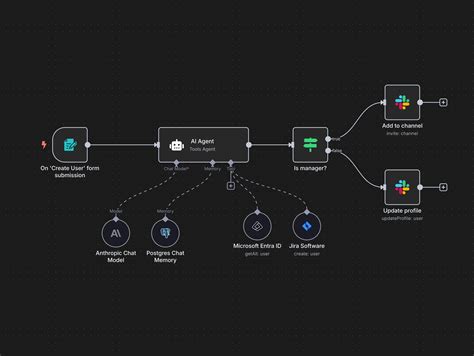
The process is seamless. Imagen is a desktop app that integrates directly with Lightroom Classic, Lightroom, Photoshop, and Bridge. You simply upload your unedited photos through the Imagen app. The AI then edits them in the cloud at an incredible speed-often less than half a second per photo. When it’s done, the edits are downloaded directly back into your Lightroom catalog, with all the adjustments applied as if you had moved the sliders yourself.
Exploring Talent AI Profiles
What if you’re a newer photographer and haven’t edited thousands of photos yet? Or maybe you just admire the style of an industry leader and want a professional look right out of the box. These aren’t just preset packs. They are AI profiles built by analyzing the complete editing styles of world-renowned photographers. When you apply a Talent AI Profile, you’re not just getting a static look; you’re getting that photographer’s AI-powered editing brain working on your photos.
Imagen as a Comprehensive Workflow Solution
While the personalized editing of the Personal AI Profile is the star of the show, Imagen is built to be a comprehensive post-production platform. It aims to streamline your entire workflow, not just one part of it. Imagen recognizes that editing is just one piece of the post-production puzzle.
AI Culling: Taming the Beast of Selection
For many photographers, culling-the process of selecting the best images from a shoot-is the most dreaded part of the job. It can take hours of painstaking work to sort through thousands of photos, looking for blinks, blurry shots, and duplicates. Imagen’s AI Culling automates this process. It analyzes your entire shoot, groups similar photos together, and flags blurry images or those with closed eyes.
Additional AI Tools
Beyond culling, Imagen offers a suite of intelligent tools to handle common adjustments, further automating repetitive tasks and freeing up your time.
Imagen: Standalone vs. Integrated Workflow
One of the great things about the Imagen platform is its flexibility. You are not forced into a single, rigid workflow. Perhaps you love your current culling method but want to automate your editing. No problem, you can use the AI editing feature on its own. Or maybe you want to streamline your entire process. By offering this all-in-one ecosystem, Imagen moves beyond being just an “editing tool” and becomes a true workflow partner.
Presets vs. Imagen: A Direct Comparison
To make the distinction clear, let’s break down the differences between traditional Lightroom presets and Imagen’s AI editing in a direct, factual comparison.
| Feature | Lightroom Presets | Imagen Editing |
|---|---|---|
| Application Method | Applies the same saved group of static settings to every photo. | Analyzes each photo individually and applies unique, intelligent adjustments based on the image’s specific content. |
| Consistency | Provides a good baseline for a consistent look, but requires manual adjustments to achieve true consistency across different lighting conditions. | Delivers excellent consistency in style and results across a wide variety of lighting, scenes, and subjects by adapting the edit to each photo. |
| Personalization | Highly personal if you create your own from scratch. When using presets from others, you are adopting their style. | Creates a Personal AI Profile that learns from your own past edits. The AI evolves with you as you “fine-tune” it with new work, making it deeply personalized. |
| Workflow Role | Serves as a single, valuable step in the manual editing process. | Can be a comprehensive workflow solution, with options for AI-powered culling, editing, cloud backup, and delivery all in one platform. |
| Learning Curve | Easy to apply. Creating a truly versatile and professional preset requires significant skill and practice. | Requires an initial setup to train your Personal AI Profile (by providing your edited photos). After that, the editing process is almost fully automated. |
| Adaptability | Not adaptable. A preset for a sunny day will perform poorly on an indoor photo without significant manual correction. | Highly adaptable. The AI intelligently adjusts based on the specific image content and lighting. |
This comparison highlights a key shift. Presets are a tool you use. Imagen is a partner that learns and adapts.
The Future of Photography Post-Production
The photography industry is in a constant state of evolution. Cameras get better, client expectations get higher, and the demand for faster turnaround times becomes more intense. To thrive in this environment, professionals need to work smarter, not just harder. This is why AI-powered tools like Imagen are not just a trend; they are the future of professional post-production.
By embracing AI, you are not giving up creative control. You are delegating the tedious, mechanical parts of the editing process to an intelligent assistant that you have personally trained. This frees up your mental energy to focus on what really matters: capturing beautiful images, telling compelling stories, and building strong relationships with your clients.
Frequently Asked Questions About Presets and AI Editing
1. What’s the main difference between a Lightroom preset and an Imagen AI Profile?A Lightroom preset is a static set of saved settings that is applied identically to every photo. An Imagen AI Profile learns your unique style and applies intelligent, adaptive edits to each image.
2. Can I use Lightroom presets on my phone?Yes, Lightroom presets can be used on mobile devices through the Lightroom mobile app, often by syncing from the desktop version or importing DNG files.
3. Will buying professional presets make my photos look professional?Not automatically. Professional presets provide a high-quality starting point and a consistent aesthetic, but they are not a one-click solution. They still require an understanding of editing and often need manual adjustments for optimal results.
4. How many photos do I need to create an Imagen Personal AI Profile?Imagen recommends a minimum of 3,000 of your previously edited photos from a Lightroom Classic catalog to build a robust and accurate Personal AI Profile. More images generally lead to a more refined and personalized AI.
5. Is Imagen a subscription service?Yes, Imagen operates on a subscription model. You pay a monthly or annual fee for access to the platform, and then typically pay a per-photo rate for editing and culling services, though plans can vary.
6. Can Imagen edit in Black & White?Absolutely. You can create a separate Personal AI Profile specifically for your black and white editing style, allowing the AI to learn and apply your unique approach to monochrome conversion.
7. What happens if I don’t like an edit from Imagen?You are always in complete control. After Imagen delivers the edits back to your Lightroom catalog, you can tweak any slider or setting just as you would with a manual edit. The AI provides a highly refined starting point, but final artistic decisions remain yours.
8. What are Imagen’s Talent AI Profiles?Talent AI Profiles are editing profiles created by world-renowned photographers. They allow you to apply the intelligent, AI-powered style of an industry leader to your own photos, offering a professional look without needing years of personal editing experience.
9. Does Imagen replace Lightroom?No. Imagen is not an editor itself; it is a workflow accelerator that is designed to work seamlessly with Adobe Lightroom Classic, Lightroom, Photoshop, and Bridge. It enhances and automates parts of the post-production process within your existing Adobe ecosystem.
10. How long does it take for Imagen to edit my photos?It’s incredibly fast. Imagen typically edits photos in under 0.5 seconds per image, allowing for rapid batch processing.
11. Can I still be creative if I use Imagen?Yes, more so than ever. By automating the 80-90% of editing that is repetitive and technical, Imagen frees you up to spend your time and creative energy on the final 10-20% of the edit that truly makes a photo special and allows for unique artistic expression.
12. What is AI Culling?AI Culling is an Imagen feature that automatically sorts through your entire photoshoot to help select the best images. It analyzes for blinks, blurry shots, duplicates, and other common issues, significantly reducing the time photographers spend on this often tedious task.