Embarking on the journey of digital art can feel daunting, especially when aiming to capture the essence of a character through a portrait. This tutorial aims to demystify the process, drawing upon proven techniques and offering a structured approach to creating captivating character portraits within the Procreate application. Whether you are a seasoned artist looking to refine your skills or a complete beginner eager to bring your imagined characters to life, this guide will provide actionable steps and valuable insights. We will delve into the fundamental elements of portraiture, explore stylistic choices, and leverage Procreate's powerful tools to achieve unique and engaging results.
Understanding the Foundation: Basic Proportions and Structure
Before diving into stylistic flourishes, a solid understanding of facial anatomy and proportions is crucial. This forms the bedrock upon which all subsequent artistic decisions will be built. The human face, while infinitely varied, adheres to certain underlying proportional guidelines that, when understood, allow for consistent and believable character construction.
The classic method for establishing facial proportions often involves dividing the face into thirds horizontally and fifths vertically. Imagine a line drawn from the top of the head to the chin. This line can be divided into three equal sections: the hairline to the eyebrows, the eyebrows to the bottom of the nose, and the bottom of the nose to the chin. These divisions provide a general framework for the placement of key features.
Vertically, the face can be seen as being approximately five eye-widths across. The space between the eyes is typically one eye-width, and this same width can be found on either side of the face, from the outer corner of the eye to the edge of the face. This grid system, while a simplification, serves as an excellent starting point for sketching the basic structure of a face, ensuring that features are placed in a harmonious and naturalistic manner.
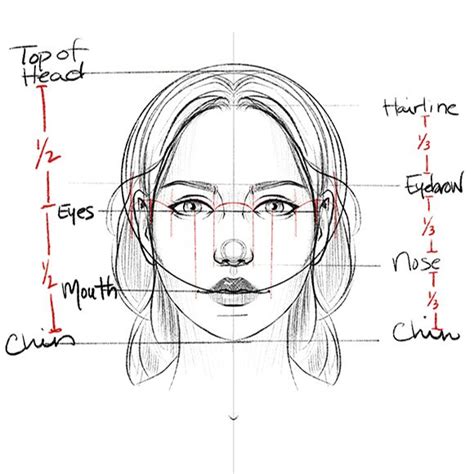
It is important to remember that these are guidelines, not rigid rules. Artistic interpretation and character design often involve intentional deviations from these proportions to convey specific personality traits or stylistic choices. However, a foundational understanding allows artists to consciously manipulate these elements rather than making unintentional errors. For instance, a character with a longer, more elongated face might have these proportional divisions slightly stretched, while a character with a rounder face might have them compressed.
Building Your Character: From Simple Shapes to Distinctive Features
The process of creating a character portrait begins with the fundamental shapes that define the head and its underlying structure. Procreate’s versatile brush tools allow for a fluid and intuitive approach to sketching these initial forms. Starting with basic geometric shapes like circles, ovals, and squares can help establish the overall head shape and silhouette.
Once the foundational head shape is established, the next step involves placing the facial features. This is where the proportional guidelines discussed earlier come into play. The placement of the eyes, nose, mouth, and ears significantly impacts the character's overall expression and perceived age.
For example, placing eyes higher on the face can suggest youthfulness, while placing them lower might convey a more mature or melancholic appearance. The shape and size of the nose, the curve of the mouth, and the angle of the jawline all contribute to the unique identity of your character. This is where the freedom to “make it your own” truly begins. While Iva’s class provides a clear framework for creating a portrait, the opportunity to experiment with different feature placements and shapes allows for immense creative expression. You can choose different colours and add extra details to the eyes, for instance, to imbue your character with a specific personality or mood.
The steps to creating the portrait are broken down really easily and are super actionable, allowing you to build your character incrementally. This approach ensures that even complex features can be rendered with clarity and precision.
The Art of Hair: Crafting Dynamic and Expressive Styles
Hair is often considered one of the most expressive elements of a character's design. It can convey personality, style, and even emotion. In Procreate, the ability to create dynamic and flowing hairstyles is enhanced by the range of brushes and layering techniques available.
When designing hairstyles, consider the character’s personality and the overall aesthetic you are aiming for. A character with a wild and adventurous spirit might sport messy, windswept locks, while a more sophisticated character might have sleek, precisely styled hair. The texture of the hair - whether it’s fine and straight, thick and curly, or somewhere in between - also plays a significant role in its visual impact.
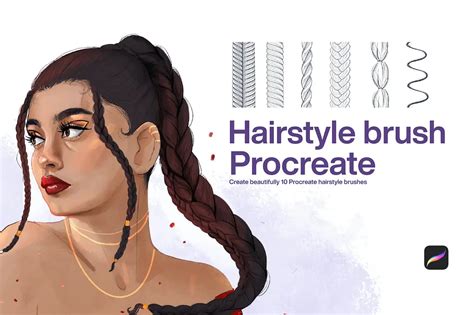
Iva’s class emphasizes designing stylized portrait illustrations with a focus on fun hairstyles. This involves moving beyond a purely realistic representation and embracing creative interpretations. Techniques such as using varied line weights, employing highlights and shadows to define volume, and experimenting with different brush textures can bring hair to life. The use of simple shapes, vibrant colors, and the power of symmetry can be applied here to create eye-catching and unique hair designs.
Balancing proportions is key, even when creating stylized hair. Ensuring that the hairstyle complements the facial structure and doesn't overwhelm the portrait is essential. Think about how the hair frames the face, how it falls around the shoulders, and how it contributes to the overall silhouette of the character.
Adding Personality: Fashionable Accessories and Botanical Details
Beyond the core features and hair, accessories and thematic elements can elevate a character portrait from a simple likeness to a compelling narrative. These details offer a window into the character’s world, their interests, and their personality.
Trendy fashion elements can include anything from statement jewelry and stylish hats to unique clothing designs. These choices should align with the character’s established personality and backstory. For instance, a character who is an artist might wear a paint-splattered apron or have a sketchbook peeking out from their bag, while a musician might sport headphones or a band t-shirt.
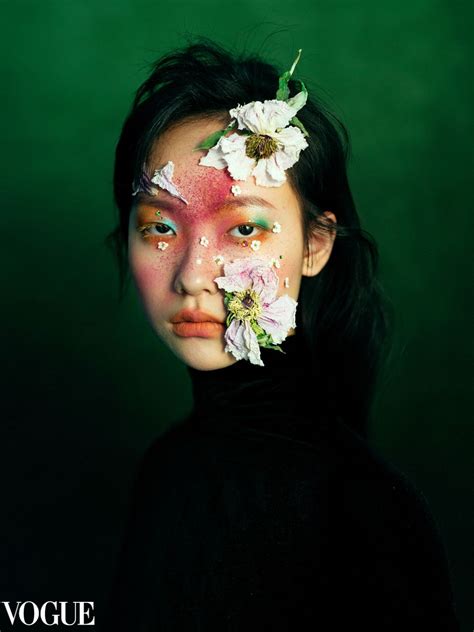
The inclusion of botanical details, as highlighted in Iva’s class, adds a touch of nature and often a sense of organic beauty or even mystery. Flowers, leaves, vines, or even subtle floral patterns can be incorporated into the hair, clothing, or as decorative elements around the portrait. These elements can be rendered with varying degrees of detail, from delicate line work to bold, painterly strokes, depending on the desired aesthetic. The vibrant colors often associated with flowers can also add a lively and engaging dimension to the portrait.
The power of symmetry can be a useful tool when incorporating these elements. For example, a symmetrical arrangement of flowers on either side of the head can create a balanced and aesthetically pleasing composition. However, asymmetrical placement can also be used to create a more dynamic and visually interesting effect.
Leveraging Procreate's Tools for Enhanced Portraiture
Procreate offers a robust suite of tools that are particularly well-suited for character portrait creation. Understanding how to effectively utilize these features can significantly streamline the workflow and enhance the final output.
Brushes: Procreate's extensive brush library is a goldmine for artists. Beyond standard sketching and painting brushes, exploring texture brushes can be invaluable for rendering different hair types, fabric textures, or even subtle skin variations. Experimenting with custom brushes can also lead to unique stylistic outcomes.
Layers: The judicious use of layers is fundamental to a non-destructive workflow. Separate layers for sketching, linework, base colors, shading, highlights, and details allow for easy adjustments and refinements without compromising previous work. For instance, you can adjust the color of the hair or the placement of an accessory simply by selecting and manipulating its corresponding layer.
Color Palettes: Developing a cohesive color palette is crucial for creating a visually appealing portrait. Procreate allows you to save custom palettes, making it easy to maintain consistency across different artworks or to experiment with mood-evoking color schemes. The choice of colors can dramatically influence the viewer's perception of the character - vibrant and saturated colors might suggest energy and playfulness, while muted or darker tones could convey a sense of introspection or mystery.
Adjustment Layers: Procreate’s adjustment layers (like Hue/Saturation, Brightness/Contrast, and Curves) provide powerful, non-destructive ways to fine-tune colors, values, and overall image mood after the initial painting is complete.
How to Procreate Portrait Painting 80mins Read Time Record + Time-lapse
Finding the Right Placement and Balancing Proportions
As mentioned earlier, finding the right placement for facial features is a critical skill that contributes significantly to the believability and expressiveness of a character portrait. This involves not only adhering to general proportional guidelines but also understanding how subtle shifts in placement can alter the character's perceived emotion or personality.
For instance, the distance between the eyes and the eyebrows can influence how surprised or thoughtful a character appears. The curvature of the mouth and its position relative to the nose and chin are key to conveying a smile, a frown, or a neutral expression. Even the tilt of the head and the angle at which the ears are positioned can add a layer of dynamism and personality to the portrait.
Iva’s classes share valuable techniques such as balancing proportions and finding the right placement for facial features. This is where the practical application of the foundational knowledge comes into play. Through practice and observation, artists develop an intuitive understanding of these placements, allowing them to create characters that feel natural and alive. This also involves learning to see beyond the literal and to interpret how features contribute to the overall narrative of the character.
Embracing Stylization and Personal Expression
While technical skill and anatomical understanding are important, the true magic of character portraiture lies in stylization and personal expression. This is where the artist imbues their unique vision into the artwork, moving beyond mere representation to create something truly original.
Stylization can manifest in various ways: exaggerated features, simplified forms, unique color choices, or a distinctive linework style. It's about finding a visual language that best communicates the essence of your character. The freedom to make the portrait your own, by choosing different colors and adding extra details, is paramount. This might involve experimenting with unconventional color palettes, adding symbolic elements, or exaggerating certain features to emphasize personality traits.
The journey of creating character portraits is an ongoing exploration. By combining foundational knowledge with creative experimentation, artists can develop a distinctive style that sets their work apart. The goal is to create character portrait illustrations that not only capture a likeness but also tell a story and evoke an emotional response in the viewer.
The initial learning curve might seem steep, but with clear instructions and a structured approach, as offered in classes like Iva’s, what you created could be so easy. This was a really fun class and I am so proud of my final outcome. The ability to learn how to draw your own character is something many have wanted to learn for a while, and instructors like Iva make this very easy. Their instructions are super clear, and you are able to draw with them whilst picking up tips and skills along the way that can be applied to other artworks in the future. This approach fosters not only the ability to create a specific portrait but also cultivates broader artistic skills and confidence. So, let’s get on this creative adventure together and expand our horizons in the world of awesome character portraits. I can’t wait to see the amazing artworks you’ll create.