Sage green is a muted and earthy shade that combines green with gray undertones. This color sits within the green spectrum on the color wheel. Its subtle, soothing presence is often associated with calmness and restoration. The color sage is comprised of high values of red, green and blue with significant green dominance in RGB color space: 185/255 red (~72% of red), 208/255 green (~81% of green), 170/255 blue (~66% of blue). Sage green is defined by the following color codes and values to ensure consistency across various digital platforms and devices: HEX code: #98A869. In a CMYK color space (also known as process color, or four color, and used in color printing), hex #b2ac88 is made of 0% cyan, 3% magenta, 24% yellow and 30% black. The color Sage green is often represented by the code CMYK(17 0 23 30) which in a general sense, marks the composition proportions of primary colors. Using this code, we should be able to mix Cyan, Magenta, Blue and Black pigments to get the same color depicted here. It is important to understand, that in practice, there is more than one way to mix pigments for Sage green color using 4 color process. That is because CMYK colors don't really have a strict cross reference chart with names attributed to each shade variation. Some CMYK colors are named by various manufacturers and most CMYK color names that we pass around are designated by the general public.
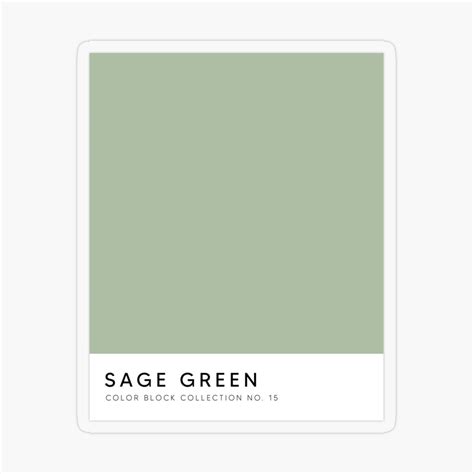
Sage green is an earthy grayish-green color like that of the culinary herb which has woody stems and grayish leaves. The hex code for sage green is #B2AC88. In a RGB color space (made from three colored lights for red, green, and blue), hex #b2ac88 is made of 69.8% red, 67.5% green and 53.3% blue.
Understanding Sage Green's CMYK Composition
The CMYK color model, essential for print design, represents colors as a combination of Cyan, Magenta, Yellow, and Key (Black) inks. For sage green, the CMYK values provide a blueprint for achieving this specific hue on printed materials. While the exact CMYK values can vary slightly depending on the specific ink formulations and printing processes, a common representation for sage green is CMYK(17 0 23 30). This indicates that to produce sage green in print, one would mix approximately 17% cyan, 0% magenta, 23% yellow, and 30% black ink. Another provided approximation for a similar shade of sage green is CMYK(11% of cyan with 18% of yellow and 18% of black), and another is CMYK(17 0 23 30). It's crucial to recognize that CMYK color mixing is not an exact science with universally agreed-upon names for every precise shade. Therefore, while these codes serve as excellent guides, slight adjustments may be necessary to achieve the perfect sage green for a particular project. The inherent nature of CMYK means that achieving a precise match between screen (RGB) and print (CMYK) can present challenges, underscoring the importance of test prints and color calibration.
The Psychology and Symbolism of Sage Green
The word "sage" is defined as a profoundly wise person-someone who is venerated for his wisdom, judgment, and experience. Sage green is, thus, a color that can express wisdom. As a green, it also communicates peace and growth and speaks of ecology and nature. Sage green symbolizes tranquility, wisdom, and a deep connection to nature. Its muted, earthy tone evokes a refreshing calm and sophistication. This color signifies healing, balance, and growth, offering a mature and comforting presence.
In color psychology, green sage can help reduce stress and anxiety by promoting mental and emotional balance. Sage green encourages reflection and renewal, making it perfect for creating relaxing spaces. Its clean look will add a healthy look for your kitchen and bathroom. Not to mention the wise figure you'll pose if you used it in your clothing. In therapeutic settings, sage green helps balance emotions and encourages mindfulness practices.
Historical and Cultural Roots of Sage Green
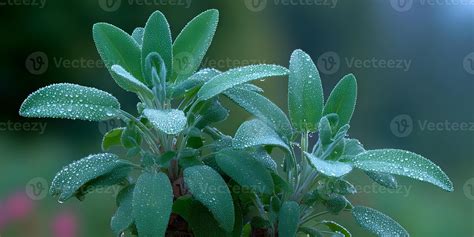
Sage green draws its name from the aromatic herb known for healing and protection, which perfectly reflects the color’s association with calmness and renewal. Sage green comes from the sage plant, known for its medicinal properties and dusty green leaves. Since ancient times, sage has been used in various cultures and is associated with health, healing, protection, and wisdom. In royal symbolism, muted greens like sage signified wisdom and humility, contrasting the brighter jewel tones reserved for power and wealth.
Historically, sage green pigments were derived from mineral and plant sources, giving rise to soft, earthy tones used in classic paintings and textiles. In the 18th and 19th centuries, green sage's popularity grew in art, mirroring society's fascination with botany and the natural world. The Victorian era embraced green sage for home decor, using it in wallpapers and fabrics to bring the tranquility of nature indoors. Its muted tones were considered sophisticated and soothing, making it a versatile design choice.
Sage green's natural, calming qualities ensured its continued relevance in the 20th century. It found a place in the arts and crafts movement and later in mid-century modern design, where it helped create serene and harmonious spaces-a counterpoint to the rapid pace of technological advancements.
Design Applications of Sage Green
Sage green is loved for its versatility, fitting beautifully into minimalist designs as well as bohemian and rustic aesthetics. These combinations offer designers flexibility - from natural and earthy to muted and elegant atmospheres. In Western symbolism, sage green evokes growth, health, and harmony, often used to communicate environmental awareness or spiritual grounding. Creatively, sage green can inspire subtle innovation, supporting thoughtful design without distraction.
Web and UI/UX Design
In UI and UX design, green sage fosters a serene user experience, building trust with its calming effect and enhancing visual appeal. Green sage also pairs well with many colors, fitting modern and rustic design themes. Sage green generally performs well for accessibility, but it’s important to ensure sufficient contrast, especially with text overlays. This makes sage a popular choice for buttons, banners, and icons that invite engagement without overwhelming users.
Here are a few ways to consider using green sage in your designs:
- Create tranquil backdrops and overlays. Green sage as a background creates a serene canvas for users. Layer white text and light icons for optimal readability.
- Design a data dashboard. A muted green sage overlay softens busy information streams, letting users focus on specific data points highlighted with brighter colors.
- Create calming CTAs. Use green sage for "Learn More" buttons that shouldn't compete with a primary call to action.
- Add sophistication with a minimalist touch. Green sage text on a white background adds a subtle touch of color to minimalist interfaces without overwhelming users. Pairing green sage with metallic accents like gold or rose gold buttons or icons creates a high-end aesthetic, particularly for beauty or fashion brands.
Branding and Packaging
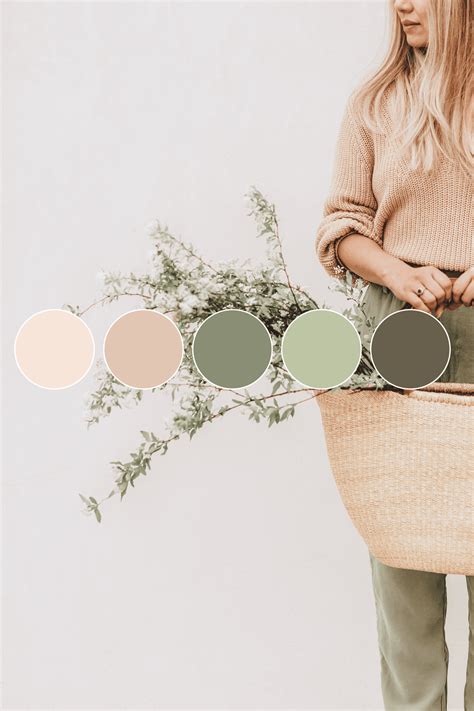
Effective sage green logos often combine the color with clean typography and natural shapes like leaves, branches, or abstract geometric forms. Embrace eco-conscious branding. Green sage is a natural fit for sustainable companies. For a spa-like feel, combine it with light beige. Use burnt orange for a touch of warmth. Packaging in sage green conveys quality and care, ideal for products that emphasize natural ingredients or ethical production. Seasonal branding with sage green is especially effective in spring and autumn campaigns, evoking renewal and harvest.
Interior Design and Decor
Observing sage in your bedroom after a long work day will definitely be a great relieving mechanism to prepare you for a sweet deep sleep. Also, its clean look will add a healthy look for your kitchen and bathroom. Sage green can be seen coloring exteriors for a shiny look that abides with natural views; also being a light green make it usable for creating lighting in plant painting, or places where green mixes with white backgrounds. As wise as a sage, the color can be used in backgrounds almost everywhere, especially in modern decorations.
Color Variations and Harmonies
Related Shades and Tones
For variations within the same muted and natural spectrum as green sage, consider:
- Olive green (#636B2F) shares sage green's earthy quality with a slightly deeper tone, offering a robust and grounded feel reminiscent of natural landscapes.
- Moss green (#8A9A5B) is lighter and carries a bit more yellow, reflecting the softness of moss underfoot in a forest clearing, closely aligning with sage green's soothing presence.
- Seafoam (#8DDCDC) introduces a hint of blue, providing a cooler, more aquatic variation while maintaining sage green's calm and refreshing feel.
- Pistachio (#93C572) is brighter and slightly more vibrant, offering a cheerful and lively alternative that still resonates with sage green's natural essence.
Complementary and Harmonious Colors
To complement sage green's understated tones, consider pairing it with:
- Cream (#FDFBD4) offers a soft and warm contrast, enhancing the natural elegance of sage green with its gentle, inviting glow.
- Dusty rose (#DCA1A1) provides a subtle, romantic touch, pairing beautifully with sage green for delicate, understated elegance.
- Slate gray (#6D8196) introduces a modern, sophisticated edge, grounding the softness of sage green with its stable and contemporary vibe.
- Navy blue (#000080) adds depth and richness, creating a striking contrast that elevates sage green's natural tranquility with a touch of classic elegance.
- Burnt sienna (#ED7B58) offers a warm, earthy contrast, echoing the colors of autumn and enhancing the cozy feel of sage green.
- Purples, golds, and taupes are also colors that sage green goes well with.
- Lavender for a soft, whimsical palette.
- Charcoal for a bold, grounded look.
- Soft yellow for a sunny, cheerful vibe.
Analogous color palettes fit the mood of being tired, stressed and not wanting any disturbance. As sage, alongside other pale greens, will be a peaceful remedy. Other pale cool colors will add enough color variation to give instant mood swing from feeling tired and will be a gateway to comfort. Mid-tone browns can be used as an accent to draw some attention to key figures in your piece without exaggeration.
10 Best Sherwin Williams Sage Green Paint Colors | Interior Design Inspiration
Colors to Avoid with Sage Green
While sage green is versatile, it may clash with:
- Bright yellow (#FFFF00) can be too vibrant, overshadowing the subtlety of sage green and creating a contrast that might feel jarring.
- Blue (#0000FF), with its intensity, can detract from sage green's muted warmth, leading to a stark and unbalanced combination.
- Neon pink (#FF69B4) offers a bold, vivid contrast that may overwhelm sage green's gentle hue, resulting in a palette that feels overly vibrant or discordant.
- Dark purple (#800080), though rich and regal, might compete too much with sage green, overshadowing its natural serenity with a dominating presence.
- Bright red (#FF0000), while a dynamic color, can create a challenging contrast that competes with sage green's calming and grounded nature, potentially leading to a visually uncomfortable mix.
Accessibility Considerations
Accessibility considerations play a crucial role in UX and UI design color choices. Figma offers plugins in the Community to make sure your designs meet Web Content Accessibility Guidelines. For example, the contrast ratio between large text (#98A869) and normal text on a white (#FFFFFF) background is 2.58, which fails accessibility standards for normal text. However, the contrast ratio between large text (#98A869) and normal text on a white (#FFFFFF) background can also be considered as 8.14, indicating a much better contrast for large text elements. When using sage green, especially for text or important UI elements, it is vital to ensure sufficient contrast with the background color to guarantee readability for all users, including those with visual impairments.
Sage Green in Modern Media
Sage green (#9CAF88) brings a grounded, elegant tone to AI-generated videos. When generating headshots using AI headshot generators, sage green works beautifully with warm and neutral lighting. The color's calming and sophisticated nature makes it an excellent choice for creating immersive and visually appealing digital content.
Conclusion
Sage green, with its deep roots in nature and symbolism of wisdom, offers a rich palette for designers across various disciplines. Its versatile nature allows it to blend seamlessly into diverse aesthetics, from minimalist to bohemian. Understanding its CMYK representation is key for print applications, while its psychological impact and historical significance provide a deeper layer of meaning for branding and design choices. By carefully considering its complementary colors and potential clashes, designers can harness the tranquil and sophisticated power of sage green to create compelling and harmonious experiences.