Concrete, a ubiquitous material in construction, is renowned for its durability and versatility. However, over time, even the most robust concrete surfaces can succumb to the ravages of weather, heavy traffic, and everyday wear and tear, manifesting as cracks, stains, and general deterioration. While the prospect of complete concrete replacement often looms as the only solution, it is a process fraught with significant cost, time commitment, and disruption. Fortunately, a more practical and cost-effective alternative exists: textured concrete overlays. These innovative coatings offer a compelling way to revitalize worn or damaged concrete without the need for demolition, breathing new life into floors, patios, walkways, and more.
Understanding Concrete Overlays: A Thin Layer of Innovation
Concrete overlays are essentially thin, polymer-modified cement coatings applied directly over existing concrete surfaces. Their typical thickness ranges from 1/8 inch to 1/4 inch, a seemingly modest profile that belies their impressive performance. This enhanced durability and strength are attributed to the sophisticated blend of polymers and additives incorporated into the cementitious mix. Unlike traditional concrete, which comprises cement, sand, aggregate, and water, overlays include a polymer resin that significantly improves adhesion and overall performance. This composition allows for application in thin layers while maintaining exceptional strength and longevity.
The fundamental concept of concrete overlays is not new to the industry. However, the products available today are considerably more long-lasting and hardier than their predecessors. These overlays serve a dual purpose: they effectively hide blemished concrete and restore walkability, doing so with remarkable efficacy. They represent an exciting opportunity in home improvement, exterior painting, and concrete coatings, allowing homeowners and businesses to upgrade their properties' appearance and functionality without the significant financial outlay and inconvenience associated with replacing existing concrete surfaces.
The Compelling Benefits of Textured Concrete Overlays
The advantages of opting for a textured concrete overlay are manifold, making it a popular choice for both residential and commercial applications.
Aesthetic Enhancement: Beyond Dull and Drab
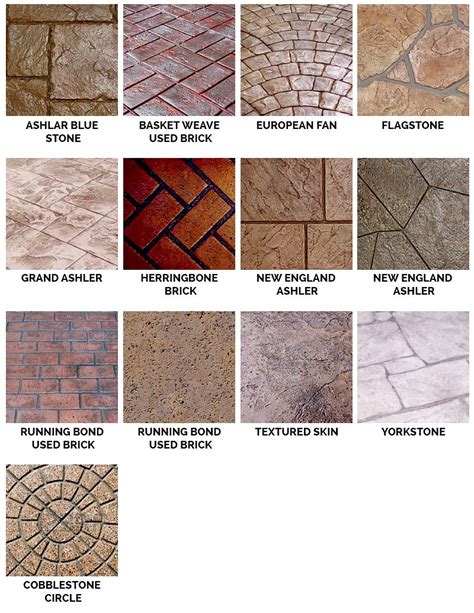
One of the most significant draws of concrete overlays is their ability to dramatically enhance the visual appeal of dull, worn, or damaged concrete surfaces. Gone are the days of drab, uninspired concrete; modern overlays offer a vast spectrum of creative possibilities. With customizable colors, patterns, and finishes, overlays transform plain concrete into a stylish and inviting feature. They can be textured, stamped, stained, or polished to replicate the look of natural stone, elegant ceramic tile, classic brick, trendy hardwood, or virtually any other aesthetic imaginable. This versatility allows for the creation of unique, one-of-a-kind effects, turning concrete surfaces into works of art. Whether aiming for a subtle refresh or a dramatic facelift, overlays provide the means to achieve sophisticated and personalized designs. Some systems can even be rolled onto a textured surface, offering further design flexibility.
Cost-Effectiveness: A Smart Financial Decision
Compared to the arduous process of tearing out and replacing existing concrete, applying an overlay is a far more cost-efficient solution. The latter involves demolition, removal of debris, grading, and re-pouring, all of which contribute to escalating costs and extended project timelines. Overlays, by contrast, work with the concrete that's already in place, significantly reducing labor and material expenses. In many cases, renewing concrete with an overlay can be as little as 10 percent of the cost of replacing the entire surface. This makes them an ideal choice for budget-conscious property owners looking to achieve a significant aesthetic and functional upgrade without breaking the bank.
Durability and Longevity: Building to Last
Beyond aesthetics and cost savings, concrete overlays significantly enhance the durability and longevity of concrete surfaces. The polymer-modified composition makes them more resistant to wear, tear, weathering, and stains. Many overlay systems increase surface durability, making them resistant to traffic, spills, and abrasions, which is particularly beneficial for high-traffic areas like restaurants, retail spaces, and busy household pathways. If resealed regularly, overlays can last as long as 20 years, offering a long-term solution for concrete restoration. Furthermore, some overlay products offer enhanced protection against chemicals and water. For instance, certain polymer formulations utilized in waterproofing products become stronger when submerged.
Repair and Resurfacing: A Seamless Restoration
For concrete surfaces that exhibit cracking, spalling, or other signs of age, overlays provide an effective means to repair and resurface without the need for complete replacement. They act as a restorative layer, effectively bridging minor cracks and imperfections. This repair capability is crucial, as overlays are often employed when concrete has sustained damage. While overlays don't function well when cracked themselves and can expose underlying concrete when damaged, their primary function is to provide a new, robust surface. This is particularly relevant for exterior surfaces that often experience wear due to fluctuating temperatures and environmental conditions.
Quick Installation and Minimal Downtime: Getting Back to Enjoyment Sooner
The process of applying a concrete overlay is generally faster and less disruptive than full demolition and replacement. The preparation of the existing surface is a critical step, involving cleaning, repairing any significant damage, and priming to ensure a solid foundation for the overlay. Once prepared, the overlay can be applied relatively quickly. Many overlay products allow for foot traffic within approximately eight hours of application, and the entire process, including staining and sealing, can often be completed within 2-3 days, followed by a 24-hour curing period before full use. This minimal downtime is a significant advantage, especially for businesses that need to avoid prolonged closures or for homeowners eager to enjoy their revitalized outdoor spaces.
Uncover the Secrets to Perfect Concrete Overlays!
Considerations and Best Practices for Concrete Overlays
While the benefits of concrete overlays are substantial, certain considerations and best practices are essential for a successful and long-lasting outcome.
Surface Preparation is Paramount
The success of any concrete overlay hinges on meticulous surface preparation. This involves thoroughly cleaning the existing concrete, removing any loose or delaminating material, and repairing cracks and holes. A high-pressure washer, often around 3,500 psi, is recommended to remove contaminants like oil and grease that could prevent a permanent bond. Proper grinding, patching, and the application of a bonding agent are crucial to ensure the overlay adheres flawlessly and performs as expected.
Understanding Overlay Limitations
It's important to acknowledge that not all overlays are created equal, and they do have limitations. Overlays do not function well when cracked and can easily expose the underlying concrete when damaged, which can be a challenge when they are typically used on already damaged concrete. Furthermore, overlays offer very little protection against chemicals or heavy impacts, and if a piece breaks off, it is generally gone for good. Touch-ups with an overlay are also difficult, often requiring recoating the entire floor. For this reason, some experts caution that if a concrete coating is applied over an overlay using anything other than a latex or stain, both the coating and the overlay may detach. Overlays are also not recommended for driveways due to the heavy vehicular traffic they endure.
Choosing the Right Overlay Product
The market offers various types of concrete overlays, each designed for specific applications and desired finishes. Some are self-leveling, ideal for creating smooth, uniform surfaces like those used in the lobby of a residential high-rise. Others are designed for stamped applications, featuring larger sands and fibers for added strength, allowing for intricate patterns and textures. Some products are specifically formulated for decorative repairs, available in pigmented options for aesthetic customization. When selecting an overlay, it's crucial to consider the intended use, the desired aesthetic, and the environmental conditions the surface will be exposed to.
Professional Application for Optimal Results
While the application of an overlay might not be considered "rocket science," it does require a significant amount of know-how to achieve optimal results. The expertise of professional concrete restoration specialists is often invaluable. They possess the knowledge and experience to properly prepare the surface, select the appropriate overlay system, and execute the application with precision. This ensures a durable, aesthetically pleasing, and long-lasting finish.
The Future of Concrete Surfaces
Concrete overlays represent a significant advancement in concrete restoration and enhancement. They offer a compelling blend of aesthetics, durability, and cost-effectiveness, providing a viable and attractive alternative to traditional concrete replacement. As technology and material science continue to evolve, we can anticipate even more innovative and high-performing overlay solutions emerging, further solidifying their role in transforming and protecting our built environments. The ability to revitalize existing concrete, reduce waste, and achieve stunning visual results positions textured concrete overlays as a smart, sustainable, and stylish choice for countless applications.